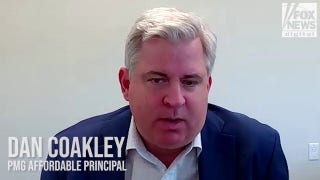
More than 4,000 AI-focused data centers operate in the U.S. today and industry forecasts indicate the count could triple within four years, creating continuous 24/7 power and water demand that researchers warn could raise residential electricity bills by up to 25% in some regions. Large campuses from Meta and Amazon (e.g., Meta’s ~1,000-acre Social Circle site) highlight scale, but long-term local job creation appears limited (roughly 1,500 construction jobs vs. <200 permanent roles), fueling political and regulatory scrutiny that may drive policy and grid-capacity investment decisions; energy-sector winners and utilities face both upside from higher demand and downside from political, water, and permitting risks.
Market structure: The AI-driven buildout creates clear winners—regulated utilities (Duke Energy DUK, Southern Co SO) and power producers that can secure long-term PPAs, plus infrastructure owners/REITs that control scarce grid-connected land (Digital Realty DLR, Equinix EQIX). Losers include unconsolidated local grids facing reserve-margin compression (higher locational wholesale prices) and any tenant-dependent colo providers if hyperscalers continue self-build. Expect upward pressure on regional electricity forwards and natural gas demand into summer/following winter; Carnegie Mellon’s ~25% regional bill impact is a realistic stress-test in constrained markets.
Risk assessment: Tail risks include rapid imposition of moratoria or punitive state/local rate caps (low probability, high impact), major grid outages causing stranded data-center capacity, or federal policy forcing new water/energy taxes on hyperscalers. Immediate (days) risk: news-driven PUC filings or county moratoria; short-term (weeks/months): summer peak and rate-case outcomes; long-term (years): structural shifts in hyperscaler strategy (self-build vs. colo) and generation mix (nuclear/gas additions). Hidden dependencies: transmission build timelines, water rights, and PPA counterparty credit; a single large heat wave or drought can accelerate regulatory backlash.
Trade implications: Near-term, favor regulated utilities and power generators with contracted cash flows (establish 2–3% long DUK/SO across 6–12 months) and add 1–2% exposure to data-center infrastructure owners (DLR/EQIX) via call spreads to capture rental pricing power while capping cost. Hedge political/regulatory tail risk with small protective puts on hyperscalers (AMZN 3-month ~5% OTM, 1% notional) rather than outright short; buy 1–2% natural gas exposure (futures or UNG) for 3–12 months to play tighter generation fuel markets.
Contrarian angles: The consensus that all data-center owners are automatic beneficiaries is incomplete—hyperscalers increasingly self-deploy campuses (Meta/AMZN) which can crowd out colo demand over 2–4 years, creating idiosyncratic downside for some REITs despite short-term power scarcity. Past parallels (crypto mining booms) show localized price spikes followed by moratoria and cap-ex growth collapse; monitor state PUC filings, county moratoria, and hyperscaler capex cadence as leading indicators to fade or add positions.
AI-powered research, real-time alerts, and portfolio analytics for institutional investors.
Request DemoOverall Sentiment
mildly negative
Sentiment Score
-0.28
Ticker Sentiment
