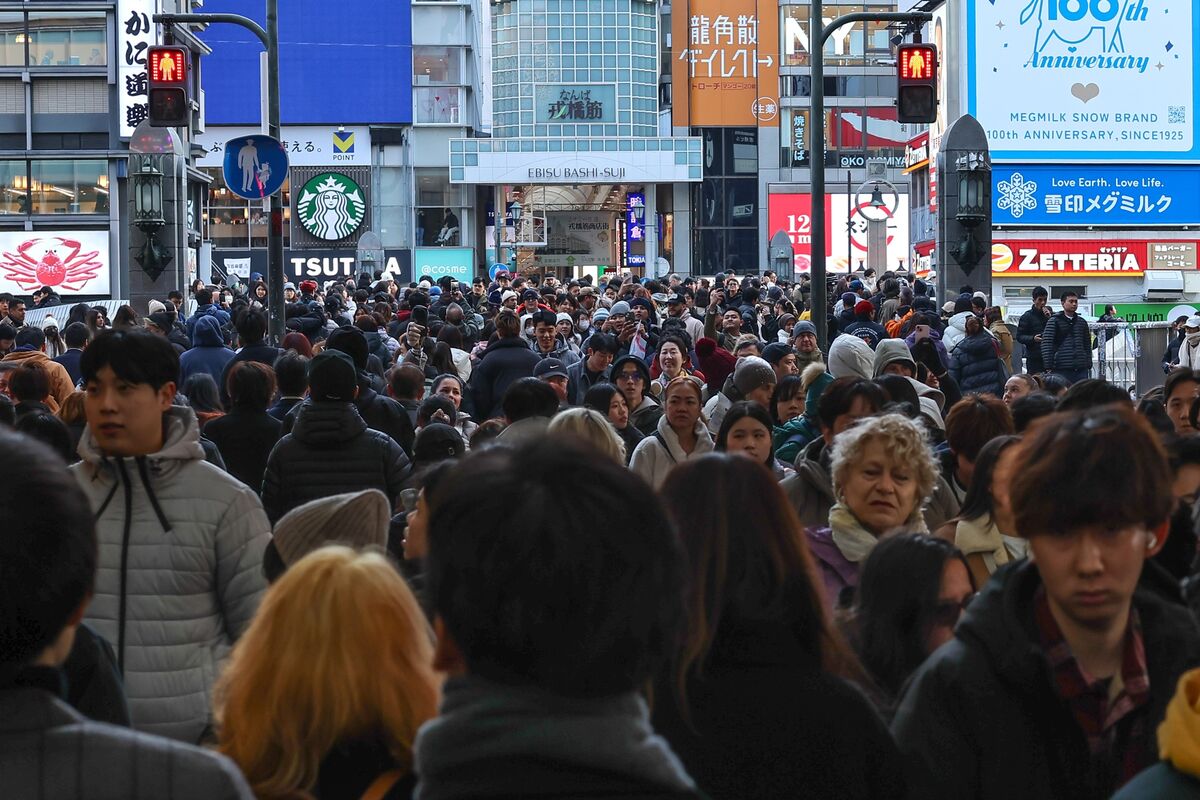
The number of Chinese residents in Japan rose 6.5% year-on-year to 930,428 as of end-December, comprising 22.6% of all foreign residents and remaining the largest foreign group. The increase occurred despite increasingly fractious ties between Japan and China, according to Ministry of Justice data.
Incremental, sustained migration from China into Japan is a demand-shift story with concentrated geographic and sectoral winners — think central-Tokyo rental housing, last-mile logistics, and consumer-facing services that accept Chinese digital payments — rather than a broad macro reflation. With constrained urban housing supply, even a net inflow measured in the low tens of thousands per year can tighten vacancy in target wards and push small-rental yields down while supporting rental-IT/proptech providers over a 6–24 month horizon.
Logistics and cross-border commerce are a second-order beneficiary: more residents from a single foreign market mean steadier flows of small-package inbound imports, higher volumes for parcel carriers, and better unit economics for China-Japan e-commerce links; these benefits show up within quarters and compound over years as incumbent carriers reoptimize capacity. Conversely, politically driven visa freezes or targeted trade frictions are the main fast-acting tail risk — such policy shocks can reverse flows in weeks-to-months and depress near-term demand for neighborhood retail and rental units.
The consensus framing treats this as a geopolitical anomaly; what’s underappreciated is the structural labor arbitrage it creates for services facing chronic worker shortages (elder care, hospitality, restaurant staffing). That makes staffing firms with Japan-focused placement infrastructure and firms that have already integrated Chinese-wallet acceptance into POS systems asymmetric beneficiaries over 12–36 months. Price/rate sensitivity is the key friction: a rising rate or abrupt yen appreciation could cap real estate upside quickly, so exposure should be calibrated with explicit duration and policy-event hedges.
AI-powered research, real-time alerts, and portfolio analytics for institutional investors.
Request DemoOverall Sentiment
neutral
Sentiment Score
0.00
