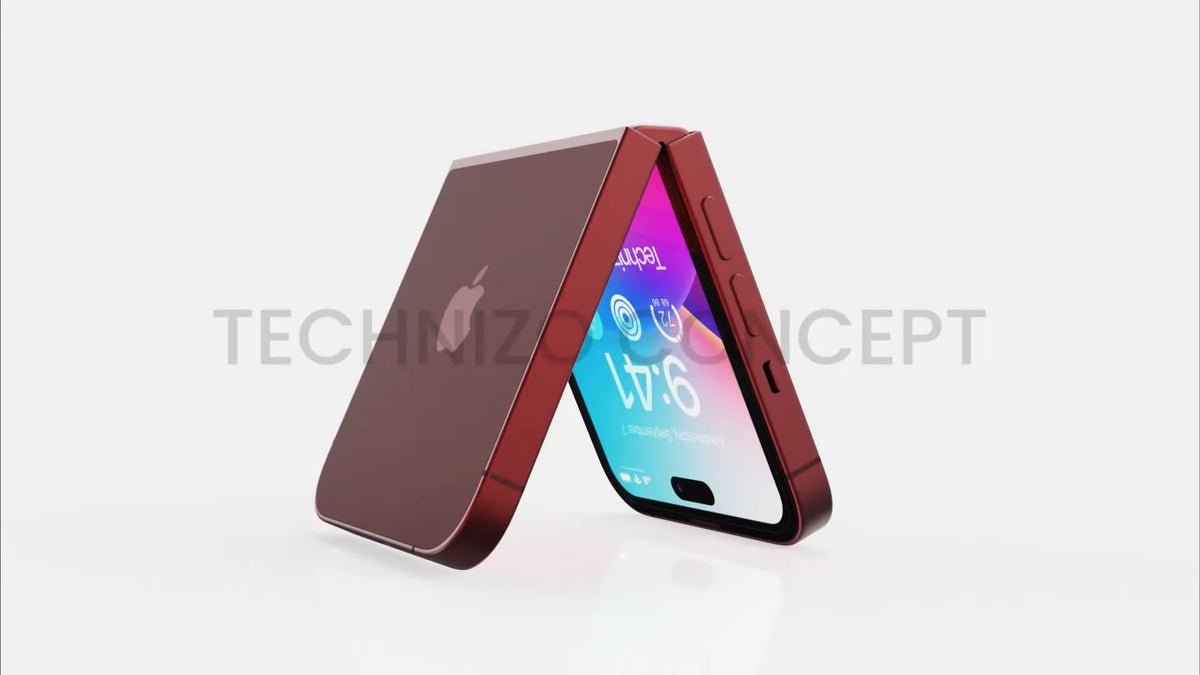
Apple has abandoned or indefinitely postponed development of a clamshell (flip) foldable iPhone, opting to focus on a single premium wide-fold model positioned above the iPhone 18 Pro Max. The decision was driven by internal views that a clamshell design would offer little new functionality while sacrificing battery, display and camera performance, potentially foregoing a lower-end competitor to Samsung's Z Flip line.
A single premium foldable SKU from Apple would concentrate engineering and marketing spend into one high-margin product, raising ASPs and services attach per unit but also increasing exposure to demand elasticity at the high end. For suppliers this creates a classic winner-take-most dynamic: panel and hinge makers who win the design-in will see outsized volume and pricing power, while makers of alternate form factors face stranded capacity and slower secular growth.
Secondary effects on component roadmaps are material — camera module makers and batteries will face tighter spec windows (favoring vendors who can meet high density, low-creep requirements) and likely longer qualification cycles; this raises switching costs and kerb-stomps smaller OEM suppliers over 12–24 months. Repair and aftermarket economics shift too: fewer SKUs simplifies parts inventories for Apple’s service network, meaning higher per-unit repair margins and potentially faster turnaround, supporting higher realized lifetime value per device.
Competitors oriented toward clamshell or mid-tier foldables gain a tactical window to defend market share if Apple avoids that segment, but the long-term prize is the premium use case where Apple’s brand can extract an outsized margin; this creates a bifurcated market where premium foldables drive supplier consolidation while cheaper clamshells remain a volume play for Chinese OEMs. Key catalyst windows are design wins announced at launch and supplier capacity statements in the next 6–9 months; a surprise re-introduction of a clamshell later would be the principal reversal risk.
From a portfolio perspective, this evolution favors owners of Apple’s ecosystem (services, accessories, repair), panel and hinge winners, and entrenched precision optics suppliers — while penalizing niche hinge and small-panel specialists. Monitor supplier order patterns, ASP guidance, and Apple’s trade-in/upgrade incentives over the next two quarters to convert these structural dynamics into tradeable signals.
AI-powered research, real-time alerts, and portfolio analytics for institutional investors.
Request DemoOverall Sentiment
neutral
Sentiment Score
0.00
Ticker Sentiment
