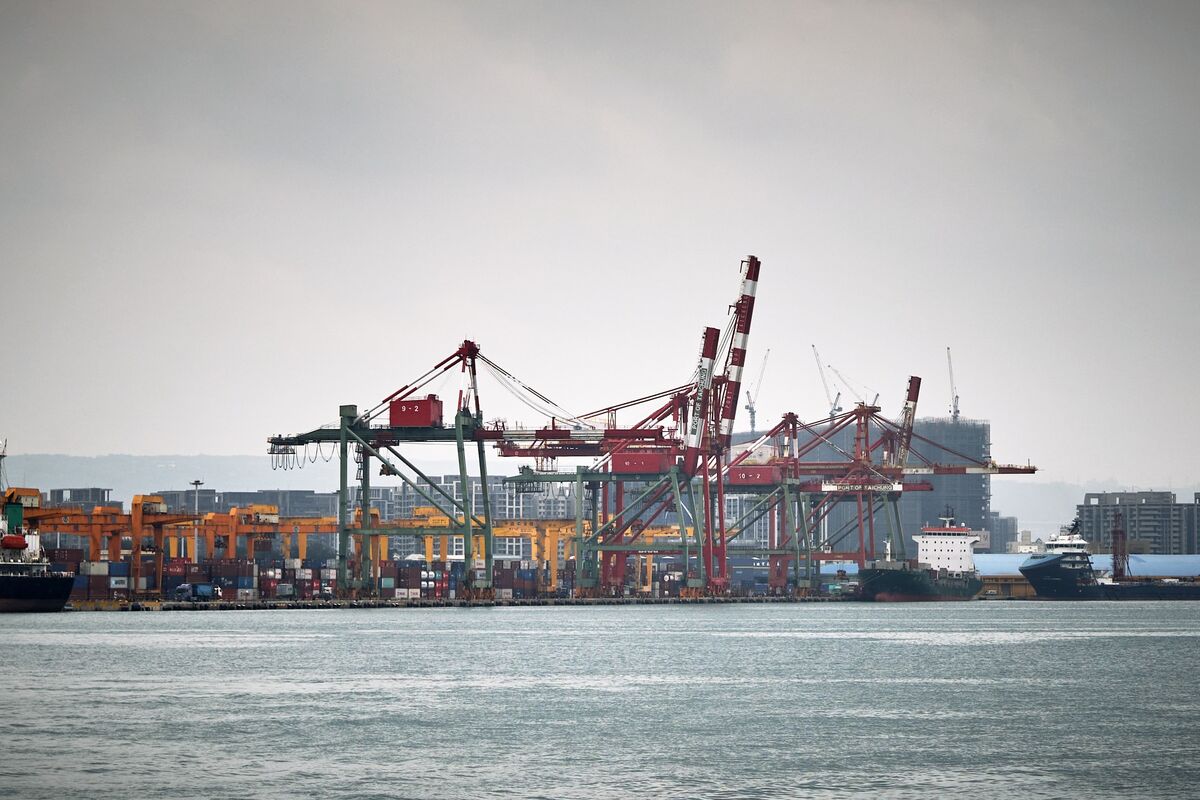
Taiwan and the U.S. are reportedly nearing consensus on a bilateral trade deal, with technical negotiations completed and a joint statement being drafted. Taiwan's Cabinet spokesperson Michelle Lee confirmed progress on key areas including tariffs, non-tariff barriers, trade facilitation, supply chain resilience, and economic security. This development, occurring just ahead of a critical deadline related to former President Trump's tariff policies, signifies potential for enhanced trade relations and reduced friction between the two economies.
Taiwan and the United States are nearing a bilateral trade agreement, having completed technical negotiations and now drafting a joint statement. According to Taiwan's Cabinet spokesperson, a significant degree of consensus has been achieved on critical issues including tariffs, non-tariff trade barriers, trade facilitation, supply chain resilience, and economic security. The timing of this development, occurring just ahead of a deadline related to former President Trump's tariff policies, signals a proactive effort to formalize and strengthen economic ties, potentially reducing trade friction. The focus on supply chain resilience and economic security, in particular, points to a strategic alignment that extends beyond mere trade liberalization, reflecting broader geopolitical considerations and a move towards more stable, secure economic partnerships. The market's strongly positive sentiment and moderate impact score suggest that investors view this progress as a significant de-risking event for bilateral commerce.
AI-powered research, real-time alerts, and portfolio analytics for institutional investors.
Request DemoOverall Sentiment
strongly positive
Sentiment Score
0.65
