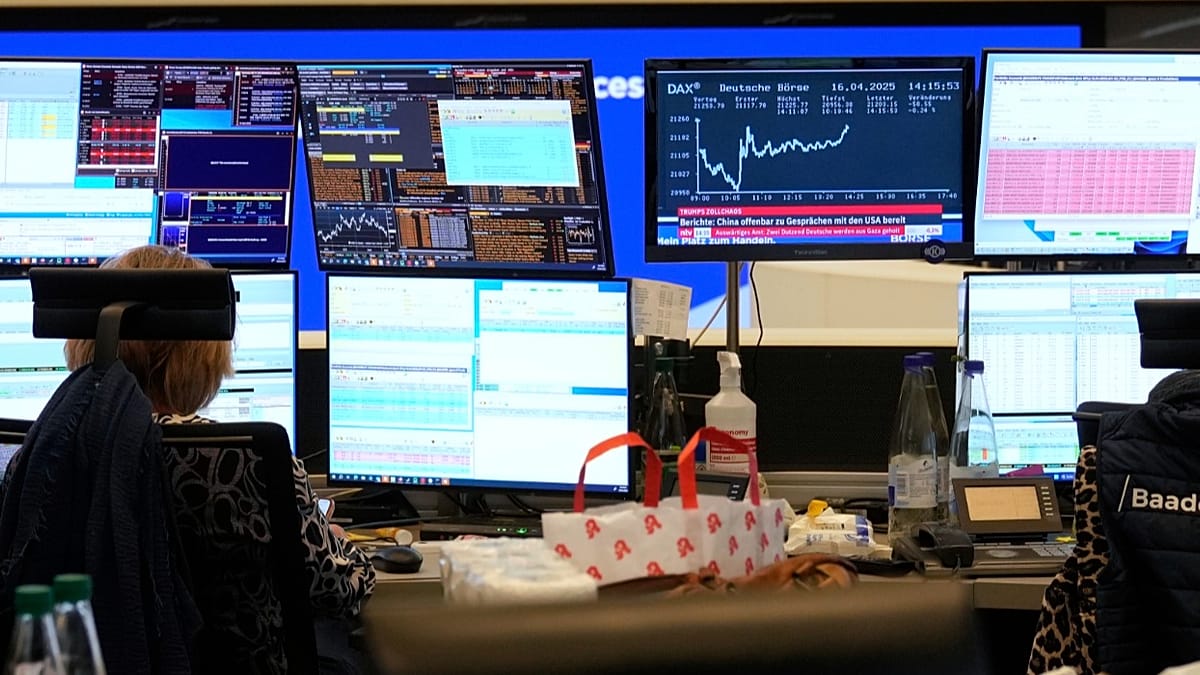
Brent crude topped $116/barrel, up more than 50% since the Iran conflict began (from just over $70/bbl on Feb 28), with US WTI around $101/bbl. Equity markets softened globally: Japan’s Nikkei fell ~4.5% intraday, Hong Kong’s Hang Seng -1.7%, Shanghai -0.7%, and US indices logged steep weekly losses (S&P 500 down 2.1% for the week, Nasdaq 100 down 3.2%), marking a fifth consecutive losing week. European markets opened lower (DAX ~-0.04%, FTSE recovered to +0.59%, CAC +0.05%) as investors priced in higher energy-driven inflation risk and disruption to the Strait of Hormuz after President Trump raised the prospect of seizing Iran’s Kharg Island and US troop presence reportedly rising, prompting an emergency G7 ministerial meeting.
The shock is shifting margins and cash flows within the hydrocarbon complex, not just headline oil revenue. Producers with short-cycle output (US shale, high-grading operators) will convert price spikes to FCF fastest, whereas integrated majors will see slower margin realization because of downstream and capex smoothing; this favors nimble equity exposures and call-skew in shorter-dated options. Refiners and product-heavy midstream have asymmetric outcomes: complex refiners can capture widened diesel/gasoil cracks, but simple converters and coastal bunkering services will suffer rising feedstock transport and insurance costs.
Second-order supply-chain effects create persistent inflationary channels beyond energy: fertilizer producers face margin compression through higher shipping/insurance and feedstock friction, which propagates to agriculture and food processors with a 2–3 quarter lag; container and tanker rerouting increases freight rates and working capital needs for exporters/importers, pressuring EM current accounts. On the market structure front, expected volatility regime change (higher realised and implied vol) will widen risk premia, making delta-hedged directional oil exposure expensive and improving the payoff of event-driven option structures.
Catalysts cluster by horizon: near-term (days–weeks) is geopolitical headlines, strike/blockade events, and ministerial signals (G7/SPR). Medium-term (3–12 months) depends on central bank reactions to commodity-driven inflation and demand destruction from tighter financial conditions. Reversal paths are credible—coordinated SPR releases, insurance normalization, or a material global growth slowdown—but each has distinct timing and magnitudes, so position sizing and option expiry selection should reflect asymmetric catalyst odds rather than directional certainty.
AI-powered research, real-time alerts, and portfolio analytics for institutional investors.
Request DemoOverall Sentiment
strongly negative
Sentiment Score
-0.65
