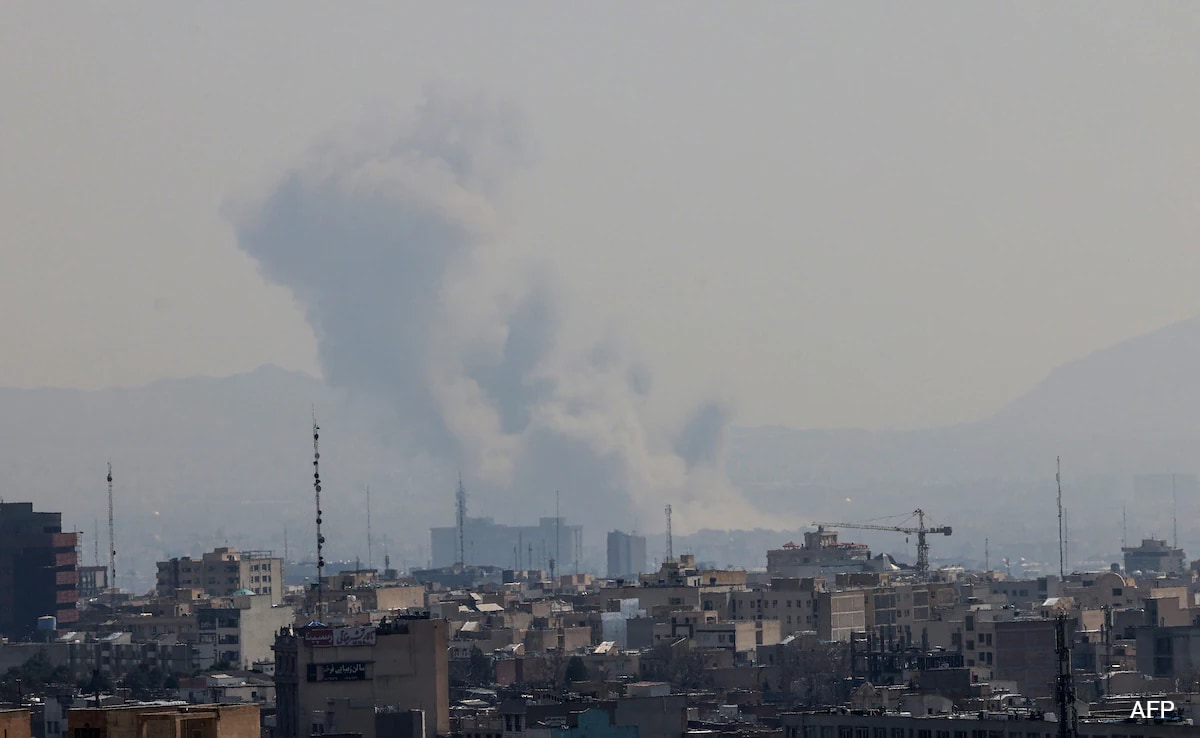
Saudi Arabia reportedly granted US forces access to King Fahd Air Base and the UAE closed Iranian-owned facilities, while videos suggested missiles were launched from Bahrain—moves that signal a potential escalation in the Iran conflict. Crude oil edged higher and US stock futures pared gains on the report, reflecting immediate risk-off positioning; President Trump said he was holding off on attacking Iranian energy infrastructure for five days after 'productive conversations'. These developments raise near-term geopolitical risk to energy supply and regional stability, likely increasing oil-price volatility and weighing on risk assets.
The immediate market reaction is likely to be dominated by a supply‑shock narrative in energy and a parallel jump in regional insurance, freight and counterparty premia. That combination amplifies upstream E&P cashflows (higher realized prices) while creating margin pressure for energy‑intensive industrials and global logistics players via higher fuel, rerouting and security costs; expect a 10–25% swing in EBITDA for exposed operators within 1–3 months if crude moves another $10/bbl.
Defense and security flows are a non‑linear beneficiary: even limited, sustained regional basing/access increases order probability for ISR, logistics and precision‑strike sustainment over a 6–18 month window. Contractors with near‑term program backlogs and exportable kit (European and US primes) can convert geopolitical friction into bookable revenue, but delivery bottlenecks (semis, avionics) create timing risk and concentrated outperformance once awards are announced.
Tail risks are a rapid escalation that triggers choke‑point closures (Strait of Hormuz insurance, tanker reroutes) and a demand destruction shock outside the oil market that compresses risk assets within days; conversely, a credible diplomatic de‑escalation within 2–6 weeks would likely see a sharp mean‑reversion in energy and volatility premia. Watch three catalysts: (1) clear evidence of sustained shipping disruption or insurance rate moves, (2) major defense contract awards or force posture announcements, (3) coordinated diplomatic statement reducing strike probability.
Consensus is pricing a prolonged, high‑probability supply shock; that may be overdone if capacity buffers (SPR releases, non‑Gulf incremental supply) or rapid diplomatic backchannels cap price moves. That framing supports asymmetric short‑dated option structures to capture immediate premia while maintaining a fundamentally cautious medium‑term stance if real escalation does not materialize.
AI-powered research, real-time alerts, and portfolio analytics for institutional investors.
Request DemoOverall Sentiment
strongly negative
Sentiment Score
-0.62
