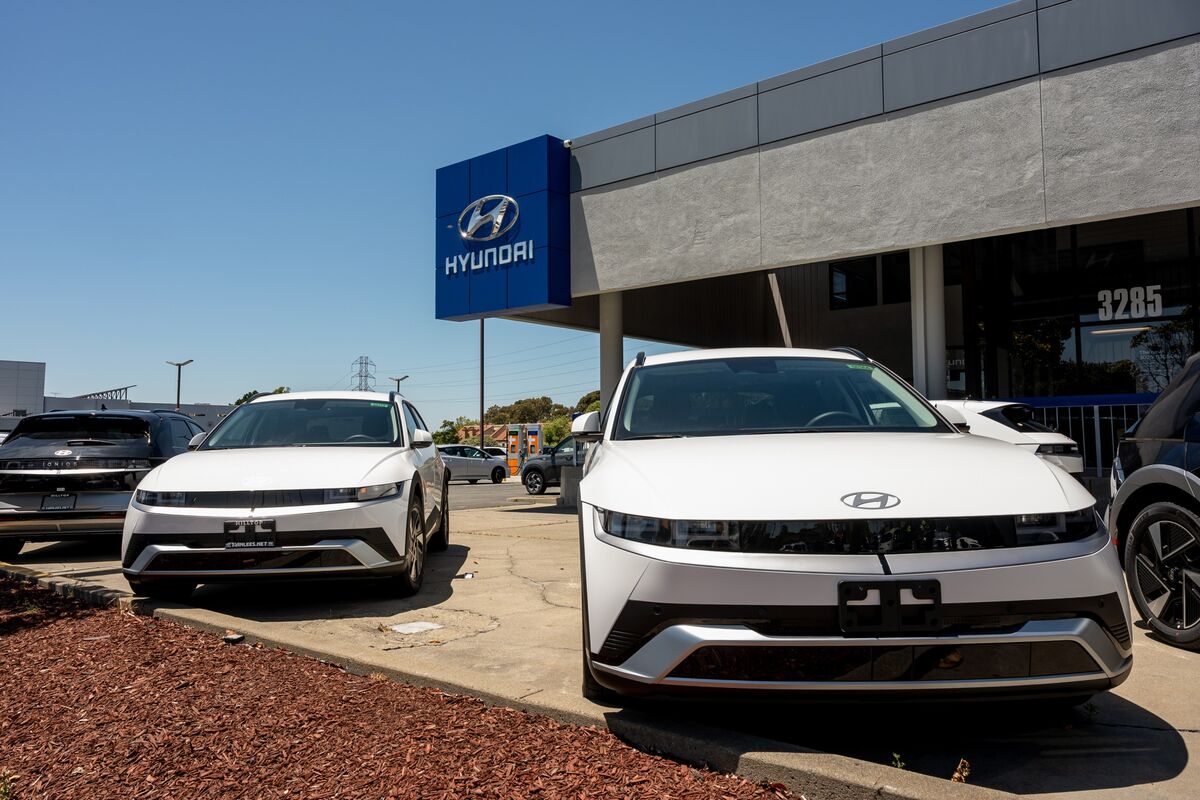
Hyundai Motor Co. reported a $1.3 billion (1.8 trillion won) cost in the third quarter due to US tariffs, but a new trade agreement between Seoul and Washington is expected to provide significant relief. This deal will reduce US duties on South Korean auto imports from 25% to 15% and is part of a broader agreement where South Korea pledges $350 billion in US investments, offering a crucial reprieve for Korean automakers previously heavily impacted by these duties.
Hyundai Motor Co. reported a significant financial impact in Q3, incurring 1.8 trillion won ($1.3 billion) in costs directly attributable to US tariffs. This substantial figure underscores the previous burden on Korean automakers, who had largely operated without such duties on their US shipments, severely affecting their profitability and market positioning.
The recently concluded trade agreement between Seoul and Washington provides a critical operational reprieve, reducing US duties on South Korean auto imports from 25% to 15%. This tariff adjustment is embedded within a larger strategic commitment, with South Korea pledging $350 billion in US investments, signaling a broader de-escalation of trade tensions.
This development is expected to enhance Hyundai's and other South Korean automakers' competitiveness and improve their margin outlook in the crucial US market. The moderately positive sentiment and optimistic tone surrounding this agreement suggest a favorable shift in the regulatory landscape for the automotive sector.
AI-powered research, real-time alerts, and portfolio analytics for institutional investors.
Request DemoOverall Sentiment
moderately positive
Sentiment Score
0.50
