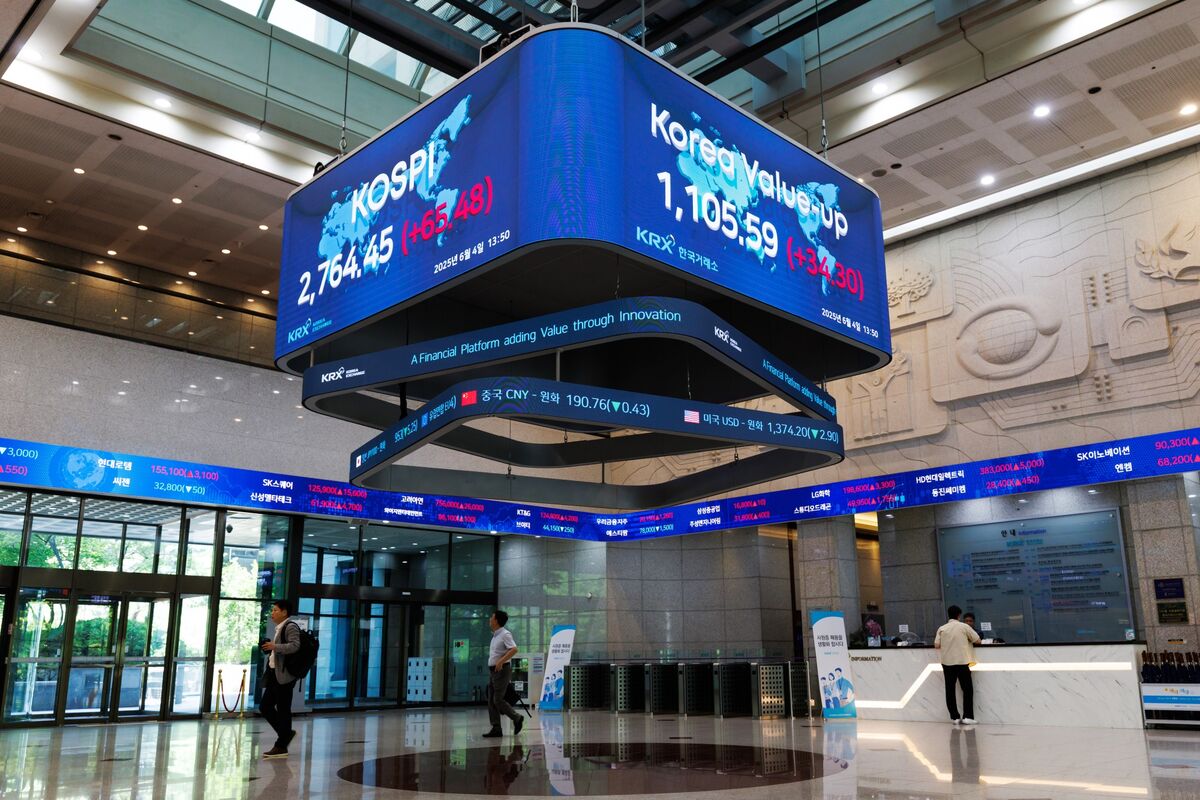
The Korea Stock Exchange is set to launch carbon-emissions futures in 2026, a strategic move to deepen South Korea's carbon market and bolster its national push toward net-zero emissions by 2050. This development, which will introduce contracts tied to the country's allocation units, follows the planned commencement of consignment trading for unused allowances in the second half of this year, providing new financial instruments for managing emission obligations and facilitating price discovery within the nation's evolving climate policy framework.
The Korea Stock Exchange is strategically developing its carbon market infrastructure with a plan to launch carbon-emissions futures in 2026. This initiative is designed to support South Korea's national goal of achieving net-zero emissions by 2050 by creating sophisticated financial instruments for managing carbon price risk. The futures contracts will be tied to the country's carbon allocation units, providing a standardized tool for hedging and price discovery. A crucial preceding step is the introduction of consignment trading for unused allowances in the second half of this year, which will serve to enhance liquidity and establish a foundational price discovery mechanism before the derivatives market goes live. The development is viewed with moderate optimism, reflecting its potential to create a more efficient and mature carbon market, although its low immediate market impact score suggests the full effects are not expected until closer to the 2026 launch.
AI-powered research, real-time alerts, and portfolio analytics for institutional investors.
Request DemoOverall Sentiment
moderately positive
Sentiment Score
0.55
