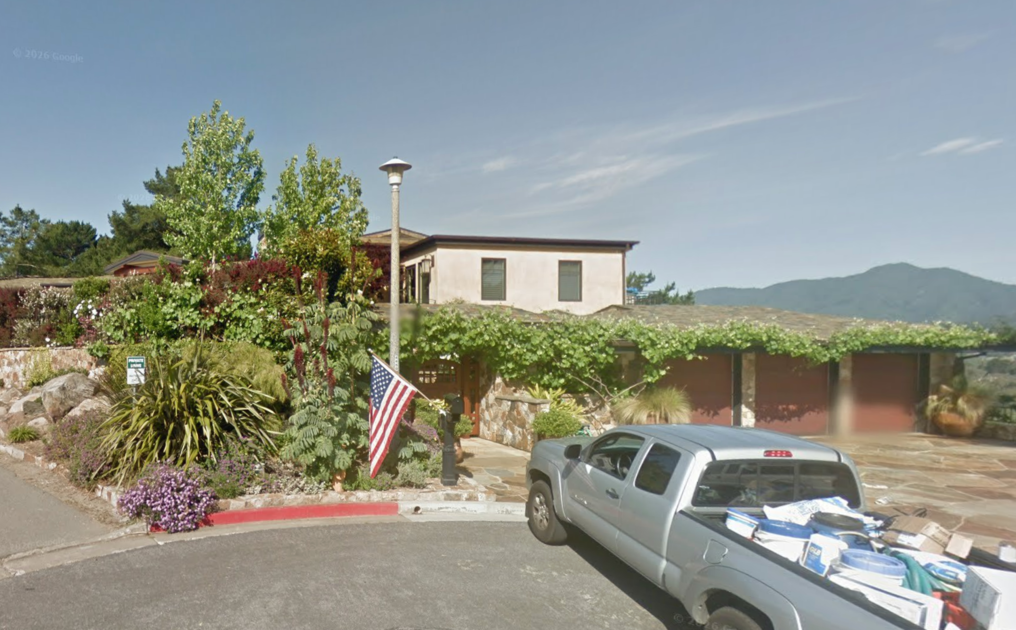
A Bay Area homeowner is offering a 14-acre Mill Valley estate in exchange for Anthropic equity, basing valuation expectations on recent rounds that value Anthropic at about $800 billion. The deal is highly unconventional and private, with Duncan offering to cover closing costs and structure it to let a shareholder retain some stock upside. It is an anecdotal real-estate-for-equity proposal rather than a transaction with clear market-moving implications.
This is not a real estate story so much as a signaling event for how irrationally valuable private AI equity has become relative to liquid assets. If a wealthy holder is publicly offering hard assets for a pre-IPO stake, it reinforces that secondary demand for frontier AI shares is outstripping available supply, which can support later-stage private pricing and keep employee tender offers expensive. The second-order effect is on compensation design: if employees internalize that their stock is a superior store of value versus local housing, retention improves and near-term dilution pressure rises as companies lean harder on equity to preserve cash.
The more interesting implication is for financing innovation. A market that starts pricing homes against illiquid AI paper creates a niche for private-credit structures, bespoke escrow, and collateralized-share lending; that is favorable to platforms and lenders that can underwrite concentrated employee stock positions without forcing taxable sales. It also increases the odds of a wealth-creation loop in which Bay Area housing becomes a quasi-derivative on private tech valuations, making affordability even less tied to wages and more tied to liquidity access.
Near term, this is mostly a sentiment catalyst, not a fundamental one, but it can matter over months if enough similar transactions emerge. The tail risk is a private-market reset: if late-stage AI marks compress or a major secondary window clears at a discount, the perceived “house-for-AI-equity” equivalence breaks quickly and these offers become a novelty rather than a trend. The contrarian read is that the headline is less about froth and more about a rational attempt to arbitrage tax, liquidity, and concentration risk — the market may be underestimating how much private wealth is now trying to de-risk without cashing out.
AI-powered research, real-time alerts, and portfolio analytics for institutional investors.
Request TrialOverall Sentiment
neutral
Sentiment Score
0.05
Ticker Sentiment
