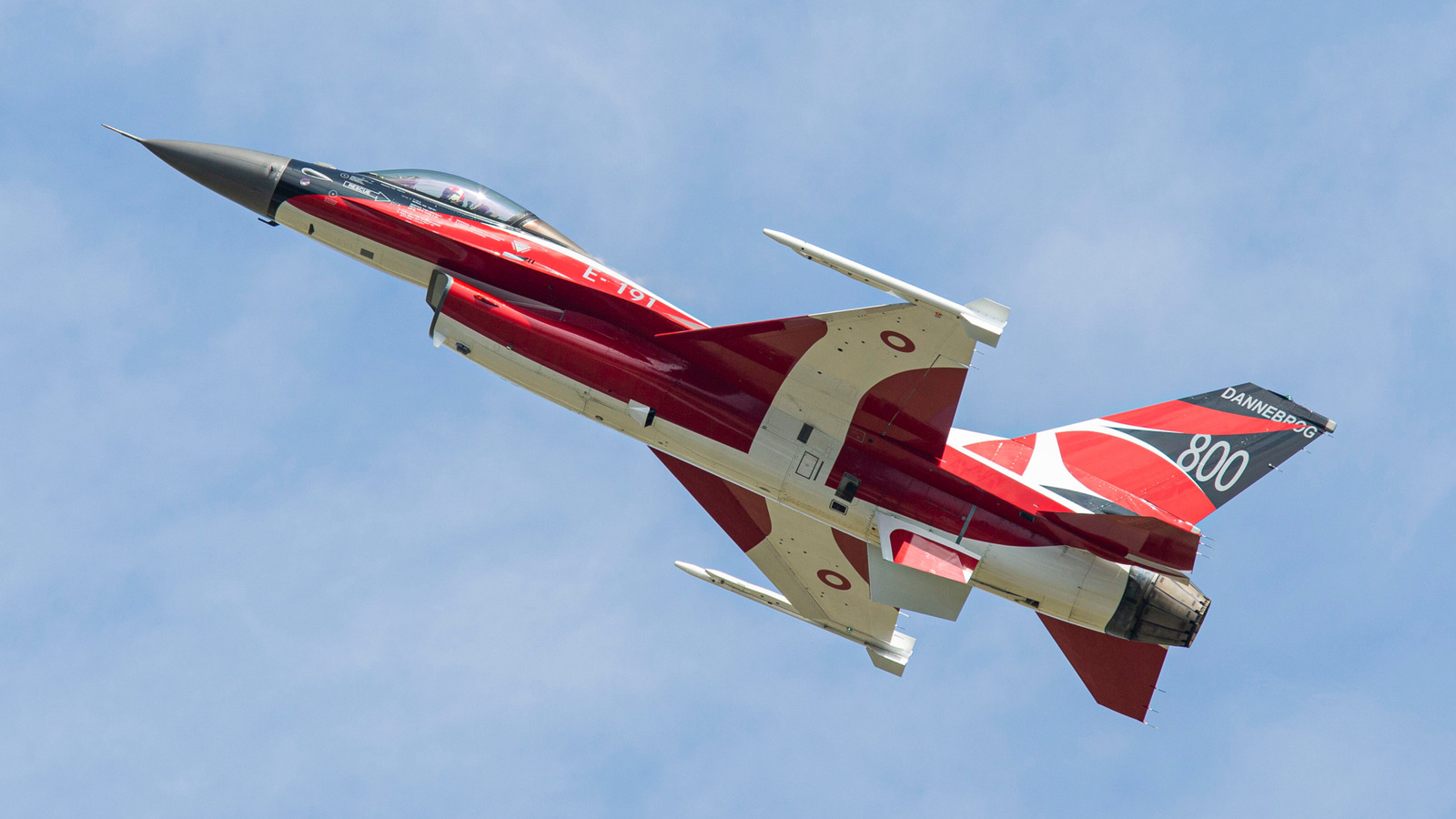
Denmark retired its 46-year F-16 fleet on January 18, 2026, after acquiring 77 F-16s since 1980 and has transitioned to a full fleet of 43 F-35A Lightning IIs (27 ordered in 2016 plus 16 added in 2025), with the F-35s taking over NATO QRA duties on April 1, 2025. Copenhagen will donate 19 F-16s to Ukraine (first deliveries August 2024) and sell 24 to Argentina (first six delivered in December, remainder through 2028) in deals requiring U.S. export approvals and including training, parts and simulators; production delays in the F-35 program slowed the replacement timeline. The shifts reinforce European fifth-generation air capabilities and create follow-on support and training contracts, while having limited immediate market-moving implications for broad equity markets.
Market structure: The Danish fleet retirement accelerates steady multi-year demand for F‑35 production and sustainment, consolidating pricing power with primes (Lockheed Martin LMT, Northrop NOC, RTX for engines). Expect incremental sustainment/MRO revenue of roughly $0.5–1.5bn p.a. to prime contractors globally over the next 3–5 years as more NATO air forces fully transition; small legacy MRO vendors face margin compression. Secondary beneficiaries include simulator/training vendors and materials suppliers (titanium, specialty alloys, avionics semiconductors) with 1–3% upward price pressure over 12–24 months.
Risks: Tail risks include US export-control reversals (could block Argentina/Ukraine flows), program software/cyber grounding of F‑35, or major production cost overruns — each could knock 10–25% off forward defense contractor multiples in stress scenarios. Timeline: immediate market reaction is muted (days), tender/contract news drives moves in weeks–months (±5–15%), while sustainment cashflows crystallize over quarters–years. Hidden dependencies: DoD budget cycles, NATO procurement timetables, and semiconductor supply constraints are critical second‑order drivers.
Trade implications: Favor primes with F‑35 content: establish a 2–3% long in LMT and a 1–2% long in RTX over 1–3 months; hedge with a 0.5% short position in a small‑cap defense MRO ETF/basket. Options: buy 12–18 month LMT LEAPS 10% OTM (limit size 0.5–1% portfolio risk) or sell 6‑month puts 5% OTM to generate yield if comfortable with assignment. Rotate 2–4% from general Industrials into Defense and Materials over the next quarter.
Contrarian view: The market may be under‑pricing export/regulatory risk and over‑rewarding primes — upside from Denmark is incremental not transformational. Historical parallels (F‑16→F‑35 transitions in Norway/Netherlands) show sustainment upside but muted multiple expansion; if LMT outperforms >15% in 3 months, trim to lock a 6–8% contribution. Unintended risk: flooded secondary markets for used F‑16s could depress aftermarket pricing for legacy suppliers — size small‑cap exposures accordingly.
AI-powered research, real-time alerts, and portfolio analytics for institutional investors.
Request DemoOverall Sentiment
mildly positive
Sentiment Score
0.25
Ticker Sentiment
