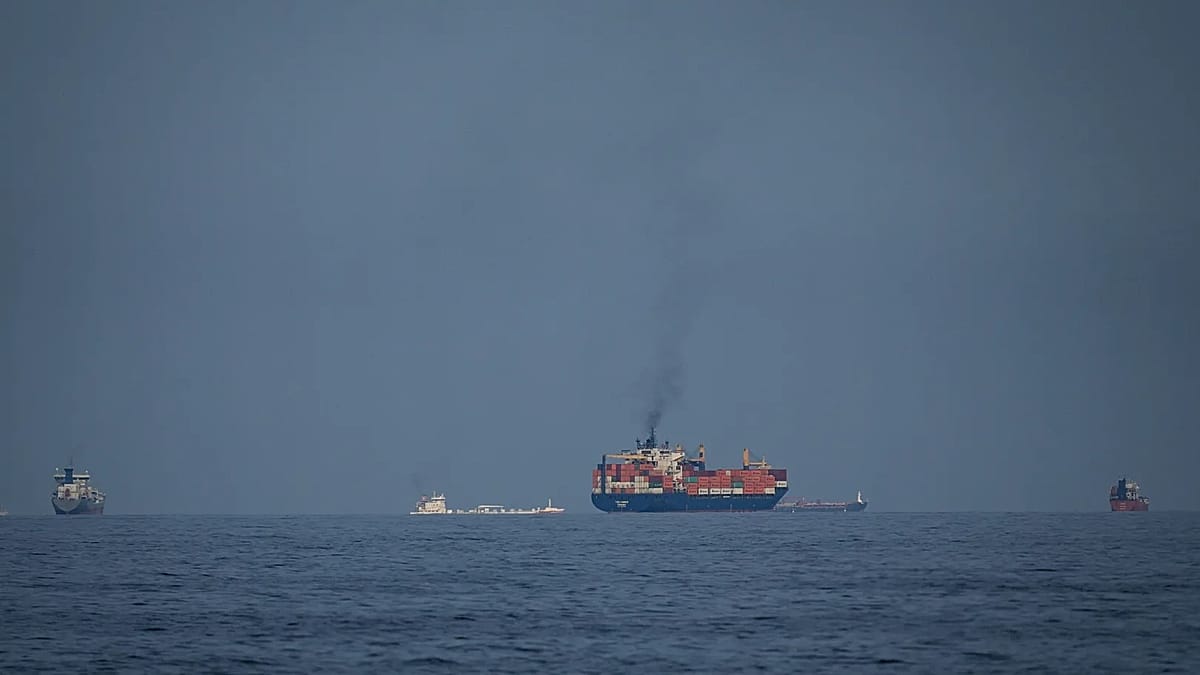
Two Iranian nuclear facilities (Shahid Khondab in Arak and the Ardakan yellowcake plant in Yazd) were struck in attacks Israel claimed responsibility for, while Iran agreed to facilitate humanitarian and agricultural shipments through the Strait of Hormuz. The concession could partially ease a month-long shipping chokepoint that has threatened oil/gas flows and fertiliser exports, raising global food-security risks; the IAEA reported no increase in off-site radiation. The US has repositioned roughly 2,500 Marines to the region and ordered at least 1,000 paratroopers from the 82nd Airborne to the Middle East, elevating escalation risk and prompting diplomatic efforts — a material, risk-off development for energy and agricultural commodity markets.
The immediate market implication is not just oil flow risk but asymmetric non-oil bottlenecks — fertiliser and grain logistics are lower-volume but higher-elasticity chokepoints that can re-price crop economics within a single planting season. A 10–20% rise in urea/ammonia freight or insurance premia feeding into export delays typically pushes regional fertiliser spot premiums up 15–30% within 30–90 days, which in turn increases farmer input costs and reduces planted acres where margins are tight.
Maritime risk re-pricing is the primary transmission mechanism: war-risk insurance loads, detour fuel burn, and owner/operator risk aversion compound to lift tanker and dry-bulk time-charter rates disproportionately to crude price moves. That creates a bifurcated opportunity set — shipping owners with modern, fuel-efficient fleets see immediate P&L upside while commodity consumers and integrated logistics players see compressed margins and higher working capital needs.
Tail risks concentrate around three catalysts and horizons: a kinetic escalation (days–weeks) that spikes premiums and triggers container/tanker diversions, sustained sanctions/insurer pullback (1–6 months) that forces longer routing and structural rate elevation, and a diplomatic de-escalation (weeks–months) that could collapse spikes rapidly. Macro reversals are most likely via credible third-party guarantees for commercial transit or a negotiated corridor backed by naval escorts, which would deflate premiums faster than cargo owners can reprice contracts.
The consensus is overweight energy-defence and tanker plays; what’s missed is the speed of second-order pass-through into agricultural P&L and balance sheets of grain export terminals. If fertiliser spreads widen, names exposed to seasonal working capital (ag traders, regional ports) will see stress well before energy majors re-rate, creating opportunities for short-duration credit trades and long fertilizer equities ahead of consensus.
AI-powered research, real-time alerts, and portfolio analytics for institutional investors.
Request DemoOverall Sentiment
strongly negative
Sentiment Score
-0.65
