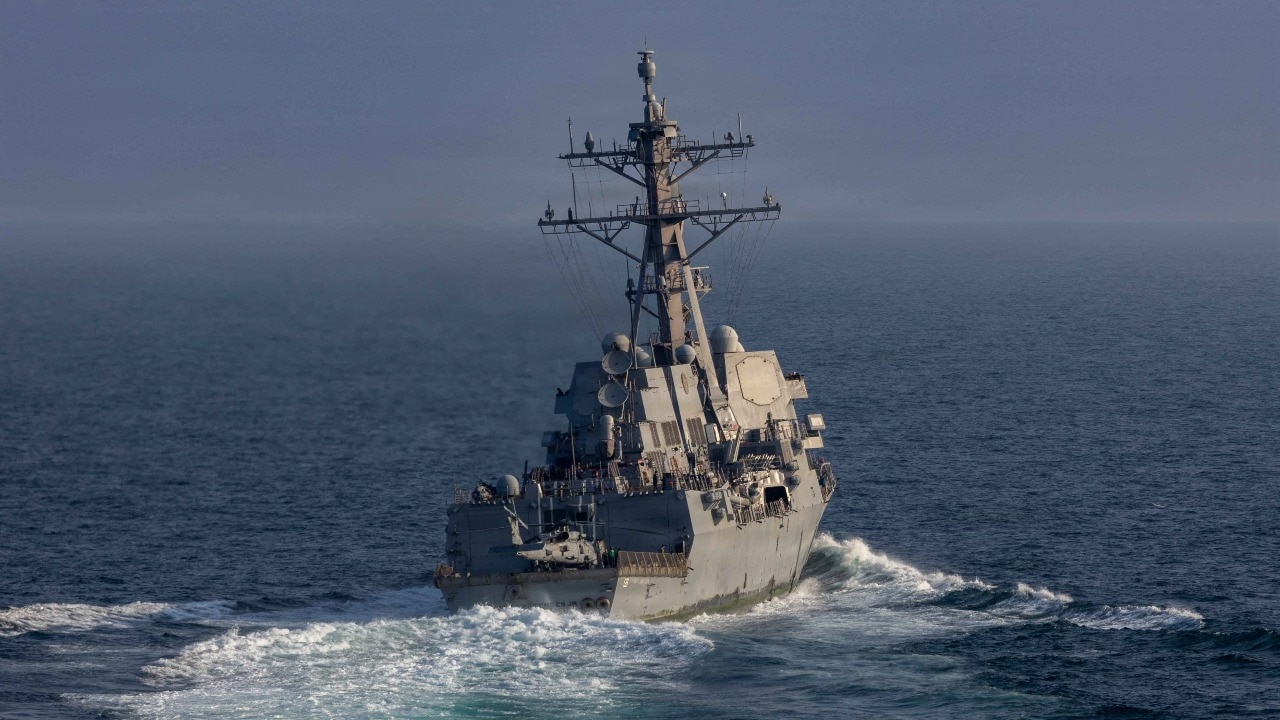
Two US Navy destroyers transited the Strait of Hormuz, triggering a direct Iranian challenge and underscoring renewed risk around a chokepoint handling about 20% of global crude flows. CENTCOM said it is beginning efforts to reopen the strait to commerce, including mine-clearing operations with underwater drones, while Tehran’s reported mine-laying and coordination demands keep shipping disruption risks elevated. The failed Islamabad talks and breakdown in ceasefire diplomacy add to the odds of continued volatility in energy and freight markets.
The market should treat this less as a one-off headline and more as a test of who controls the marginal barrel’s route-to-market. Even a partial loss of confidence in Hormuz forces buyers to price in longer voyage times, higher insurance, and larger working-capital buffers, which effectively tightens supply before physical barrels are even disrupted. That matters most for Asia-linked refiners, LNG shipping, and any industrial supply chain with just-in-time inventory exposure to Gulf feedstocks.
The second-order winner is not just upstream energy, but volatility itself: tanker rates, marine insurance, and defense-electronics names can rerate faster than crude if operators conclude reopening will be slow or politically fragile. The more durable loser is high-multiple downstream consumers of energy and freight—chemicals, airlines, trucking, and import-heavy retailers—because a toll regime or rerouted shipping raises input costs without necessarily creating much end-demand elasticity in the first few weeks. In other words, the first trade is not just on Brent; it is on margin compression across transport-intensive sectors.
The key catalyst window is days to 2-3 weeks, not quarters: if clearance assets fail to produce a clean corridor quickly, the market will move from geopolitics to logistics math. Conversely, any credible third-party verification of safe passage could sharply compress the risk premium, especially if no mine strike or casualty occurs. The underappreciated contrarian point is that a failed blockade attempt can still be bullish for risk assets if it proves the chokepoint can be policed and the headline premium fades faster than physical tightness builds.
AI-powered research, real-time alerts, and portfolio analytics for institutional investors.
Request DemoOverall Sentiment
strongly negative
Sentiment Score
-0.55
