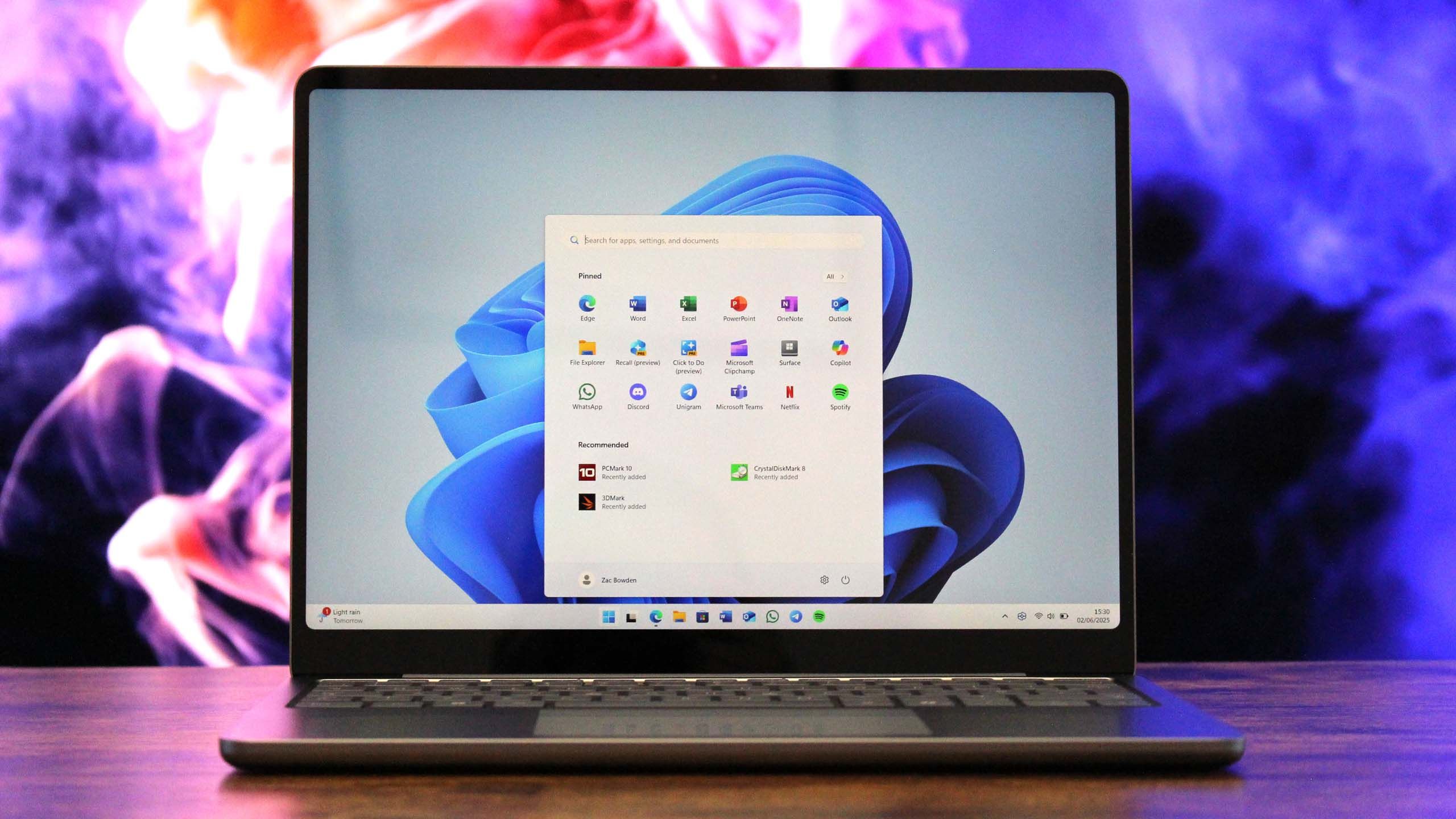
Windows marks its 40th anniversary and still runs on roughly 1.4 billion devices, but the platform faces structural challenges as consumer usage has slipped over the past decade — schools and mainstream buyers increasingly choose ChromeOS, iPadOS or Macs (accelerated by Apple Silicon) — while Microsoft has repeatedly retreated from bold re‑designs (Windows 8 backlash, cancellation of Windows 10X/Surface Neo). The company’s current approach—iterating on legacy Windows and grafting agentic AI into Windows 11—has drawn backlash and risks accelerating consumer attrition even if enterprise and cloud deployments preserve some franchise value. For investors, the takeaways are clear: Windows remains strategically important and monetizable in enterprise and gaming, but Microsoft needs a cleaner, AI‑native or modernized OS and to address legacy bloat and update reliability to avoid longer‑term market‑share erosion to Apple, Google and alternative platforms like SteamOS.
Windows marks its 40th anniversary (original launch November 20, 1985) and today reportedly powers over 1.4 billion devices, yet the article documents flat architectural continuity—UI fundamentals dating back to Windows 95—that limits product differentiation in modern form factors. The author highlights that major UX pivots have failed or been abandoned (Windows 8 backlash, cancellation of Windows 10X/Surface Neo) and that Windows 11 is largely an iterative continuation rather than a platform reinvention.
The piece documents measurable headwinds: declining consumer usage over the last decade, education customers migrating to ChromeOS and iPad, and renewed Mac momentum following Apple Silicon (M1), all of which compress Windows' long-term consumer addressable market. Microsoft’s current strategy of grafting “agentic” AI into Windows 11 has provoked backlash and negative sentiment (sentiment_score −0.45), creating strategic risk that could accelerate consumer attrition even if enterprise and cloud deployments preserve franchise monetization.
Competitive threats include gaming shifts toward SteamOS and potential AI-native device categories that may bypass Windows; the market_impact_score (0.28) implies these are strategic, medium-term risks rather than immediate liquidity shocks, making product modernization and clear AI execution the critical determinants of Windows’ future value.
AI-powered research, real-time alerts, and portfolio analytics for institutional investors.
Request DemoOverall Sentiment
moderately negative
Sentiment Score
-0.45
