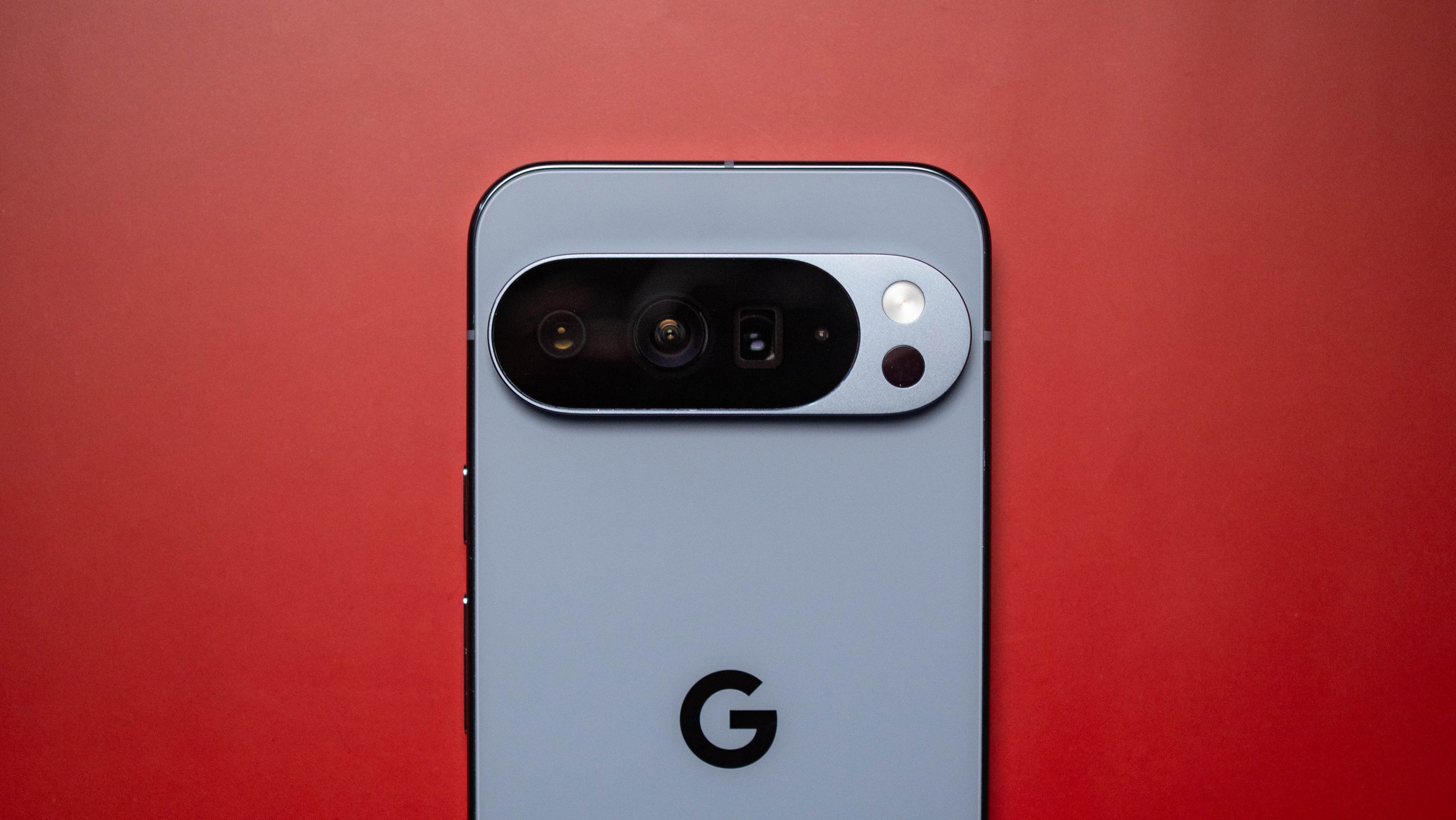
Google issued its January 2026 security patch (vBP4A.260105.004.E1) for Pixel devices from the Pixel 7a through the Pixel 10 series, implementing "general improvements for GPU performance" and fixes for AOD flicker, touchscreen unresponsiveness, battery drain, noisy line flashes in Adobe Lightroom, Webex ringback tone issues, and a Wallpaper app crash related to Live Universe wallpapers. The update aims to resolve persistent GPU and display problems that have affected Pixel 10 user experience since October, but the fixes are operational in nature and unlikely to have a material impact on Alphabet’s financials or investor positioning.
Market structure: The January patch reduces immediate product-risk for Alphabet’s (GOOGL/GOOG) Pixel line but does not erase reputational damage; expect at most a modest 1–3% hit to unit demand for Pixel over the next 2 quarters if user reviews and returns remain elevated. Competitors (Apple, Samsung) stand to pick up share in premium segments; pricing power for Google hardware remains weak, so any prolonged quality narrative will pressure gross margins in devices while leaving ad/cloud revenue largely intact.
Risk assessment: Tail risks include a warranty/recall event or a formal carrier pushback that could remove the handset from channels (low probability, ~5–10%, high impact — 5–15% downside to hardware revenue over 4 quarters). In the near term (days–weeks) the main risks are sentiment-driven share moves and analyst downgrades; medium term (3–12 months) risks center on Tensor G5 perception affecting future SoC investments and partner decisions. Hidden dependency: accelerated fixes mask systemic SoC performance gaps which could force Google to outsource future silicon, increasing COGS by an estimated mid-single-digit percentage over multiple years.
Trade implications: Tactical strategy is to protect exposure to GOOG hardware weakness while keeping core exposure to its ad/AI franchise. Implement a cost-limited hedge: allocate 1–2% portfolio to a 3-month bear-put spread on GOOGL (buy 1 3M 5% OTM put, sell 1 3M 10% OTM put) sized to cover hardware-risk; if GOOG falls >6% within 30 trading days, add a second tranche. Avoid directional ADBE trades — impact is immaterial absent measurable mobile-revenue acceleration (>5 ppt QoQ).
Contrarian angle: The market likely overreacts to handset bugs because hardware is a modest share of Alphabet revenue (<10%), creating a buying window if sentiment overshoots. Historical parallel: short-term recalls/bugs (e.g., smartphone antenna/thermal scares) caused 5–12% knee-jerk selloffs but no long-term impairment to diversified platform leaders. Unintended consequence to watch: aggressive cost-cutting in silicon R&D could boost margins short-term but raise strategic dependency on third-party SoC suppliers and compress long-term competitive differentiation.
AI-powered research, real-time alerts, and portfolio analytics for institutional investors.
Request DemoOverall Sentiment
neutral
Sentiment Score
0.05
Ticker Sentiment
