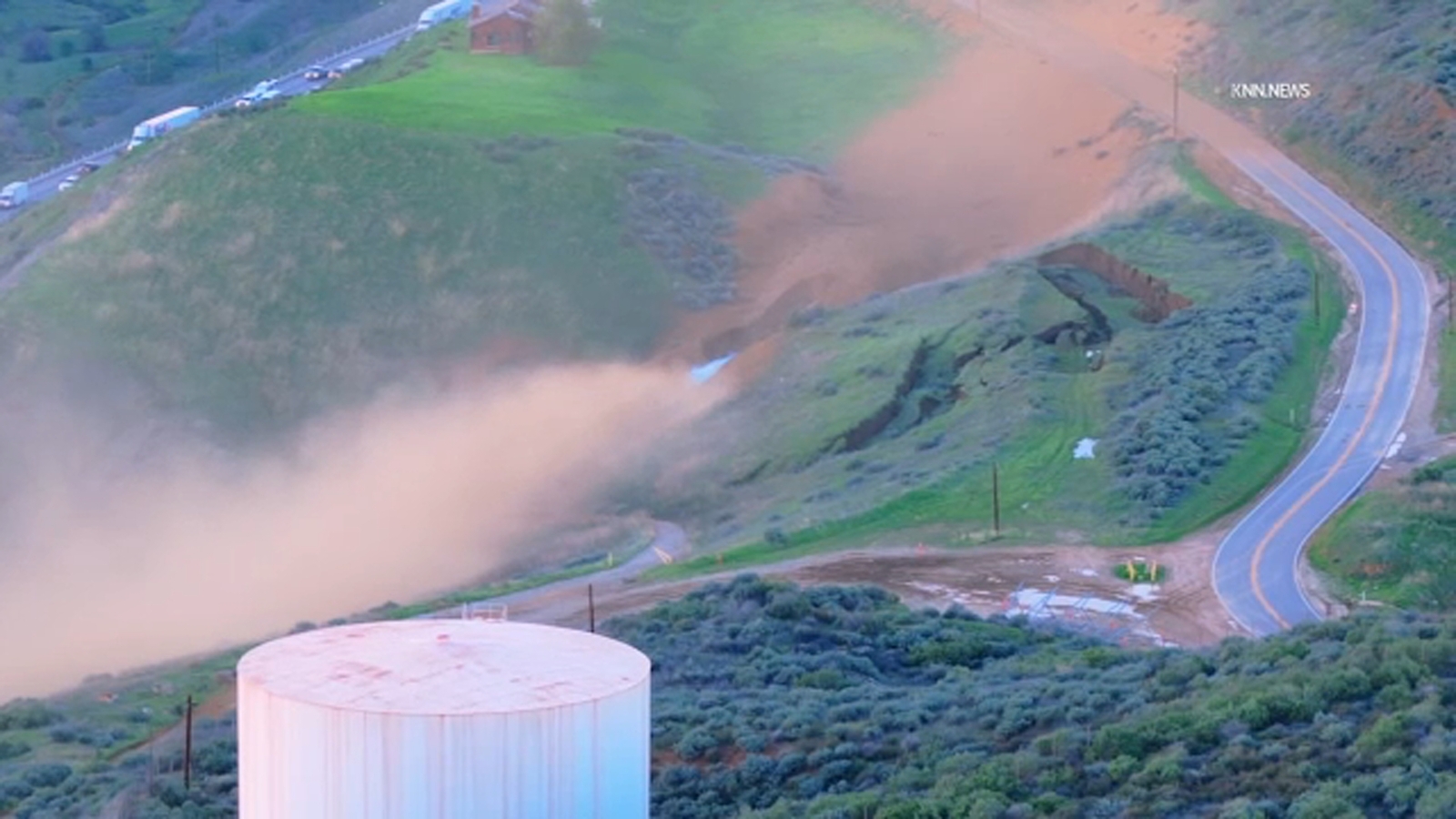
A 34-inch SoCalGas transmission pipeline leaked natural gas near the southbound 5 Freeway in Castaic, shutting all lanes for hours, triggering a shelter-in-place for nearby communities and leaving roughly 14,900 residents in the impacted area; crews isolated the damaged section overnight and reported no ignition, injuries or major residential outages. Fewer than five non-residential customers experienced outages, officials cite significant land movement after recent storms as a possible factor and repairs will proceed after venting remaining gas. The event poses localized operational and reputational risk for SoCalGas and could prompt regulatory scrutiny given the 2015 Aliso Canyon precedent, but immediate broader market or supply impacts appear limited.
Market structure: Immediate winners are pipeline/infrastructure contractors and engineering firms that win emergency repairs (e.g., Quanta Services (PWR), Jacobs (J)); losers are the local utility owner (Southern California Gas Co. / parent Sempra, ticker SRE) and SoCal gas-focused reputational assets. Supply impact to wholesale natural gas prices is negligible (fewer than five non‑residential customers affected), but political/regulatory risk can reprice utility equities and cost of capital regionally. Cross-asset: expect a modest widening in SRE credit spreads (bps move potential) and a brief volatility uptick in SRE equity options; small, localized move in regional gas basis differentials, not national commodity prices.
Risk assessment: Tail risks include a large-scale finding (Aliso Canyon precedent) that triggers multi‑billion dollar liabilities, forced pipeline replacements, or stricter state rate-making — low probability but >$1B downside to SRE equity and credit. Immediate timeline (days): operational containment; short (weeks–months): CPUC and state investigations, preliminary fines and emergency inspections; long (quarters–years): mandated capex and accelerated replacement programs. Hidden dependency: local politics and inspection backlog could cascade into statewide moratoria on vintage pipelines, increasing contractors’ backlog and utilities’ stranded cost exposure.
Trade implications: Direct plays — establish small, tactical positions: long PWR (2–3% portfolio) or buy 6–9 month PWR call spreads to capture repair capex; modest short SRE (1–2%) via 3-month puts to hedge regulatory re-rating risk. Pair trade — long PWR / short SRE dollar-neutral 1:1 to capture divergence if regulatory capex is awarded. Options — consider buying SRE puts (3-month, 25–35 delta) and selling covered calls on SRE if you own it; avoid gas futures unless clear pipeline outage extends >30 days.
Contrarian angles: Consensus will treat this as isolated; history (Aliso Canyon) shows regulatory memory amplifies outcomes — reaction may be underpriced for SRE. If CPUC limits liability or rules narrowly, SRE downside will be capped and contrarian longs could be profitable; conversely, a larger probe could cause >10–15% downside in SRE. Unintended consequence: rapid regulatory tightening would benefit contractors for 12–24 months but compress regulated ROE for utilities, creating sustained dispersion between services/contractors and utility equities.
AI-powered research, real-time alerts, and portfolio analytics for institutional investors.
Request DemoOverall Sentiment
moderately negative
Sentiment Score
-0.35
