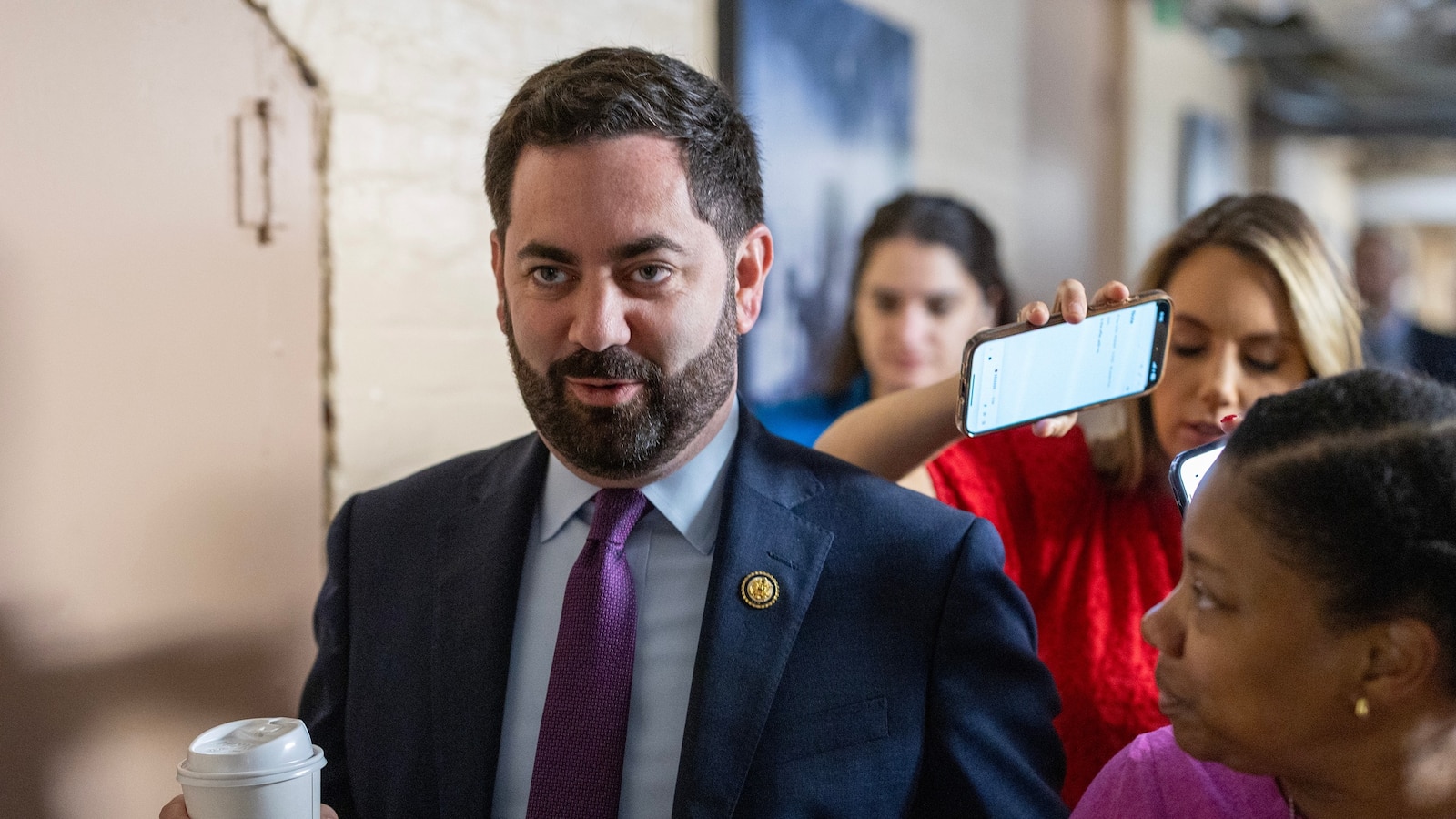
The House on a 221-205 vote cleared a procedural hurdle to discharge and tee up a Thursday vote on a clean three-year extension of enhanced ACA premium tax credits, with nine Republicans joining Democrats to advance the measure. The subsidies — enhanced during the COVID pandemic and currently helping an estimated 22 million of 24 million marketplace enrollees — face long odds in the Senate after a prior extension failed to reach 60 votes and with public opposition from President Trump, creating continued policy uncertainty and the prospect of higher premiums in 2026.
Market structure: The near-term winners from a clean three-year ACA subsidy extension would be ACA-focused insurers (Centene CNC, Molina MOH, Bright Health/managed-care arms) and PBMs, because ~22m of 24m marketplace enrollees rely on enhanced credits and would avoid premium shock in 2026. Losers if subsidies lapse are hospitals and safety-net providers (HCA, UHS) facing higher uncompensated care and state budgets exposed to Medicaid churn; pharma demand risk is second-order but non-trivial for high-cost outpatient drugs. Pricing power shifts to insurers if subsidies are extended (stable enrollment, lower churn) and to hospitals/providers if subsidies expire (higher bad-debt and pricing pressure from state relief requests).
Risk assessment: Tail risks include a surprise Senate reconciliation route or executive action that either extends or blocks subsidies (low probability but >10% around election cycles), state-level fixes, or court rulings changing eligibility; each can swing sector EPS by +/-10–25% for mid-size insurers. Time horizons: immediate (days) for headline-driven equity moves around House/Senate votes, short-term (weeks–months) for positioning into Q1 2026 earnings/pricing resets, and long-term (quarters–years) for enrollment and margin normalization. Hidden dependencies: insurer 2026 rate filings already assumed scenarios—misalignment between filings and final policy creates earnings surprises.
Trade implications & cross-asset: Expect modest upward pressure on 10y yields (+5–15bps) if subsidies are extended due to increased deficit financing; equity vols in regional insurers/hospitals likely spike on Senate outcomes. Direct trades favor ACA-exposed insurers on an extension and protection/short-hospital exposure on failure. Catalysts to watch: Senate vote counts, White House statements, state waiver announcements within 0–60 days.
Contrarian angles: Consensus treats Senate passage as unlikely, underpricing tail of a last-minute bipartisan fix or targeted state relief that would re-rate regional insurers; conversely, markets may underestimate operational disruption if subsidies lapse (claims volatility, enrollment cliffs). Historical parallel: 2017 repeal attempts caused multi-quarter premium repricing and M&A repositioning; a similar policy whipsaw would create 20–40% idiosyncratic moves in mid-cap insurers and hospitals. The cleanest mispricing window is the 48–72 hours after final House/Senate votes when options skew and spreads widen.
AI-powered research, real-time alerts, and portfolio analytics for institutional investors.
Request DemoOverall Sentiment
mildly negative
Sentiment Score
-0.25
