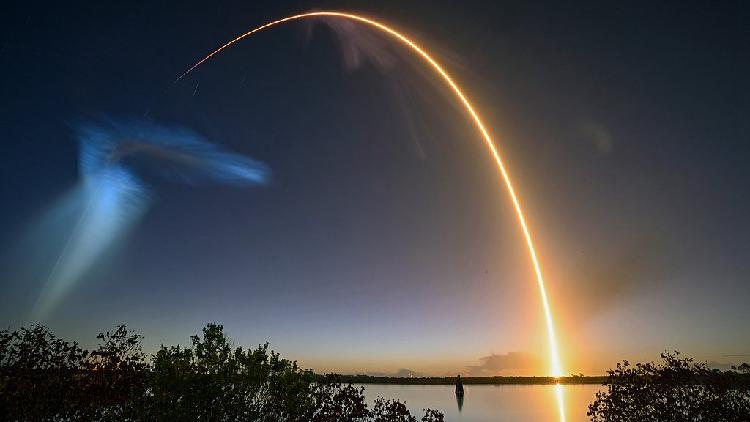
Starlink satellite 34343 experienced an on-orbit anomaly at approximately 560 km, lost communications and generated trackable debris; LeoLabs detected a fragment-generation event and noted similarities to a prior anomaly involving Starlink 35956 on Dec 17, 2025. SpaceX says the event poses no new risk to the ISS, NASA's Artemis II mission or the Transporter-16 rideshare and will continue monitoring and coordinating with NASA and the US Space Force.
Recent satellite fragmentation events have an outsized market effect through three channels: (1) immediate demand for precision tracking and cataloguing services, (2) higher marginal costs for smallsat rideshares via insurance and collision-avoidance maneuvers, and (3) an accelerated procurement cycle for debris remediation and on-orbit servicing. Expect governments and large commercial operators to accelerate multi-year SSA (space situational awareness) contracts and to attach stricter launch-readiness requirements to rideshare manifest approvals, creating a durable revenue stream for firms that already operate ground radars, tasking systems, and data subscriptions.
Quantitatively, a handful of multi-year SSA contracts or NASA/USSF program awards can move mid-cap defense suppliers' revenue lines by low- to mid- single-digit percentage points within 12–24 months, translating into double-digit upside to forward EPS if margins on recurring data services are captured. Conversely, small-launch and rideshare economics are fragile: a persistent uptick in anomaly frequency can increase per-payload insurance and maneuver fuel allocations by 5–15% per mission, compressing unit margins and shifting market share toward vertically integrated incumbents who can internalize risk.
Key catalysts and timeframes to monitor: additional fragmentation detections (days–weeks) that force re-manifests or temporary filing pauses; agency inquiries and draft rule changes (3–12 months) that could mandate de-orbit capability certification; and bilateral procurement awards for debris removal/inspection (12–36 months) that validate long-duration revenue streams. Tail risk remains a low-probability, high-impact collision cascade that would alter launch cadence and orbital economics for years, while a rapid root-cause resolution would materially diminish near-term premium opportunities for SSA providers.
AI-powered research, real-time alerts, and portfolio analytics for institutional investors.
Request DemoOverall Sentiment
neutral
Sentiment Score
0.00
The consensus tends to treat these incidents as idiosyncratic noise; that underestimates the stickiness of regulatory and insurance responses. A modest but sustained increase in fragmentation frequency is more likely to consolidate spending toward a small set of trusted SSA and remediation vendors than to broadly penalize the launch ecosystem — creating asymmetric opportunities for selected defense-tech names and data-centric providers.
