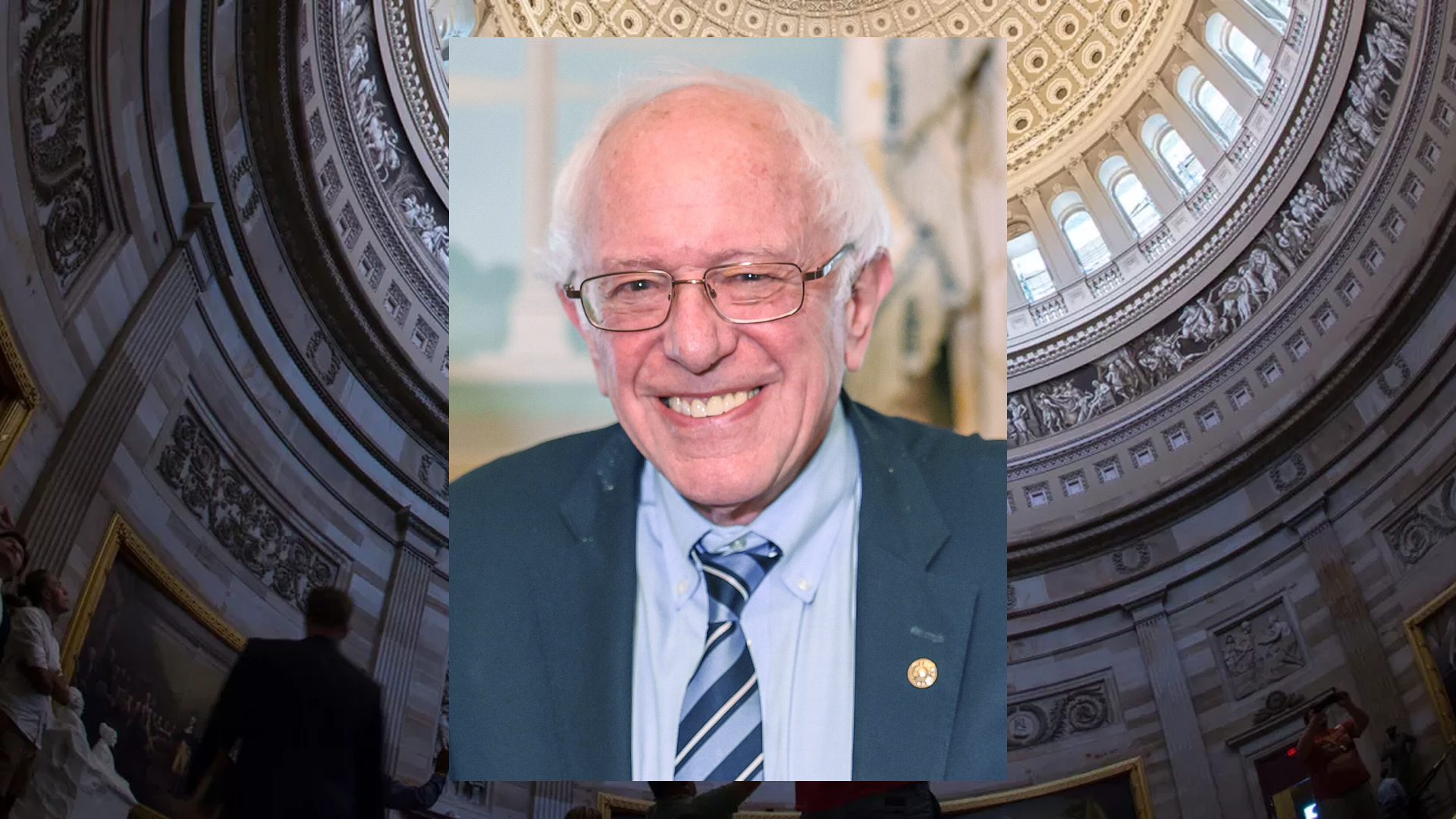
Senator Bernie Sanders criticized the Trump administration's cancellation of $7 billion in funding for the 'Solar for All' program, an initiative he authored aimed at reducing electricity costs for working families by up to 80% and creating jobs in the solar sector. Sanders accused the move of prioritizing fossil fuel interests over American families, vowing to fight for the program's preservation. This cancellation signals a significant policy shift potentially impacting the renewable energy sector's growth and consumer energy affordability.
The cancellation of the $7 billion 'Solar for All' program, as criticized by Senator Bernie Sanders, represents a significant headwind for the U.S. residential solar sector and a material shift in federal energy policy. This initiative was designed to substantially reduce electricity costs, by up to 80% for working families, and stimulate job creation, meaning its removal introduces considerable uncertainty for growth forecasts in this segment of the renewable energy market. The political framing of this decision—pitting support for working families and climate initiatives against the interests of the fossil fuel industry—highlights the heightened political risk associated with green energy investments that are dependent on federal subsidies. Senator Sanders' other legislative proposals, such as the bill to eliminate fossil-fuel subsidies (S.2444), underscore the deep ideological divide shaping U.S. energy policy, suggesting that companies in this space will continue to face a volatile and unpredictable regulatory environment contingent on political outcomes.
AI-powered research, real-time alerts, and portfolio analytics for institutional investors.
Request DemoOverall Sentiment
strongly negative
Sentiment Score
-0.70
