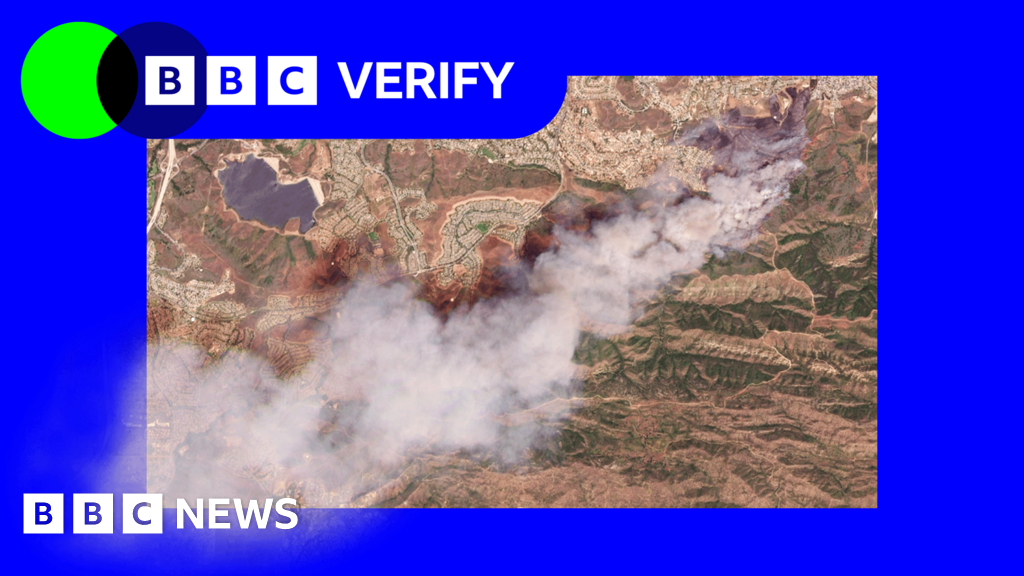
Two California wildfires are burning largely uncontrolled, including the Sandy Fire at 1,364 acres with 0% containment and the Santa Rosa Island blaze at 14,600 acres with no containment reported. More than 10,000 homes have been evacuated in Simi Valley and surrounding communities, with another 3,500 under warning, while at least 750 firefighters and water-dropping helicopters are being deployed. The Santa Rosa Island fire has also burned into Channel Islands National Park, underscoring environmental damage and ongoing regional disruption.
The immediate market read-through is not the fire itself but the operational drag from evacuations and access restrictions. In Southern California, wildfire events typically create a short, sharp hit to local labor availability, municipal services, construction schedules, and last-mile logistics, while also forcing temporary demand spikes in emergency contractors, generators, communications, and temporary housing. The bigger second-order effect is on insurers and reinsurers: even if this event is geographically contained, repeated smoke/evacuation episodes keep loss modeling elevated and widen the gap between “catastrophe-exposed” books and better-diversified national carriers. The infrastructure angle is more important than the direct property loss. Public utilities and telecoms face elevated inspection, repair, and vegetation-management costs after high-wind fire risk, and those costs usually lag the event by quarters rather than days. If power shutoffs or line hardening follow, expect near-term pressure on local utility service quality but a medium-term tailwind for grid-hardening vendors, aerial monitoring, and emergency response equipment suppliers. On the defense/response side, the use of night-flying suppression assets highlights the premium on specialized aviation capacity and sensors, which tends to tighten supply for similar assets elsewhere during peak fire season. The contrarian point: the market often overprices the first headline but underprices the persistence of operational disruption. A quick containment headline would likely relieve the most obvious catastrophe trades, but it would not reverse the higher structural spend on mitigation, insurance deductibles, and municipal resilience budgets. The cleaner expression is not chasing the event itself; it is positioning for a multi-quarter re-rating in firms that monetize wildfire adaptation while avoiding names with direct California concentration and thin reinsurance buffers.
AI-powered research, real-time alerts, and portfolio analytics for institutional investors.
Request DemoOverall Sentiment
strongly negative
Sentiment Score
-0.70
