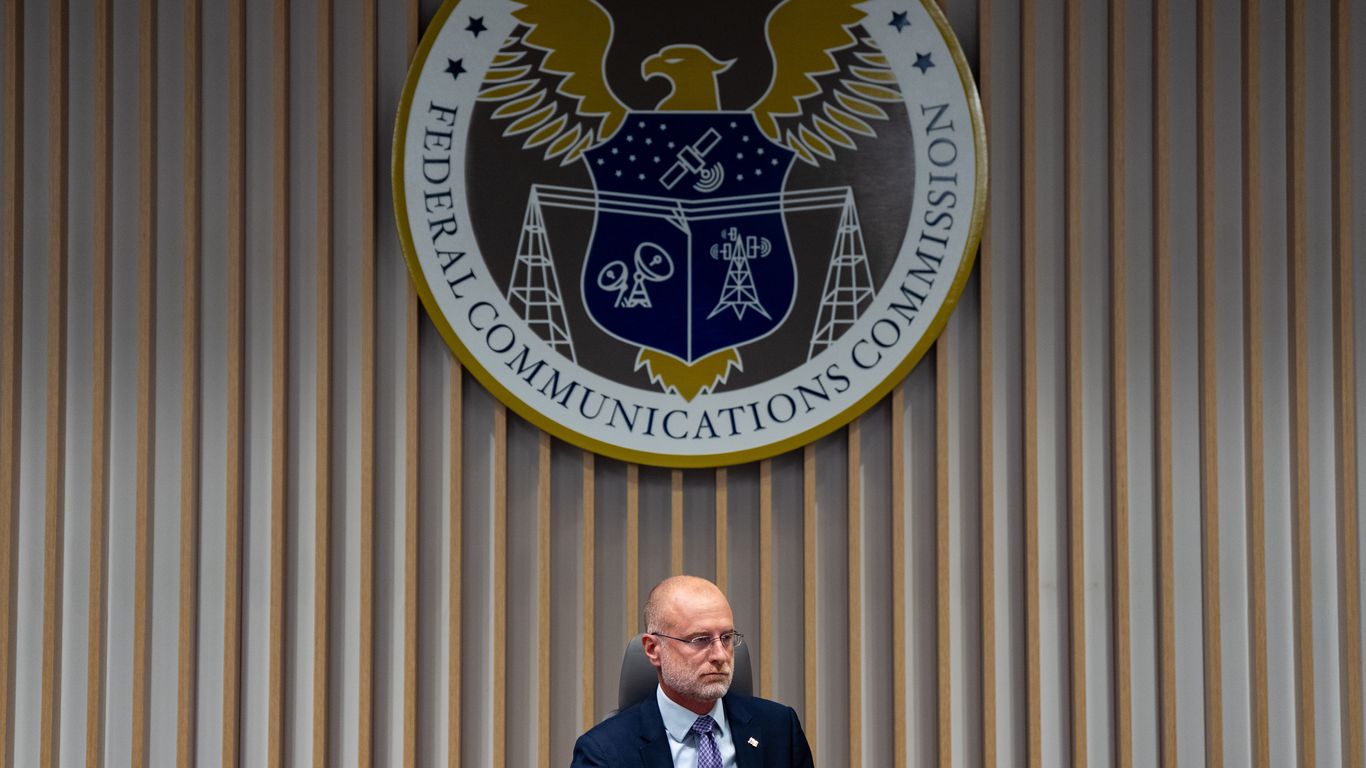
The FCC voted 2-1 to rescind Biden-era cybersecurity rules that required telecom providers to attest annually to CALEA-based risk-management plans after the China-backed Salt Typhoon hack, which U.S. officials estimate affected at least 600 organizations in more than 80 countries. Chair Brendan Carr said the CALEA approach was unlawful and ill-suited to evolving threats and the commission will instead rely on voluntary industry commitments—accelerated patching, tighter access controls, enhanced threat-hunting, disabling unnecessary outbound connections and increased information-sharing—while staff argued the rules were redundant. Democrats and the FCC’s Democratic commissioner warned the rollback removes enforceable accountability and could leave networks more vulnerable, and lawmakers in the House have advanced a bill to create a CISA‑led interagency response to such nation-state intrusions.
The FCC voted 2-1 to rescind the Biden-era CALEA-based cybersecurity rule that required telecom providers to attest annually to risk-management plans, with Chair Brendan Carr calling the prior approach "neither lawful nor effective." The rule arose after the China-backed Salt Typhoon intrusion that U.S. officials estimate affected at least 600 organizations in more than 80 countries and followed a high-profile compromise allegedly including phones tied to President Trump and other officials.
Industry executives have agreed to voluntary measures—accelerated patching, tighter access controls, enhanced threat-hunting, disabling unnecessary outbound connections and increased information-sharing—which FCC staff characterized as making the rule redundant. Democratic policymakers and Commissioner Anna Gomez argue the rollback removes enforceable accountability, while the House has advanced legislation to create a CISA-led interagency response, signalling potential legislative pushback.
Near-term market impact is mixed: rescission reduces immediate compliance costs and regulatory friction (market impact score 0.35), but it raises medium-term regulatory and operational risk given the absence of an enforceable framework; investors should therefore watch implementation evidence, breach metrics and any new federal mandates closely.
AI-powered research, real-time alerts, and portfolio analytics for institutional investors.
Request DemoOverall Sentiment
mildly negative
Sentiment Score
-0.30
