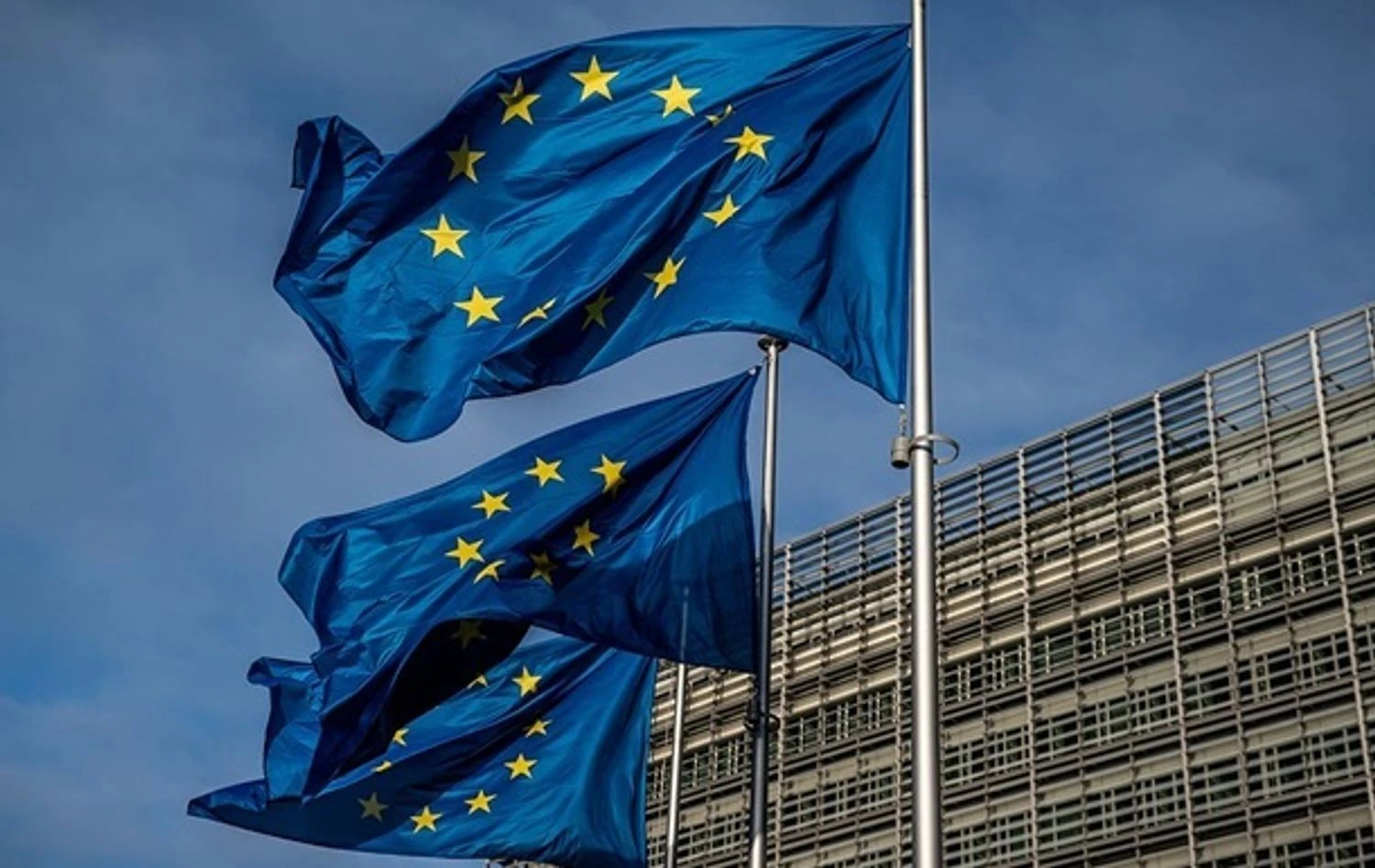
The EU is considering appointing a single peace negotiator for Ukraine-Russia talks, with Kaja Kallas, Angela Merkel, Alexander Stubb, Mario Draghi, and neutral-country figures such as Espen Barth Eide and Subrahmanyam Jaishankar discussed as candidates. The report highlights European divisions over who should lead negotiations, while both Kyiv and Moscow reportedly prefer one representative over a collective format. The move reflects the EU’s increasing diplomatic burden as the US shifts focus toward the Middle East and Iran.
A single EU point-person would matter less for headline diplomacy than for who controls the sequencing of concessions, sanctions relief, reconstruction financing, and security guarantees. That makes this a governance trade, not just a war/peace trade: the first market implication is a lower probability of a messy, multi-track European process that drags on asset volatility, while the second-order effect is a likely re-rating of firms exposed to eastern European reconstruction and cross-border logistics if negotiations become more credible over the next 3-9 months.
The bigger near-term market signal is internal European cohesion risk. If member states cannot converge on a neutral enough envoy, the bloc looks procedurally weaker, which can widen risk premia for European defense, banks with regional exposure, and industrial cyclicals tied to an eventual rebuild thesis. Conversely, a compromise candidate with acceptable standing to both sides would probably compress tail-risk premiums fastest in the sovereign/small-cap space, because investors would start pricing a slower but more orderly glide path from wartime budgets to reconstruction spend.
The contrarian angle is that a peace negotiator may be bullish for assets that currently trade on prolonged conflict assumptions, but the first leg of any credible process can actually be bearish for defense names and parts of the NATO supply chain before reconstruction beneficiaries catch up. Markets often overprice the symbolic appointment and underprice the implementation bottleneck: a negotiation channel can be announced quickly, but sanctions calibration, security architecture, and financing packages are months-long constraints. That creates a window where event-driven volatility is higher than the eventual directional move.
Tail risk is a failed appointment or a nominee perceived as politically unusable by Moscow, which would extend conflict-duration expectations and reflate defense-premium trades. The cleaner catalyst to watch is any signal that Europe is coordinating a neutral intermediary acceptable to Kyiv and Moscow; that would likely be the first step toward lower geopolitical risk premia and a rotation from pure defense exposure into reconstruction, infrastructure, and select European cyclicals.
AI-powered research, real-time alerts, and portfolio analytics for institutional investors.
Request DemoOverall Sentiment
neutral
Sentiment Score
-0.10
Ticker Sentiment
