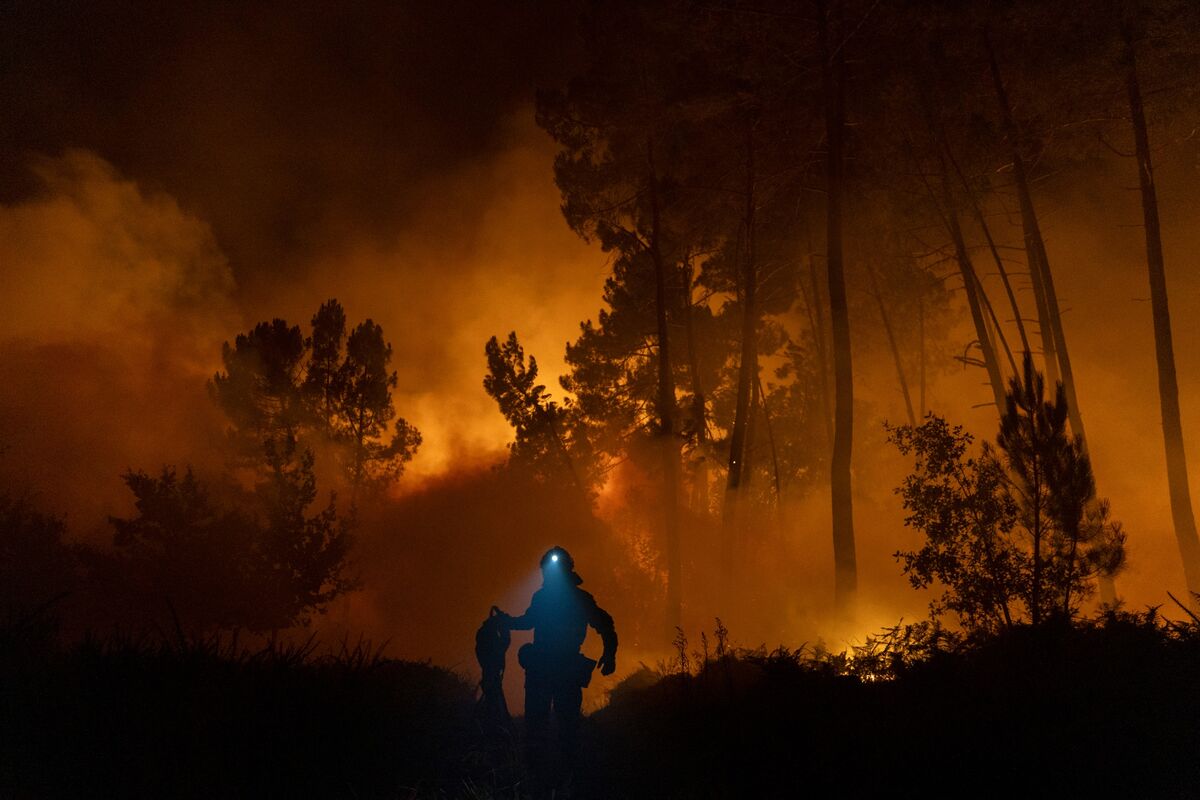
Europe is experiencing its most destructive wildfire season in nearly two decades, with approximately 8,948 square kilometers scorched across the EU in 2025, exceeding any year since 2006. Fueled by four major heat waves, dry conditions, and strong winds, this extensive land destruction, confirmed by Copernicus satellite data, highlights the escalating physical risks from climate change and its potential economic ramifications for sectors such as insurance, agriculture, and infrastructure.
Europe is confronting its most destructive wildfire season in nearly two decades, with satellite data from the Copernicus space program confirming that approximately 8,948 square kilometers have burned across the European Union in 2025. This figure, the highest since 2006, is attributed to a combination of four major heat waves, severe dry conditions, and strong winds. The strongly negative sentiment (-0.7) associated with this event highlights the severity of the situation. This escalation of natural disasters represents a tangible manifestation of physical climate risk, posing direct economic threats to sectors such as insurance, through increased claims, agriculture, via land and crop destruction, and infrastructure, which faces damage and operational disruption.
AI-powered research, real-time alerts, and portfolio analytics for institutional investors.
Request DemoOverall Sentiment
strongly negative
Sentiment Score
-0.70
