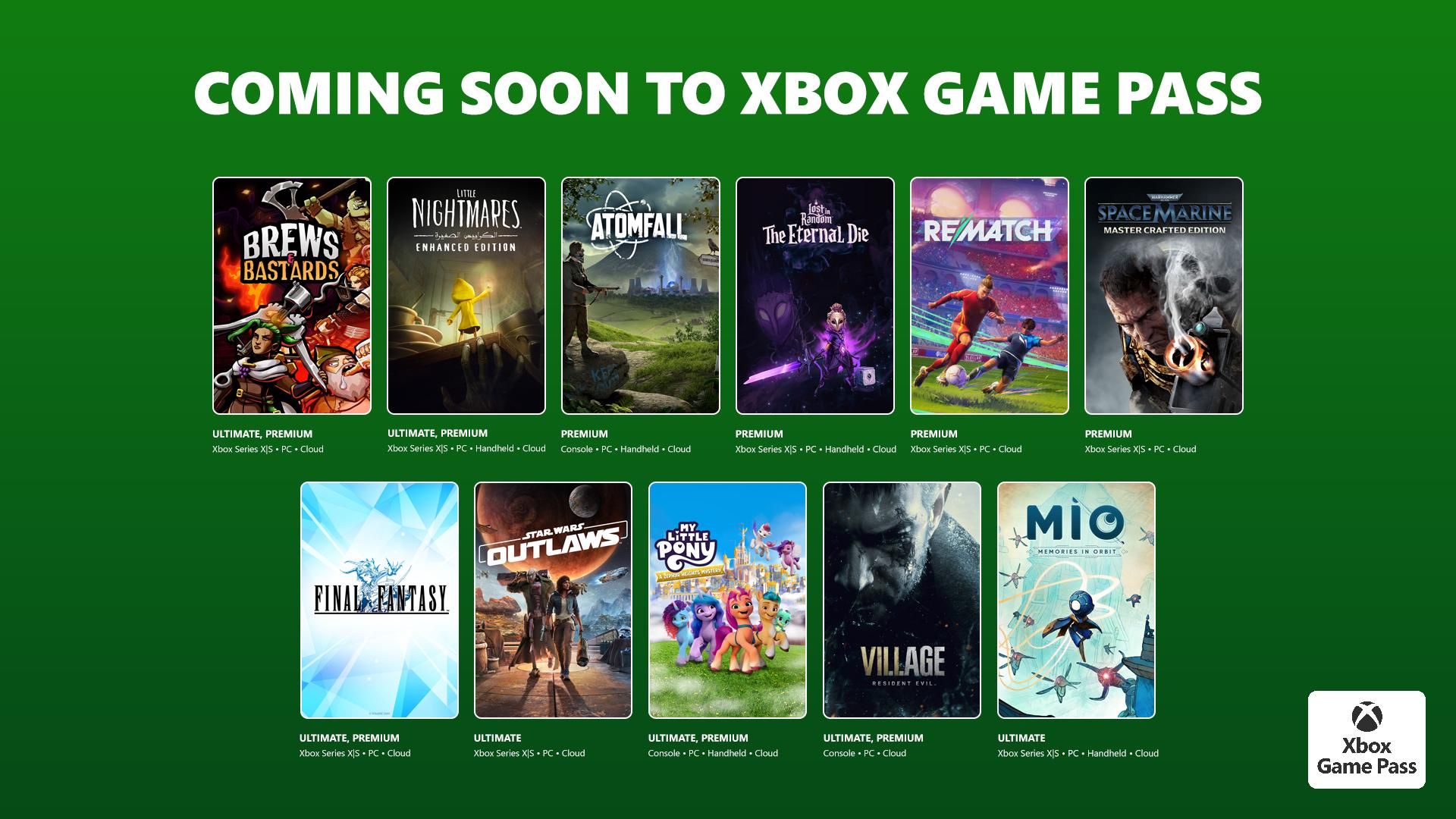
Microsoft’s Xbox Game Pass lineup for January 2026 features high-profile additions—most notably Resident Evil Village arriving Jan. 20—against the backdrop of a recent 50% price increase for Xbox Game Pass Ultimate (from $20 to $30) that takes effect for its first full year in 2026. The piece highlights Microsoft’s compensatory service upgrades (Fortnite Crew, 1440p/cloud bit‑rate) and raises the strategic question of whether the higher ARPU will translate into incremental revenue or accelerated subscriber churn, affecting content investment and margins. For investors, the key signals are subscriber retention risk versus potential margin expansion and the role of marquee content in defending Game Pass economics and lifetime value.
Market structure: Microsoft (MSFT) is the clear direct beneficiary if the $30 Game Pass Ultimate translates into higher ARPU; a back-of-envelope break-even vs churn occurs if subscription churn stays below ~5–7% while price rises 50% (implying net revenue +40%+). Third-party publishers see mixed effects — more distribution and guaranteed payouts but potential loss of full‑price sales; Amazon (AMZN) gets a trivial retail bump from legacy card inventory. Cloud/GPU demand (NVDA/AMD exposure) could rise modestly if Microsoft scales cloud gaming, tightening semi demand in 6–18 months.
Risk assessment: Tail risks include regulatory scrutiny on platform bundling, materially higher churn (15%+ over 3–6 months) or rising Azure cloud costs dragging margins; operational risks include failed Play Anywhere support fracturing ecosystem. Immediate (days/weeks) impact is low; watch subscriber metrics over the next 1–2 quarters for durable trends. Hidden dependencies: success depends on continued third-party licensing (e.g., Capcom) and on Xbox Developer Direct content pipeline; a string of cancellations could reverse sentiment.
Trade implications: Establish a 2–3% core long position in MSFT ahead of the Jan Developer Direct (catalyst window 0–90 days), financed by selling a modest amount of less-convex beta (e.g., 0.5% short RBLX) to capture relative weakness in scalable user-monetization names. Hedge MSFT with a 0.5% notional 3‑month OTM put (protects against >8–10% downside); alternatively buy a 6‑9 month call spread at ~+8–12% OTM to express upside while capping premium. Rotate small weight into NVDA (1%) for cloud GPU exposure if Game Pass cloud metrics improve next quarter.
Contrarian angles: The market may be overpricing subscriber collapse risk — Netflix/Spotify precedent shows price hikes often cause short-term churn but materially lift ARPU and cash flow within 6–12 months. Conversely, consensus is underappreciating content/licensing fallout: if major publishers demand higher royalties, MSFT gross margins could compress by 200–400bps over 12–24 months. Watch two triggers that would invalidate bullish stance: sequential subscriber declines >5% and one or more major first‑party cancellations within 6 months.
AI-powered research, real-time alerts, and portfolio analytics for institutional investors.
Request DemoOverall Sentiment
mixed
Sentiment Score
0.10
Ticker Sentiment
