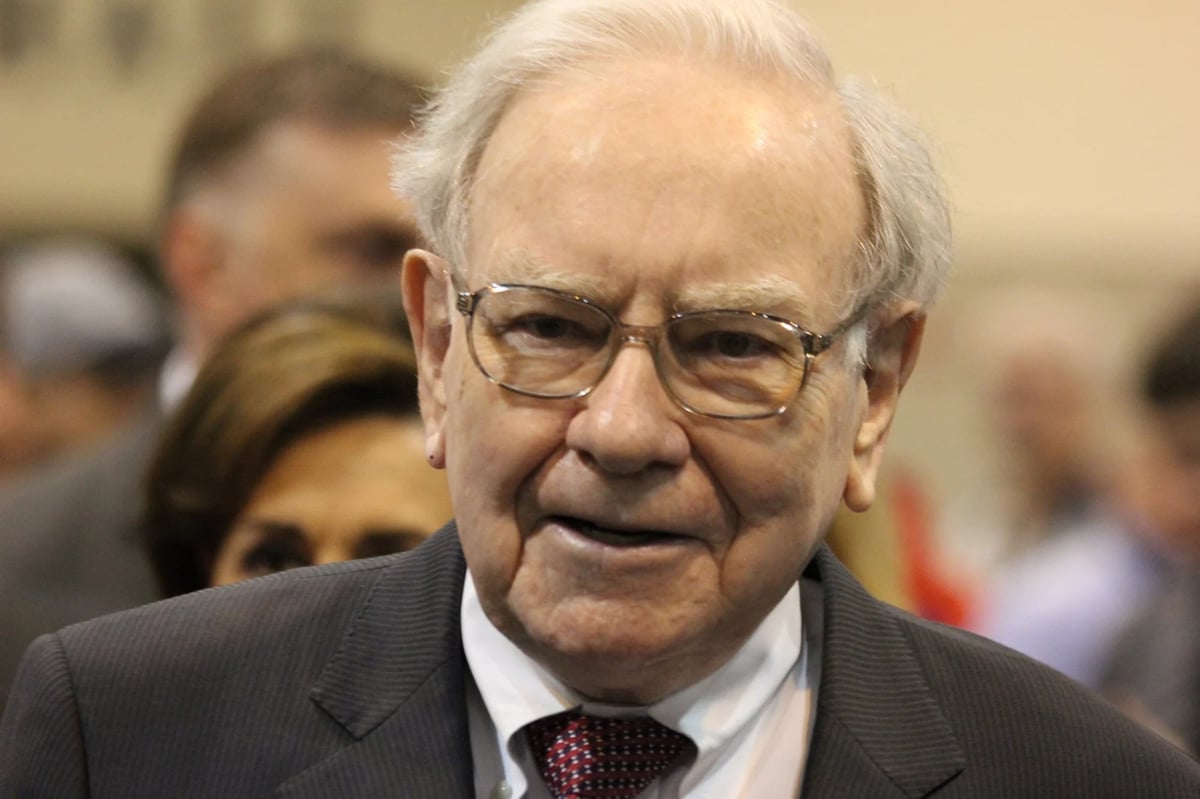
Berkshire Hathaway bought 17.8 million Alphabet Class A shares in Q3 2025 at an average $209 for ~$4.3bn (position now worth ~$5.6bn), representing 1.8% of Berkshire’s portfolio and ~0.3% equity in Google. Catalysts cited include a lighter-than-expected DOJ antitrust ruling (no forced Chrome sale, but limits on exclusive search deals) and accelerating Google Cloud revenue growth (34% YoY in Q3 2025, up from 32% in Q2 and 28% in Q1), while analysts model 2024–2027 revenue and EPS CAGRs of ~13% and ~17% and the stock trading ~28x next-year earnings. Buffett is stepping down year-end but the trade was likely approved by portfolio managers, signaling measured endorsement of Alphabet’s ad/cloud/AI trajectory rather than a broad bullish call on AI froth.
Market structure: Berkshire’s entry into GOOGL reaffirms institutional conviction in AI-driven cloud/ad mix—direct winners include GOOGL and MSFT (AI infra and enterprise spend), cloud infra suppliers (NVDA, AMZN as AWS beneficiary) and ad-tech partners; losers include smaller ad-dependent platforms (SNAP, TWTR-like assets) and legacy browser/aggregator plays if Google keeps distribution. Expect incremental pricing power in search+AI over 12–36 months as Gemini enhances user retention; ad CPMs are the demand lever — a 100–200 bps recovery in CPMs would lift YoY revenue materially. Cross-asset: a rotation into growth/AI increases risk-on flows, pressuring Treasuries (10y +10–30bps on sustained tech buying) and elevating equity implied vols; NVDA-led GPU demand supports energy/commodity capex but is a small FX shock except vs. USD if global tech flows reallocate capital.
Risk assessment: Tail risks include adverse antitrust rulings (reimposition of divestiture or forced data-sharing) that can knock 15–30% off GOOGL multiples, or an ad recession compressing margins by 200–400 bps. Time horizons: immediate (days) — price pop/mean-reversion from headline buys; short term (weeks–months) — momentum amplifies or reverses around earnings and DOJ appeals; long term (years) — structural CAGR ~13% revenue, 17% EPS assumed but sensitive to GPU capex and AI model costs. Hidden dependencies: ad pricing rebound, enterprise cloud contract cadence, and access to proprietary data; catalysts include quarterly Cloud growth >30%, Gemini enterprise wins, or DOJ appellate outcomes.
Trade implications: Direct: initiate a 1–2% net-long position in GOOGL (Class A or C) on a pullback of 8–15% or on confirmation of next-quarter cloud growth ≥30%; target 12-month return 12–18% and use a 12–15% trailing stop. Pair: long GOOGL vs short META (FB) to isolate AI/cloud upside vs pure ad exposure; size 1:0.6. Options: buy 9–12 month call spreads 10–20% OTM on GOOGL (buy 1 strike, sell 1 higher) to cap cost; sell 30–60 day covered calls to finance positions if implied vol > historical by 20%.
Contrarian angles: Consensus treats Berkshire’s buy as Buffett-validation; it’s more likely a Todd/Weschler trade — beware crowding and momentum reversal. The market may be under-pricing regulatory tail benefit (court limited DOJ remedies); conversely it may over-pay for near-term AI hype — a >20% drawdown would signal overextension. Historical parallel: MSFT’s enterprise/cloud re-rating post-2014 required consistent 20%+ organic cloud beats; absent those beats, multiple contraction is likely. Unintended consequence: a rush into GOOGL could spike GPU demand, increasing capex and compressing near-term free cash flow, which the market may not price immediately.
AI-powered research, real-time alerts, and portfolio analytics for institutional investors.
Request DemoOverall Sentiment
mildly positive
Sentiment Score
0.28
Ticker Sentiment
