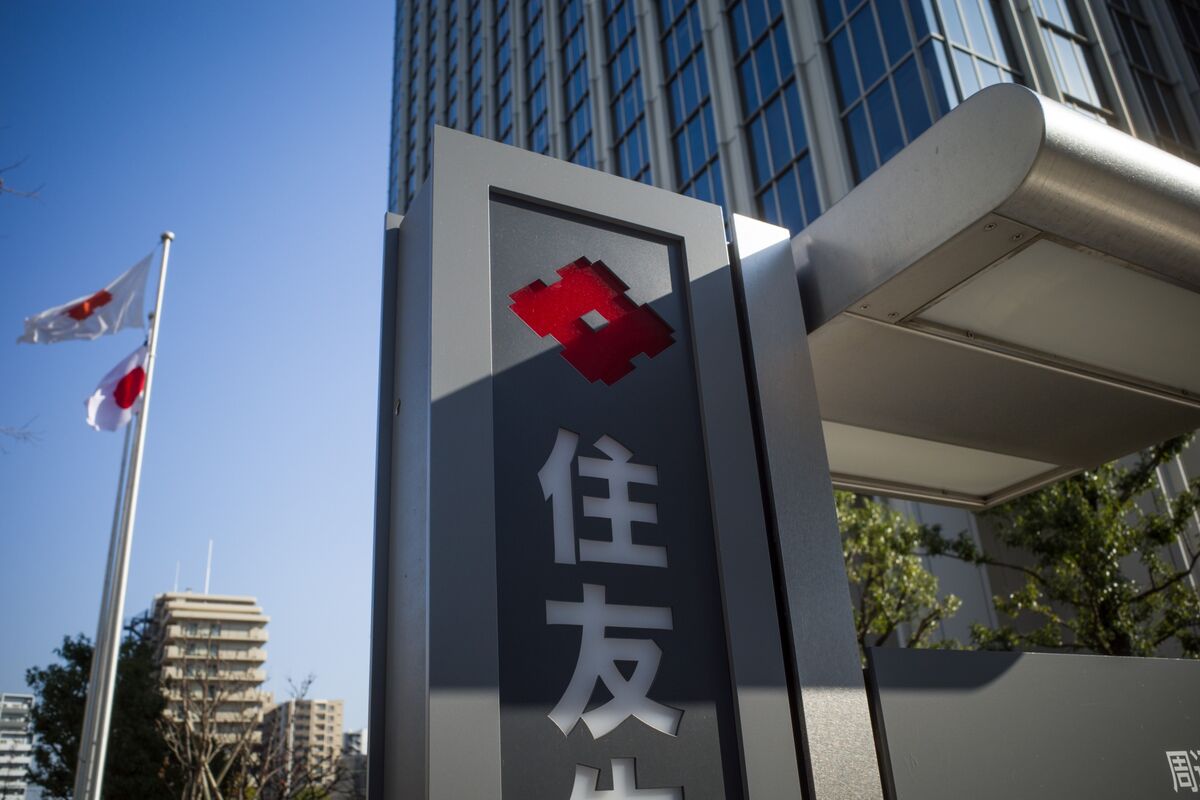
Sumitomo Life Insurance Co. is adopting an unusual strategy to avoid booking losses on its debt assets by committing to hold them until their market value recovers. This tactic leverages Japanese accounting standards, which typically mandate a write-down only if a bond's value drops significantly (50% or more) with no recovery prospect and an intent to sell, thereby allowing the insurer to bypass immediate recognition of unrealized losses amidst volatile market conditions.
Sumitomo Life Insurance Co. is employing an unusual accounting strategy to circumvent the recognition of losses on its debt portfolio. By leveraging Japanese accounting standards, the insurer has committed to not selling bonds that are trading below their acquisition price. This tactic allows the company to avoid booking a loss, which is typically mandated when a bond's market value drops by 50% or more with no prospect of recovery. This defensive maneuver, occurring amidst sharp price movements in bond markets, effectively masks a deterioration in the market value of its assets. While this approach prevents an immediate negative impact on reported earnings, it raises significant concerns about balance sheet transparency and locks the company into holding underperforming assets, potentially sacrificing liquidity and a more dynamic portfolio management strategy.
AI-powered research, real-time alerts, and portfolio analytics for institutional investors.
Request DemoOverall Sentiment
moderately negative
Sentiment Score
-0.50
