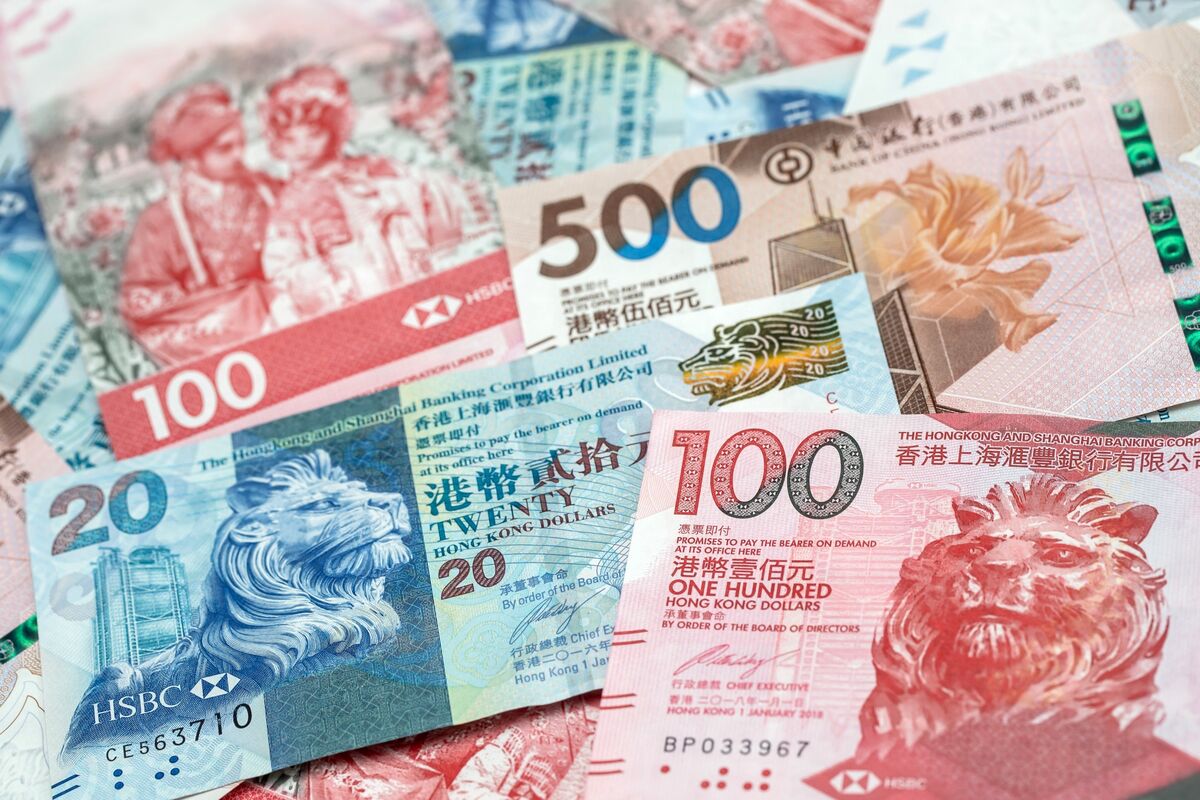
Hong Kong's de facto central bank recently intervened in the currency market by injecting cash to counter a strengthening Hong Kong dollar. This action led to the HKD falling from HK$7.75 to HK$7.85 against the USD, flipping between the two sides of its permitted trading band, and caused interbank borrowing rates to plunge. This ongoing currency defense effort is described as a balancing act that threatens the city's nascent economic recovery.
Hong Kong's de facto central bank has actively intervened in the currency market by injecting liquidity to manage the strength of the Hong Kong dollar. This policy action successfully drove the currency from the strong end of its permitted trading band at HK$7.75 to the weak end at HK$7.85 against the US dollar. A direct consequence of this liquidity injection was a plunge in local interbank borrowing rates. However, this intervention is creating a significant policy dilemma, characterized as a precarious balancing act. The measures required to defend the currency peg are now perceived as a direct threat to the city's nascent and fragile economic recovery, reflecting an uncertain and moderately negative outlook on the current monetary strategy's broader impact.
AI-powered research, real-time alerts, and portfolio analytics for institutional investors.
Request DemoOverall Sentiment
moderately negative
Sentiment Score
-0.50
