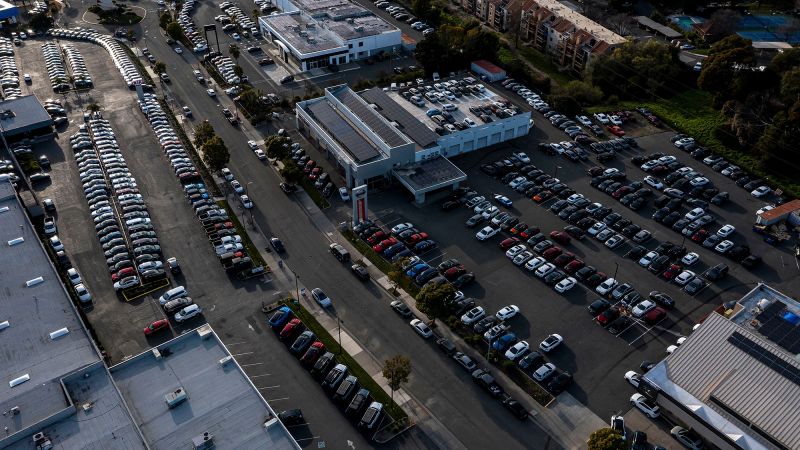
The average new vehicle transaction price in the U.S. surpassed $50,000 for the first time in September, reaching $50,080, a 3.6% year-over-year increase. This surge is primarily driven by strong demand for luxury vehicles and expensive EVs from wealthier households, rather than direct tariff impacts. While 25% tariffs on imported cars and parts have not yet led to dramatic price hikes due to earlier buying patterns, experts anticipate price increases with 2026 models, though possibly insufficient to fully cover tariff costs, signaling a market increasingly catering to higher-end segments.
The average new vehicle transaction price in the U.S. surpassed $50,000 for the first time in September, reaching $50,080, representing a 3.6% year-over-year increase. This significant price surge is primarily driven by robust demand for luxury vehicles and expensive Electric Vehicles (EVs), rather than direct impacts from automotive tariffs, according to Kelley Blue Book data.
The current automotive market is increasingly catering to wealthier households, who possess greater access to capital and favorable loan rates, effectively propping up the premium segment. Conversely, price-conscious buyers are being sidelined, with the sub-$20,000 vehicle segment largely extinct, pushing these consumers into the used-vehicle market and indicating a structural shift in new car accessibility.
Despite existing 25% tariffs on imported cars and parts, prices have not yet seen dramatic increases due to a pre-tariff buying rush that subsequently dampened demand. However, experts anticipate price jumps when 2026 models arrive, though these increases may not fully offset the billions in tariff costs, signaling potential margin pressure for manufacturers if full costs cannot be passed on.
AI-powered research, real-time alerts, and portfolio analytics for institutional investors.
Overall Sentiment
moderately negative
Sentiment Score
-0.60
