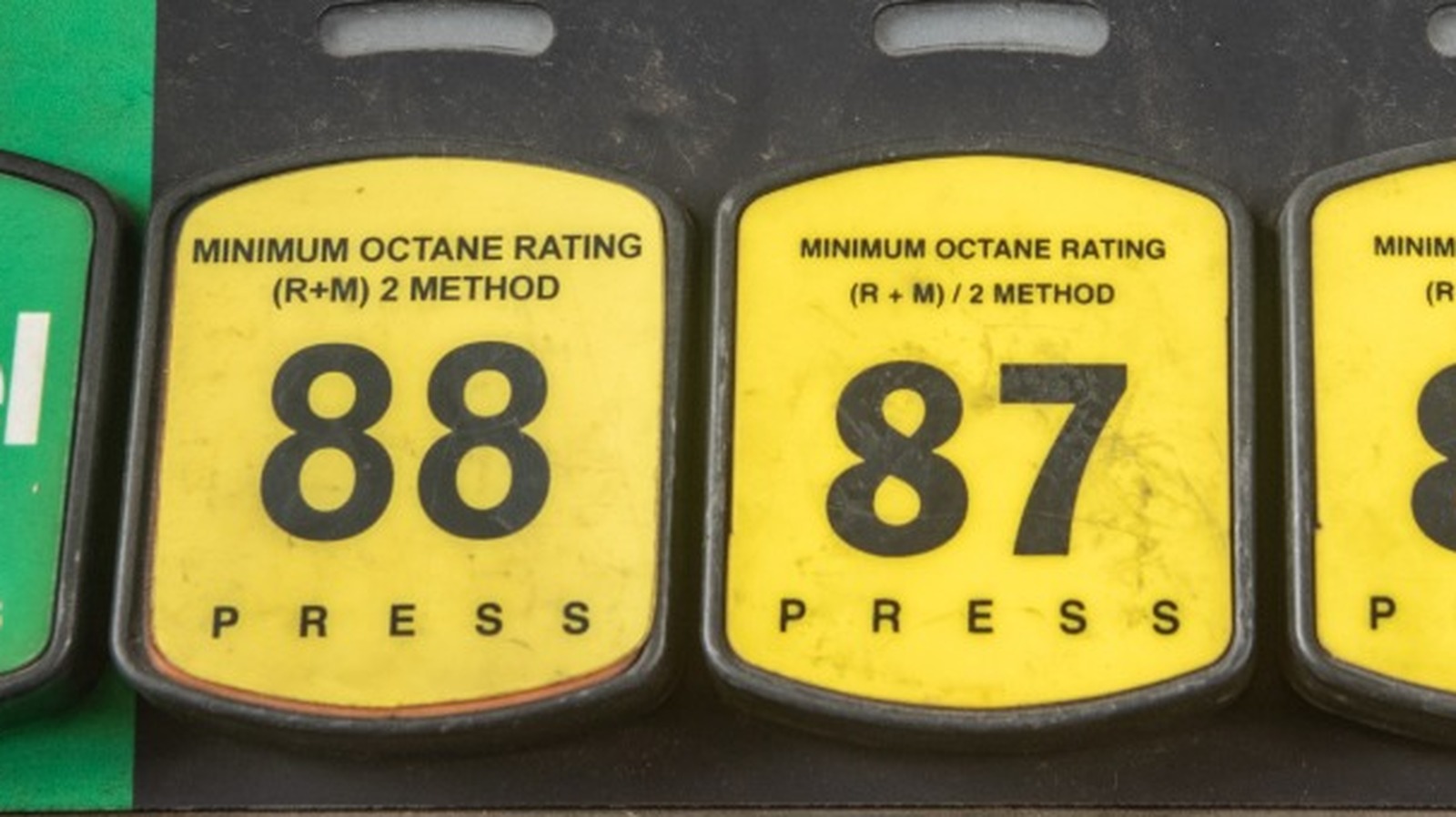
E15 gasoline remains restricted for many engines, with EPA rules allowing use mainly in 2001 model year cars and newer, plus some flex-fuel vehicles, while many automakers still have not approved it broadly. The article argues E15 can damage older engines, reduce fuel efficiency versus E10, and is not authorized for use in several non-road engines. This is mostly consumer-facing guidance rather than market-moving news.
The market implication is less about gasoline chemistry and more about a slow-moving redistribution of demand within the fuel complex. If E15 remains broadly available year-round, the immediate beneficiary is the corn/ethanol value chain, but the bigger second-order effect is margin pressure on refiners selling low-complexity retail blends, because higher ethanol content mechanically lowers energy density and can cap per-mile value for consumers. That creates a subtle demand headwind for discretionary driving at the margin when pump prices are already sensitive, even if the headline price per gallon looks attractive.
The more interesting investor angle is liability and compatibility risk. The article highlights that OEM authorization is uneven and often lags regulatory permission, which means the real adoption ceiling is not policy but consumer trust and dealer education. That favors automakers with conservative warranty policies and strong service networks, while exposing smaller fleets, outdoor power equipment, marine channels, and used-car owners to misfueling and potential repair costs. Over time, this can create incremental aftermarket revenue for compliant fuel-system parts and diagnostic services, but near term it is a friction tax on the broader combustion ecosystem.
Consensus is likely overstating the climate virtue signal and understating the operational inefficiency. Ethanol blending looks politically durable because it supports agriculture constituencies, but the energy-return argument remains weak, so any incremental blend-share gains are vulnerable if gasoline prices fall or if consumer backlash rises after a spate of compatibility issues. The main reversal catalyst would be either a sharp drop in crude that makes the mileage penalty more visible to consumers, or a regulatory/industry pullback if warranty claims and misfueling incidents become politically salient over the next 6-18 months.
AI-powered research, real-time alerts, and portfolio analytics for institutional investors.
Request DemoOverall Sentiment
mildly negative
Sentiment Score
-0.15
