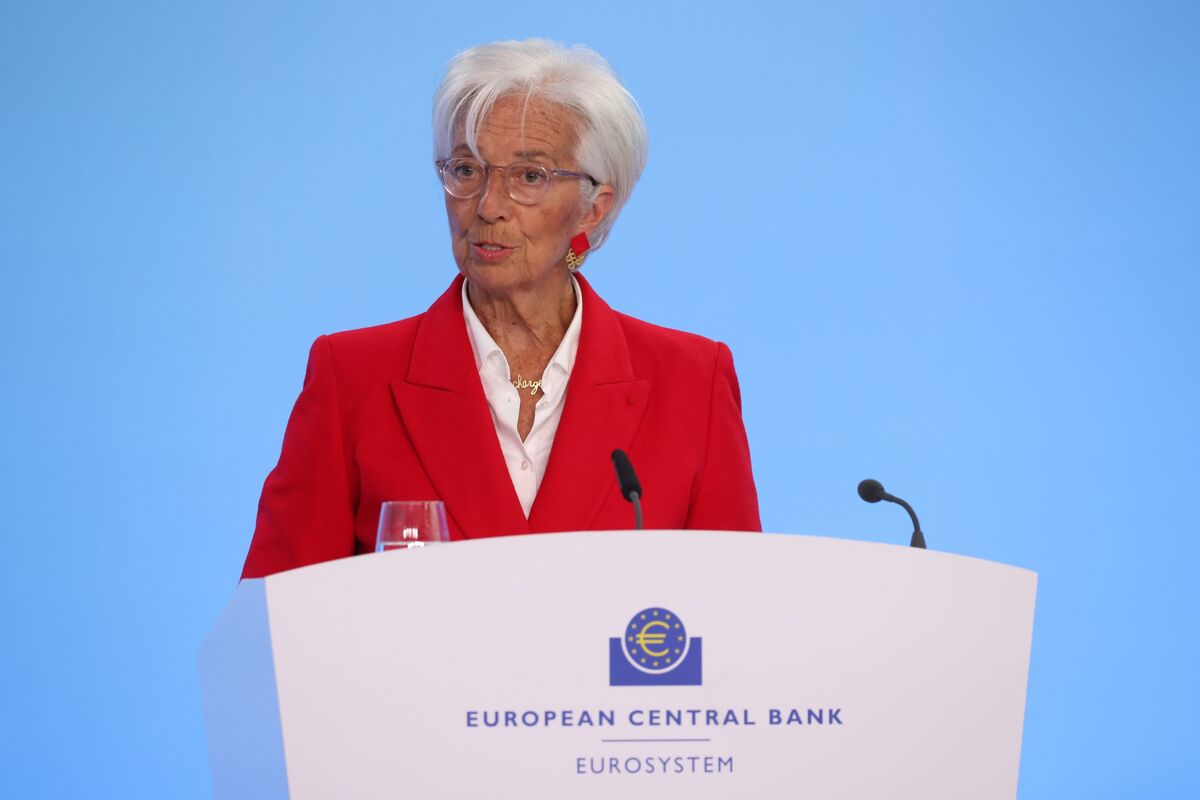
The ECB has cut rates but remains data-dependent, with President Lagarde citing increased uncertainty in the inflation outlook and lowering the 2026 inflation forecast to 1.6%. While risks to growth are tilted to the downside, Lagarde expressed optimism regarding moderating wage growth; however, internal dissent was present, with Austria's Robert Holzmann advocating for a pause and Isabel Schnabel urging caution on future cuts amid ongoing EU-US trade tensions.
The European Central Bank has implemented a rate cut, signaling a shift in monetary policy, yet underscores a continued data-dependent approach for subsequent actions, as highlighted by President Lagarde. This decision is set against an inflation outlook deemed "more uncertain than usual," despite the ECB lowering its 2026 inflation forecast to 1.6%. While Lagarde conveyed optimism regarding "visibly" moderating wage growth, she also acknowledged that risks to economic growth are tilted to the downside. The rate cut, described as an "almost unanimous” decision, encountered internal opposition, with Austria’s Robert Holzmann reportedly advocating for a pause through June and July to "keep our powder dry" amidst EU-US trade tensions. Concurrently, Executive Board Member Isabel Schnabel urged caution regarding future rate reductions, advocating for a "steady-hand" policy, indicating a degree of divergence within the ECB on the appropriate pace and extent of future easing.
AI-powered research, real-time alerts, and portfolio analytics for institutional investors.
Request DemoOverall Sentiment
mildly positive
Sentiment Score
0.25
