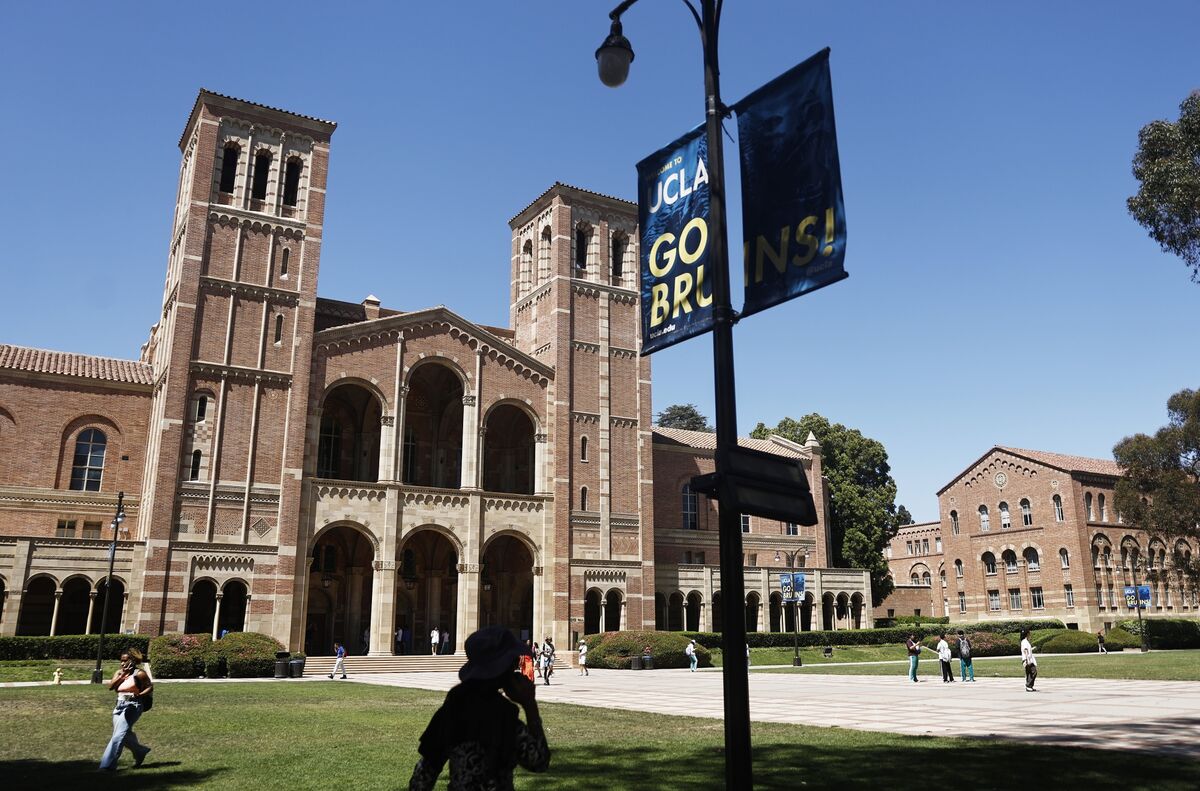
The University of California plans a $2 billion municipal bond sale, issuing general revenue bonds to fund capital projects across its 10 campuses and six academic medical centers, with pricing expected as soon as Dec. 9. The transaction revives a deal shelved in August amid a dispute with the Trump administration over frozen federal research funds, signalling a resumption of system capital financing and modest additional supply to the muni market.
Market structure: A $2bn UC general‑revenue muni is a material single‑issuer print that will increase near‑term muni supply and likely put 5–15bp upward pressure on California/university credits at issuance (pricing expected Dec 9). Winners: underwriters, construction/engineering vendors on UC campuses, tax‑exempt buyers who can pick up new paper; losers: short‑dated muni holders and mutual funds with concentrated CA exposure facing mark‑to‑market weakness. Competitive dynamics: issuers competing for tax‑exempt demand (state GOs, hospital systems) may need to pay a premium if demand is inelastic, shifting a few basis points of spread into weaker credits.
Risk assessment: Tail risk centers on federal research funding being further curtailed — a low‑probability but high‑impact event that could stress UC liquidity and widen spreads 50–150bp and raise borrowing costs; probability materially rises if additional federal actions occur in next 30–90 days. Immediate (days): deal pricing volatility around Dec 9; short (weeks–months): secondary spread normalization; long (quarters–years): project cashflows and capex execution affect regional contractors and medical center revenues. Hidden dependencies: state tax policy, other large CA deals, and Fed rate moves that reprice the municipal curve.
Trade implications: Tactical relative‑value trade is to modestly short national muni exposure (MUB) for 1–3 months sized 2–3% of portfolio to capture expected 5–15bp spread widening, funded by long 2–5y Treasury futures to hedge directional rates. If UC spreads widen >20bp versus like‑duration AA munis, pivot to long CA‑specific paper (via VTEB or state muni ETF) for 6–12 months; establish small (1–2%) long positions in Jacobs (J) and AECOM (ACM) to capture multiquarter capex uplift. Options: buy 30–90 day put spreads on MUB to define downside risk while keeping cost <30bps of notional.
Contrarian angle: The market may overreact to headline politics — UC is a strong, diversified revenue generator (tuition, clinics, endowment) so a short squeeze is plausible if demand outstrips expectations; large deals have historically been absorbed with <5bp permanent spread moves. If Fed eases unexpectedly, munis could rally and punish short positions — cap risks with 3–5% stop losses and size positions conservatively (≤3% notional). Monitor rating agency commentary and any further federal funding action within 30 days as primary triggers to reverse or scale trades.
AI-powered research, real-time alerts, and portfolio analytics for institutional investors.
Request DemoOverall Sentiment
neutral
Sentiment Score
0.05
