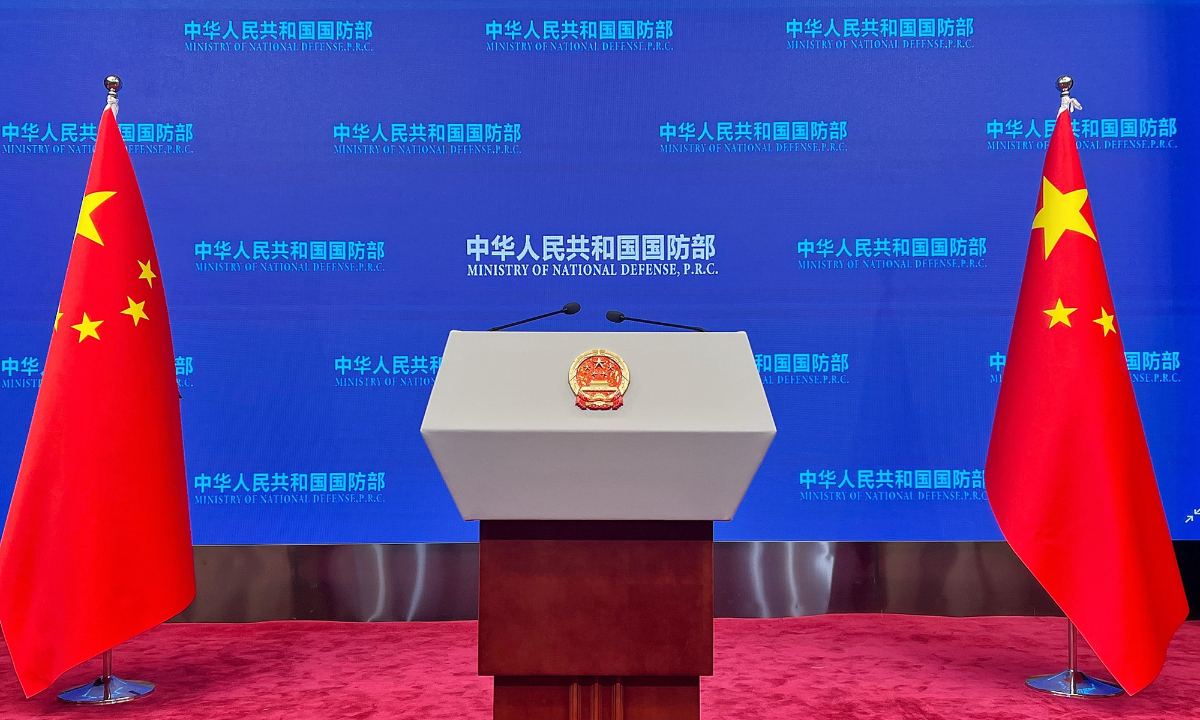
China and Russia conducted their third joint anti-missile exercise on Russian territory in early December, according to the Chinese Defense Ministry. Beijing characterized the drills as not directed at any third party and unrelated to current international or regional developments; while immediate market impact is likely limited, the exercise signals deeper Sino-Russian military coordination that could modestly raise geopolitical risk premia for defense equities, certain emerging-market assets, and risk-sensitive commodity sectors.
Market structure: Large Western defense primes (LMT, RTX, GD, NOC) are the direct beneficiaries as geopolitical risk nudges governments to prioritize missile-defense and resiliency capex; expect backlog and pricing power to firm with lead times for missiles/aircraft components of 6–18 months. Losers are high-beta EM risk assets (Russia/EM equities) and sensitive European aero suppliers if sanctions/offsets increase; near-term demand shock is directional rather than immediate revenue recognition.
Risk assessment: Tail risks include a low-probability escalation that triggers energy supply shocks (Brent +$10–20/bbl) or sweeping sanctions that disrupt global supply chains for semiconductors/rare-earths; immediate market impact should be muted (days), with 1–3 month re-ratings of defense names (+5–15%) and 6–24 month structural shifts to onshore supply chains. Hidden dependencies: defense production hinges on specialized semis, titanium and rare-earth logistics; catalysts include NATO statements, bilateral arms deals, and national budget votes within 30–90 days.
Trade implications: Tactical plays favor modest overweight to large-cap defense equities and gold, funded by underweight EM equities. Options strategies: buy 3-month call spreads on LMT/RTX (buy ATM, sell 10% OTM) to capture a post-news rerate while capping premium. Expect Treasury yields to dip 5–20bps on risk-off (supportive for long-duration defensives) and USD to strengthen ~0.5–1% vs EM in first 1–4 weeks.
Contrarian angles: Consensus may overstate immediate escalation risk and underprice medium-term supply-chain tightening for missile/semiconductor inputs that take 6–12 months to affect pricing. Historical parallel: post‑2014 Crimea defense rerating delivered multi-month alpha; downside is policy fatigue—if budgets don’t follow rhetoric, expect a 10–20% mean reversion in defense names within 6–12 months.
AI-powered research, real-time alerts, and portfolio analytics for institutional investors.
Request DemoOverall Sentiment
neutral
Sentiment Score
0.00
