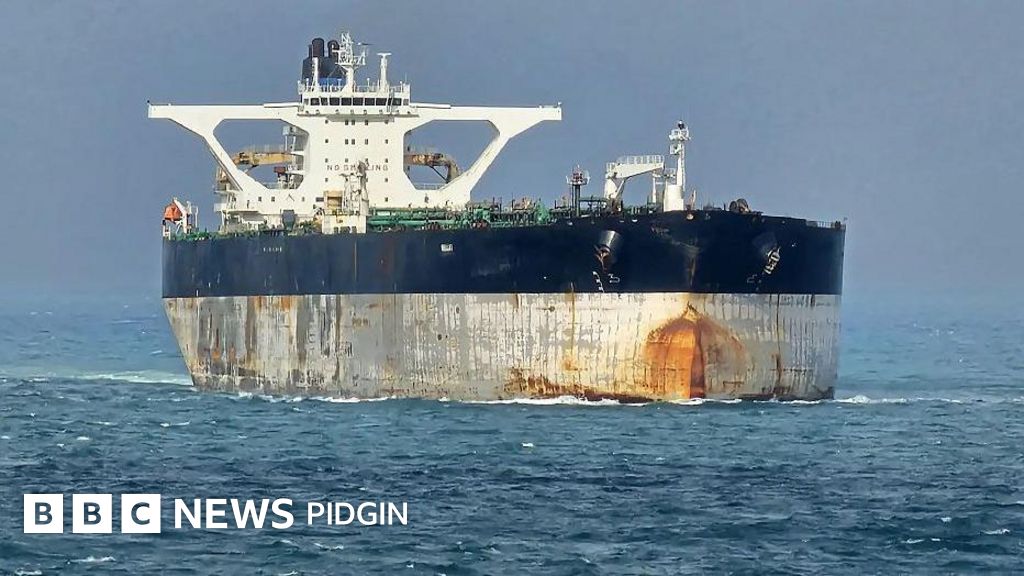
U.S. authorities, supported by the UK, seized the Russian-flagged tanker Marinera (formerly Bella 1) in the North Atlantic under a U.S. court order alleging links to sanction evasion and shipments tied to Venezuela and Iran; the vessel is owned by Louis Marine Shipholding Enterprises SA, a Turkish-based company the Treasury has sanctioned for ties to Iran's IRGC/Quds Force. The U.S. also interdicted M/T Sophia in the Caribbean and says crew may be brought to the U.S. for prosecution, signaling stepped-up enforcement against a so-called Venezuelan 'shadow fleet.' The actions increase legal and geopolitical risk around sanctioned oil flows and could modestly tighten markets sensitive to Venezuelan/Iranian crude supply.
Market structure: The US/UK seizure signals active disruption of the “shadow fleet” which should remove several hundred kb/d of irregular Venezuelan/IR-linked flows from global market visibility; expect a tactical premium to Brent/WTI of ~2–4% over 2–8 weeks and a 10–25% spike in regional Aframax/Suezmax freight rates as charterers rebook secure tonnage. Winners: compliant listed tanker owners (short-to-medium haul product/tanker specialists) and surveillance/defense contractors; Losers: sanctioned counterparties, insurance/reinsurers with exposure to black-market lifts, and buyers relying on stealth supply channels.
Risk assessment: Tail risks include escalation (retaliatory seizures or cyberattacks) that could disrupt Mediterranean/Atlantic shipping lanes or prompt Russia/Iran to reroute via riskier longer voyages, sustaining higher freight and oil prices for quarters; low-probability high-impact moves could push Brent +10% in 1–3 months. Immediate horizon (days): volatility and FX safe-haven flows; short-term (weeks–months): rerating of tanker daily rates and insurance premia; long-term (quarters+): structural deterrent effect shrinking shadow fleet capacity if enforcement continues.
Trade implications: Direct plays — tactical long crude via 1–2 month Brent call spreads (target +3–5% move) and selective longs in listed, low-sanctions-risk tanker owners (Scorpio Tankers STNG, Euronav EURN) 1–3% portfolio weights; pair trade — long STNG (1.5%) / short Frontline (FRO) (1.5%) to capture premium compression vs. sanctioned-exposed peers. Options — buy 1–3 month put protection on exposed shipping names (FRO 12–18% OTM puts) and buy short-dated straddles on Brent if seizure count rises >1 in 30 days. Entry/exit: enter within 72 hours to 2 weeks; trim if Brent rallies >5% or OFAC penalties pause for 60 days.
Contrarian angles: The market may be underestimating capacity reallocation — legitimate owners can capture outsized dayrates, making tanker equities understudied beneficiaries if enforcement persists; conversely, if seizures are legal-show actions without follow-through (no sustained OFAC cascade), the oil-price spike will fade within 4–8 weeks. Historical parallels (Hormuz tanker seizures 2019) show short-lived oil spikes but multi-quarter freight uplifts when insurers raise war-risk premiums. Watch for unintended consequences: heavier policing could push more cargoes to long-haul routings (raising ton-mile demand) which benefits global tanker fleets more than majors.
AI-powered research, real-time alerts, and portfolio analytics for institutional investors.
Request DemoOverall Sentiment
mildly negative
Sentiment Score
-0.25
