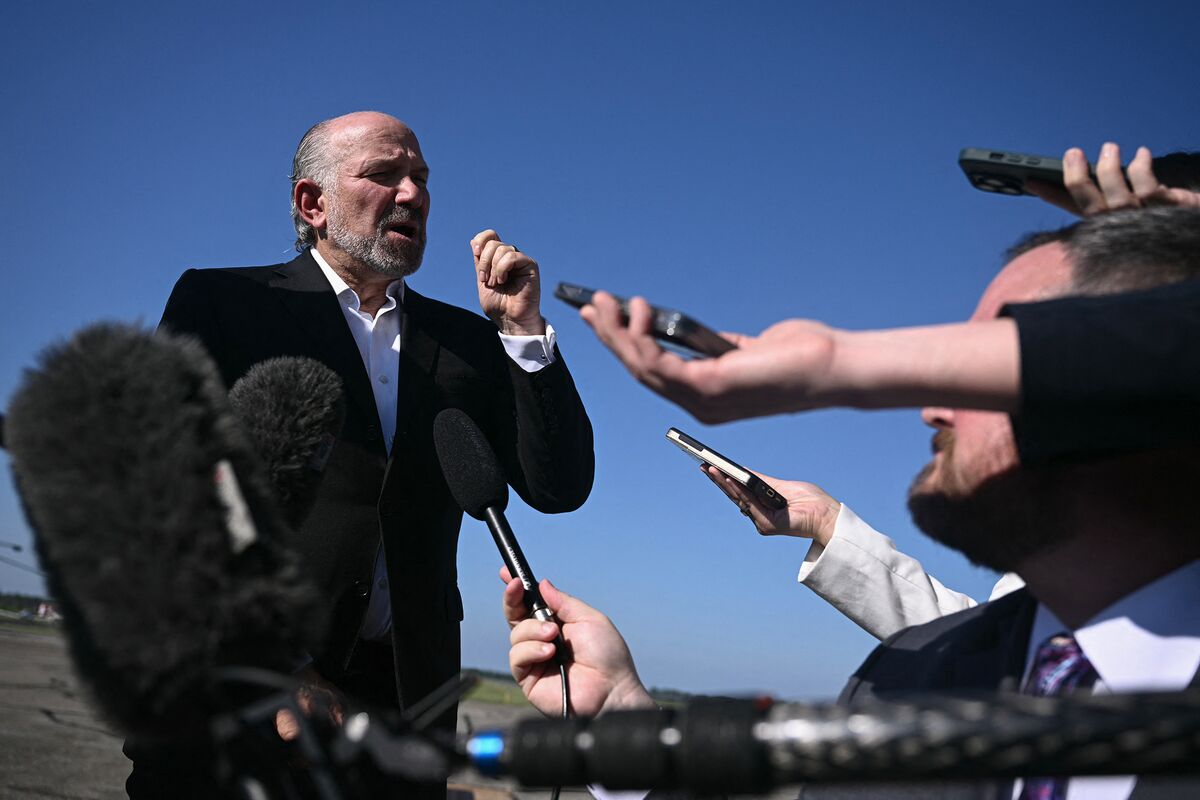
Commerce Secretary Howard Lutnick confirmed President Trump's country-by-country tariffs will now take effect August 1, pushing back from a previously set July 9 deadline and offering trading partners some breathing room. However, President Trump stated that most countries are still expected to finalize deals or receive official tariff letters by July 9, with notifications beginning immediately, indicating continued pressure despite the delayed effective date.
The implementation of President Trump's country-by-country tariffs has been formally delayed until August 1, as confirmed by Commerce Secretary Howard Lutnick, pushing back the economic impact from the previously cited July 9 deadline. This delay provides a short-term reprieve for US trading partners. However, this is counterbalanced by President Trump's remarks indicating that the July 9 date remains a critical deadline for finalizing deals or issuing tariff notification letters, with such communications expected to commence immediately. This creates a two-tiered timeline where diplomatic pressure remains acute, while the actual tariff collection is deferred. The conflicting signals—a delayed implementation versus an imminent action deadline—introduce significant uncertainty and suggest that while the immediate financial impact is postponed, market risk tied to trade negotiations remains elevated.
AI-powered research, real-time alerts, and portfolio analytics for institutional investors.
Request DemoOverall Sentiment
mixed
Sentiment Score
0.10
