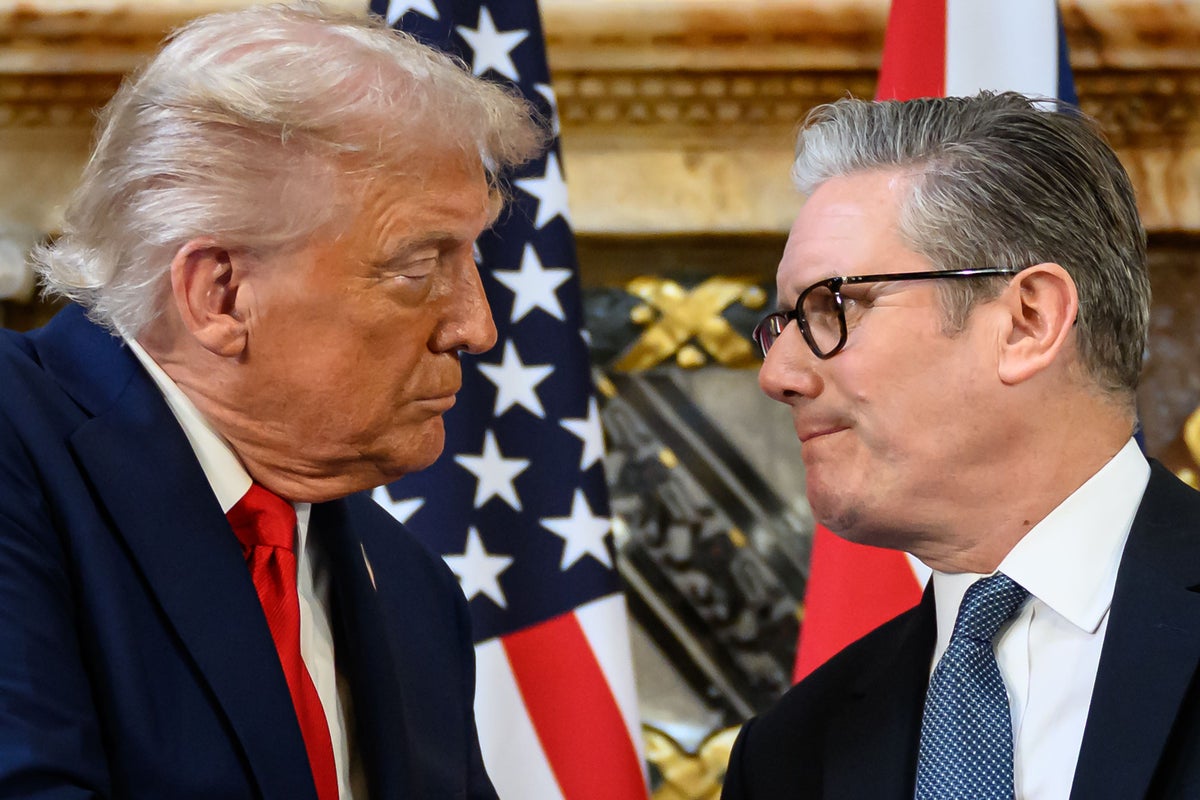
Experts forecast household energy costs could rise by an average £288 from July. Prime Minister Sir Keir Starmer called for closer UK-EU cooperation to manage fallout from the US-Israeli-Iran conflict, defended refusing to rejoin the customs union/single market, and pushed back against Donald Trump’s threat to leave NATO. The government will chair international talks and military planners will assess reopening the Strait of Hormuz—action that could materially affect oil supplies and inflationary pressures. Chancellor Rachel Reeves signalled targeted support rather than a universal energy bailout, suggesting limited fiscal relief.
An Iran-related disruption to Gulf exports creates a multi-channel shock to UK macro: instantaneous oil and tanker-rate spikes transmit into wholesale energy and shipping costs, widening the trade deficit and exerting upward pressure on UK CPI over the next 1–4 quarters. With limited fiscal headroom and political resistance to blanket subsidies, real incomes will compress, disproportionately hitting discretionary consumption and store-footprint retailers while amplifying demand for energy hedges and protectionism in logistics contracts.
A political pivot toward closer EU coordination (short of re‑entry) is likely to generate concentrated benefits for regulated goods exporters and cross‑border supply chains—automotive suppliers, aerospace OEMs, and chemicals—through faster customs cooperation and mutual regulatory recognition. Services and financial flows are unlikely to see material restoration quickly; that means UK-listed global manufacturers are structurally better placed than London-listed domestic retailers or consumer finance names to capture any easing of frictions over 6–24 months.
Defense and maritime-security spending is the latent second‑order trade: if NATO credibility is perceived to be weakening, governments will front‑load procurement and sea‑lane protection contracts—favouring primes with near‑term backlog conversion and suppliers of ISR and shipborne systems. Reversal paths are clear: a durable ceasefire, coordinated SPR releases, or rapid LNG/alternative-route ramp would compress risk premia within weeks; political gridlock on UK‑EU cooperation would mute the longer-term supply‑chain upside over years.
AI-powered research, real-time alerts, and portfolio analytics for institutional investors.
Request DemoOverall Sentiment
mildly negative
Sentiment Score
-0.25
