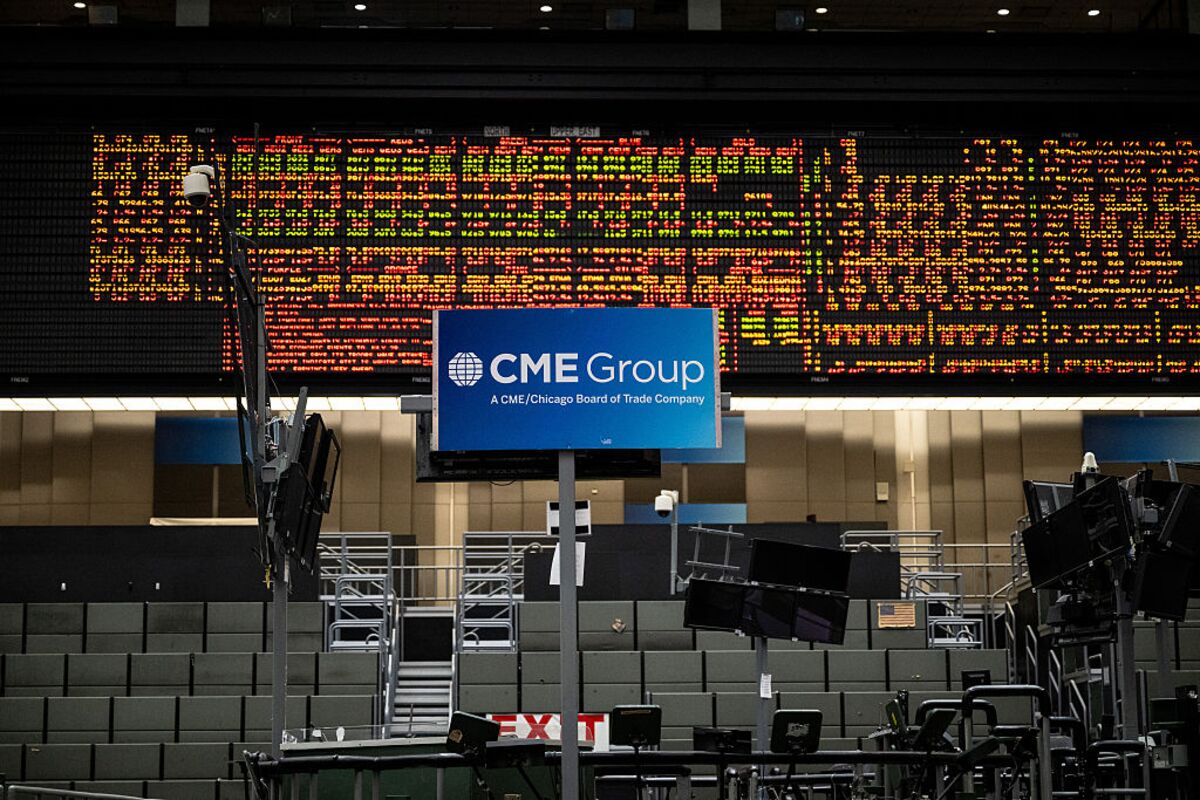
An operational fault at a CME data center forced the Chicago Mercantile Exchange to halt trading in futures and options, spilling over into multiple markets and affecting contracts covering trillions of dollars in notional exposure. The outage prevented global participants from managing risk, raised immediate liquidity and volatility concerns, and is likely to prompt scrutiny of exchange resiliency and contingency procedures.
Market structure: The immediate winners are rival clearing/exchange operators (ICE, ticker ICE; Eurex) and data-feed/cloud providers as clients route flow; direct losers are CME (ticker CME) revenue-at-risk from trading halts, high-frequency/prop shops and brokers reliant on continuous futures liquidity. Expect bid-ask spreads on futures to widen 20–50% intraday for 24–72 hours and basis dislocations between cash and futures to spike, pressuring repo and funding desks that use futures to hedge.
Risk assessment: Tail risks include a cascading margin-event if outages persist (stress scenario: >48-hour outage triggers $1–5B incremental margin calls and client defaults) and fast regulatory/antitrust scrutiny with fines >$200M if negligence found. Immediate (days) — liquidity and volatility spikes; short-term (weeks–months) — client migration and litigation costs; long-term (quarters–years) — capex for redundancy, possible fee concessions lowering structural margins by 1–3ppt.
Trade implications: Tactical relative-value: long ICE vs short CME for 1–3 months (see sizing below). Buy CME downside protection via 3-month put spreads to hedge a 5–12% drawdown; allocate 0.5–1% to short-dated VIX call spreads (30–60 days) to protect against episodic volatility. Rotate 1–3% of cash into US T-bills (1–3M) for liquidity and reduce levered exposure in systematic/prop strategies until CME publishes remediation within 30–90 days.
Contrarian view: Consensus assumes permanent share loss; history (NYSE/NASDAQ tech outages, 2013 BATS/CBOE incidents) shows reversion once SLA fixes and client credits are issued. If CME equity falls >7% on this single event and remediation milestones are met within 90 days, the sell-off will be overdone — CME’s clearing monopoly and fee annuity create a buying opportunity for disciplined, staged accumulation.
AI-powered research, real-time alerts, and portfolio analytics for institutional investors.
Request DemoOverall Sentiment
strongly negative
Sentiment Score
-0.65
Ticker Sentiment
