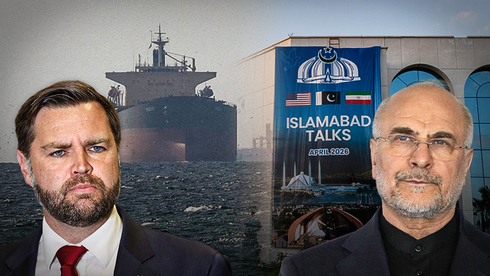
Direct U.S.-Iran talks in Islamabad focused on reopening the Strait of Hormuz, a route carrying about one-fifth of global oil supply, and on easing ceasefire tensions. Two U.S. destroyers transited the strait unimpeded, suggesting shipping lanes may be less constrained than Iran claims, but the situation remains fragile and could affect oil, shipping, and regional risk pricing. The article also signals possible escalation in Lebanon and continued uncertainty around the ceasefire and negotiations.
The market is underpricing how quickly a “soft reopening” of Hormuz can de-risk the entire energy complex without requiring a formal peace deal. The key second-order effect is on insurance, not just headline shipping lanes: once a few large tankers transit without incident, freight rates and war-risk premia can compress faster than spot crude reacts, pressuring a chunk of the geopolitical premium embedded across energy, shipping, and defense names. That argues for a near-term fade in oil volatility even if outright prices stay supported by caution. The bigger asymmetry is in logistics and downstream users rather than upstream producers. If vessel passage normalizes before mine-clearing is fully resolved, the market will likely rotate from “supply shock” to “margin relief,” benefiting refiners, airlines, chemicals, and select industrials that had been pricing in prolonged disruption. Conversely, any re-escalation around mine claims or proxy harassment would hit the same names abruptly because the bottleneck is binary and insurance-driven: one serious incident can freeze traffic long before physical supply is actually lost. The ceasefire dynamic also creates a tactical trap for defense equities. Near-term headlines about renewed strikes and Iranian posture can support the sector, but a negotiated extension of the truce would reduce the probability of sustained munitions burn and air-defense demand over the next 1–3 months. The contrarian read is that the “limbo” itself is bearish for broad risk assets only at the margins; the bigger market effect may be a volatility crush if Washington and Tehran keep producing just enough progress to avoid immediate escalation. The key catalyst window is days, not months: any preliminary Hormuz framework or public pause on naval harassment should trigger a fast repricing in crude risk premium and tanker insurance. The risk to that view is that Tehran uses the talks to extract concessions while preserving coercive leverage, which would keep freight and insurance elevated even absent overt attacks. That makes this a classic headline-driven tape where the first real signal is not a statement, but an uninsured ship actually transiting multiple times without incident.
AI-powered research, real-time alerts, and portfolio analytics for institutional investors.
Request a DemoOverall Sentiment
neutral
Sentiment Score
-0.05
