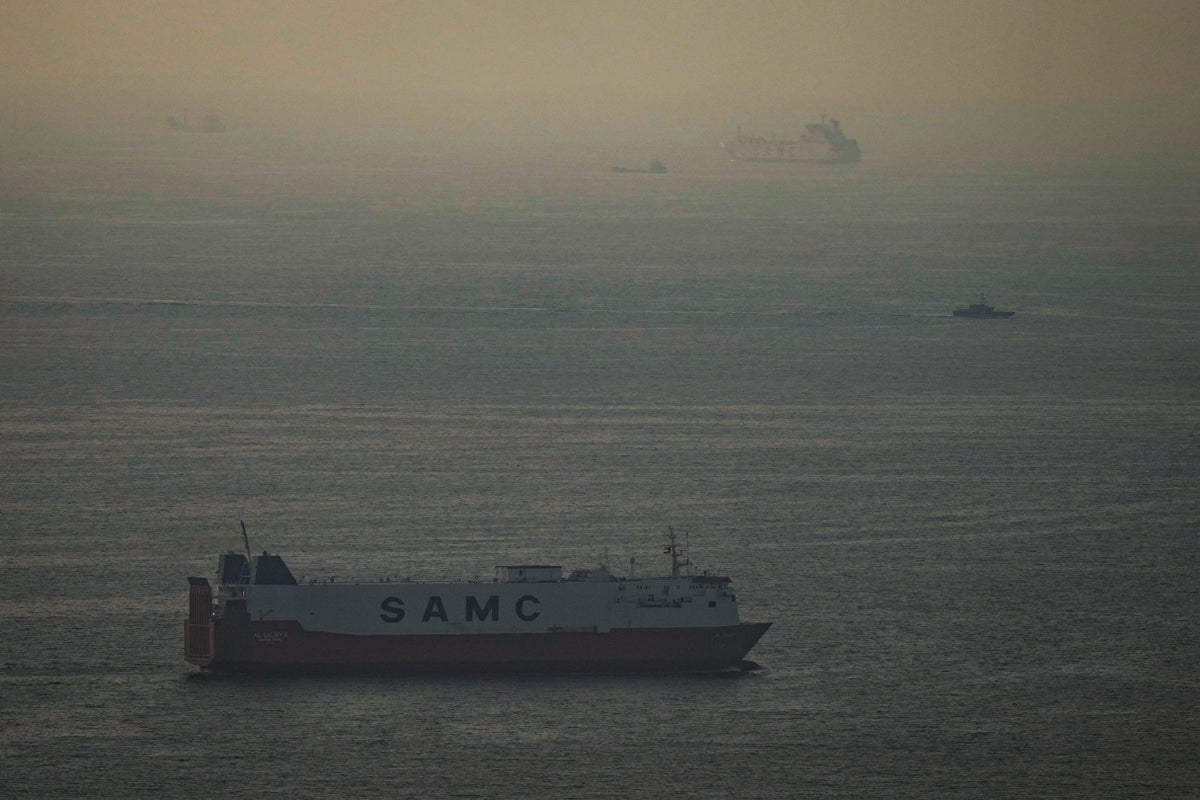
The Strait of Hormuz has been effectively disrupted by Iranian attacks on commercial shipping, creating material downside risk to global oil flows and fueling a global fuel-supply shock. Militarily reopening the strait would require a two-phase campaign (offensive strikes against coastal targeting infrastructure and an extended reassurance/escort operation), large numbers of naval assets (roughly 1–2 warships per escort), airborne surveillance, and time-consuming mine-clearance operations (weeks to months). US leaders are reluctant to divert air and naval assets from primary objectives (neutralizing Iran's missile, nuclear, naval and proxy capabilities) and to expose crews (a single warship carries >200 personnel) to asymmetric threats from drones, uncrewed surface vessels and cruise missiles.
The operational reality in the Strait creates a multi-layered cost shock that markets are not pricing symmetrically: rerouted tankers and bulkers add ~10–15 days per voyage and raise voyage costs by an estimated 20–30%, which flows almost immediately into freight rates, charterer spot spreads and refinery feedstock differentials. Insurance and war-risk premia are acting like a tax on trade — short-term spikes in P&I and hull war surcharges compress netbacks for exporters and accelerate onshore storage builds, tightening spot supply even if physical production is intact.
Military constraints mean mine-clearance and sustained ISR/escort operations are likely measured in weeks-to-months, not days; that makes elevated energy price volatility the base case for 1–6 months absent diplomatic resolution. The critical catalytic paths are (a) a successful, rapid neutralization of coastal launch infrastructure (reduces threat in 2–6 weeks), (b) confirmation of no-mines via reconnaissance (weeks), or (c) an international convoy regime — each has materially different market impacts.
Second-order winners are specialty maritime owners and MCM (mine countermeasures) supply chains: ROV/diver services, port storage operators and select shipyards will see durable revenue uplift if escorts and clearance persist beyond a month. Conversely, demand-sensitive sectors (airlines, container integrators) bear asymmetric downside from sustained fuel and insurance inflation. The consensus underestimates the probability of a prolonged “partial closure” scenario where traffic is permitted but uneconomical for many shippers — that outcome keeps energy volatility and freight premia elevated for quarters.
AI-powered research, real-time alerts, and portfolio analytics for institutional investors.
Request DemoOverall Sentiment
neutral
Sentiment Score
0.00
