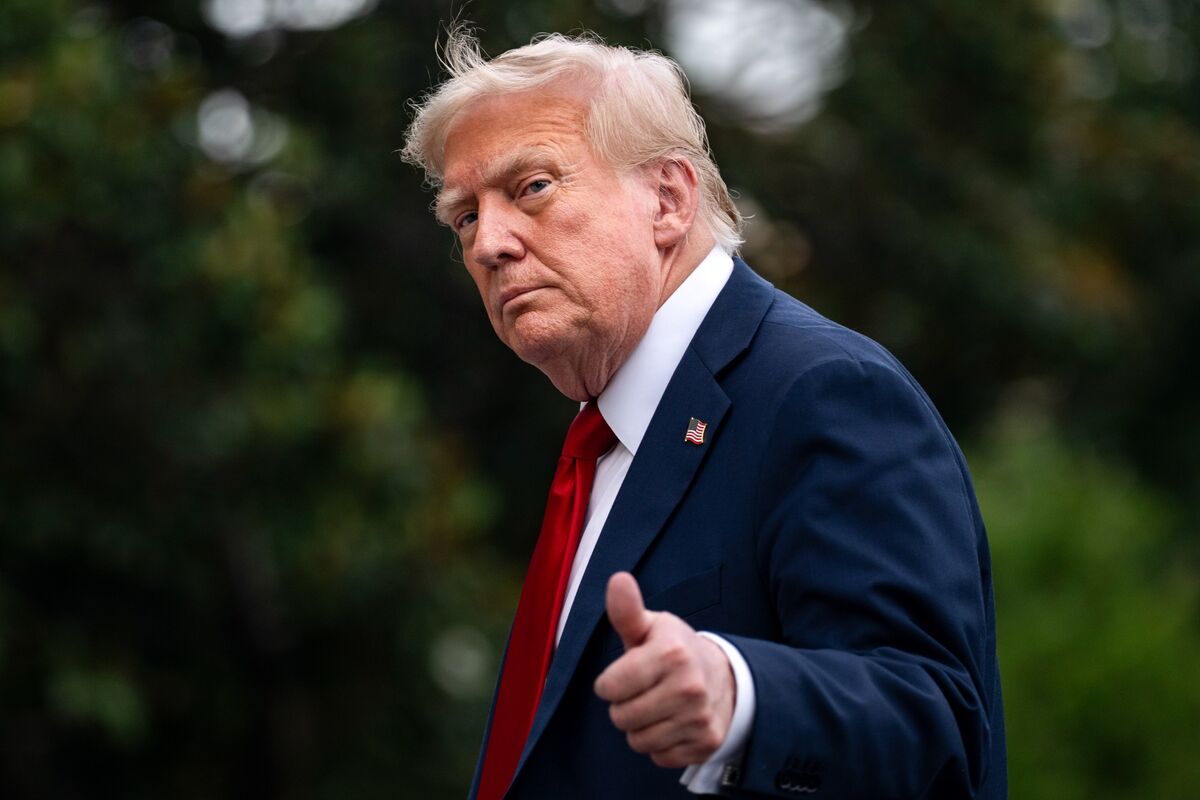
President Trump's recent threats to impose 30% tariffs on the European Union and Mexico have introduced significant market uncertainty, leading to lower US stock futures and falling Treasuries. While traders largely view these actions as a bargaining tactic, the intensified trade war measures are testing market resilience, particularly as the S&P 500 was trading near record highs.
The threat of a 30% tariff on the European Union and Mexico, as articulated by the US President, is introducing significant geopolitical risk and market uncertainty. This has prompted an immediate negative reaction, evidenced by lower US stock futures and a fall in US Treasuries, signaling broad-based de-risking. The timing of this intensified trade rhetoric is particularly challenging for markets, as it tests the resilience of an S&P 500 that has been trading near record highs. While the prevailing view among traders is that these threats are a bargaining tactic and that final tariffs will be softer, the current ambiguity is a clear headwind. The concurrent mention of a Bitcoin surge suggests capital may be rotating into non-traditional assets amid instability in both equities and sovereign debt, a dynamic that warrants attention despite the lack of detail in the report.
AI-powered research, real-time alerts, and portfolio analytics for institutional investors.
Request DemoOverall Sentiment
moderately negative
Sentiment Score
-0.55
