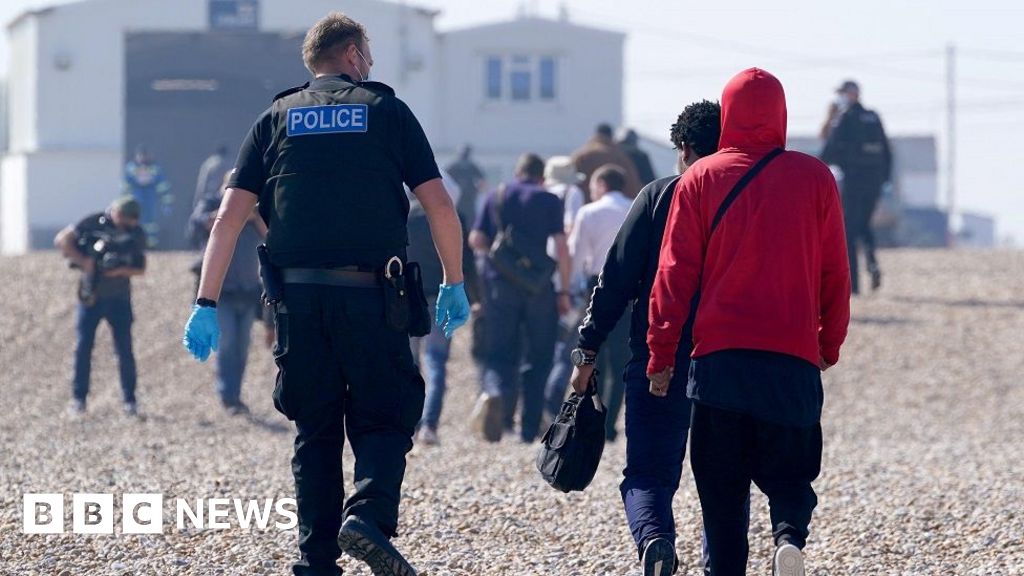
Home Secretary Shabana Mahmood unveiled a wide-ranging asylum overhaul modelled on Denmark that would make refugee status temporary (reviewed every 30 months), raise the period before settlement/indefinite leave from five to 20 years, narrow appeals by creating a single consolidated appeal and recalibrate ECHR protections (limiting family-based stays and tightening Article 3), and tighten the Modern Slavery Act. The package would remove the Home Office’s duty to guarantee housing and weekly support for many asylum seekers, require contribution of assets toward accommodation, create capped new legal routes (community and employer sponsorship with a streamlined ten-year route to settlement), and deploy technology such as AI age checks and a digital ID while threatening visa bans and sanctions for countries that refuse returns (naming Angola, Namibia and the DRC). The measures are explicitly designed to deter irregular migration and cut costs, but will prompt legal and diplomatic friction, require operational changes for employers and sponsors, and reorient some migrants toward work/study pathways with implications for labor supply and public expenditure.
Home Secretary Shabana Mahmood has unveiled a comprehensive asylum overhaul modeled on Denmark that makes refugee status temporary with reviews every 30 months, extends the minimum residency period for settlement from five to 20 years, and funnels newcomers toward a new work-and-study visa route (only those on that route may sponsor family). The package removes the blanket Home Office duty to guarantee housing and weekly support for many asylum seekers, requires asset contributions toward accommodation, signals an end to hotel use by 2029 (hotels cost the government £5.77m per day last year) and introduces capped legal routes with a streamlined ten-year settlement pathway.
On legal protections, ministers will replace multiple appeals with a single consolidated appeal, recalibrate Article 8 and narrow Article 3 ECHR applications, tighten the Modern Slavery Act to discount late disclosures, and create an independent appeals body; the government also plans to explore forced returns (including to Syria) and to impose visa penalties on non-cooperating states, naming Angola, Namibia and the DRC. These changes are designed to speed removals and deter irregular migration but materially increase the risk of litigation, diplomatic friction and operational complexity for the Home Office.
Policy implementation creates sectoral winners and losers: reduced government accommodation obligations and the planned end to hotels imply downside for contractors and providers reliant on asylum housing revenues, while mandated digital ID by the end of Parliament and wider rollout of AI-driven age verification boost demand for identity- and compliance-technology vendors. Market signals show a mildly negative sentiment and a modest market-impact score (0.32), indicating meaningful policy risk to public spending and to firms exposed to asylum support, immigration compliance and enforcement workflows.
AI-powered research, real-time alerts, and portfolio analytics for institutional investors.
Request DemoOverall Sentiment
mildly negative
Sentiment Score
-0.30
