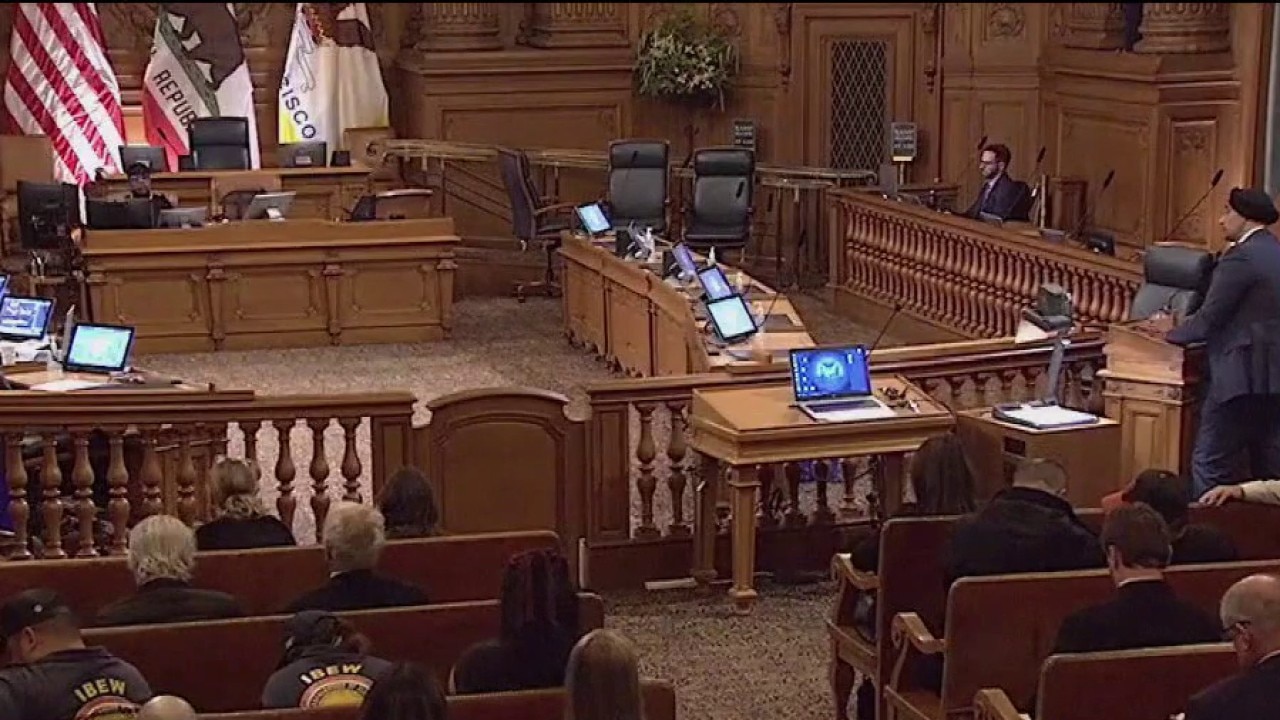
PG&E executives faced sharp questioning after a December 20 substation fire cut power to roughly 137,000 San Francisco customers (about one-third of the city), with outages lasting up to three days for some. CEO Sumeet Singh said an independent investigation — with a report expected in March — has been launched; the company has issued a $2,500 customer credit but faces criticism over a cumbersome eight-page claims process, internal communication failures, repeated equipment failures at the same substation despite prior investments, and the prospect of further regulatory hearings and potential costs or penalties.
Market structure: The immediate winner set includes vendors of backup generation, batteries and grid-modernization (e.g., Generac, Eaton, Enphase) as commercial demand for resiliency will likely rise; PCG (PCG) is the direct loser given customer, political and operational scrutiny. Regulatory dynamics favor ratepayer protection but also allow utilities to recover prudently incurred reliability capex via rate cases, which mutes permanent demand destruction; expect incremental distributed energy adoption vs. centralized dependence over 12–36 months. Cross-asset: anticipate PCG equity volatility and a 20–50bp widening in corporate/utility credit spreads on headline risk, higher implied vols in PCG options, modest upside for diesel/nat-gas genset demand and no immediate FX impact.
Risk assessment: Tail risks include a punitive CPUC ruling, large civil suits, or a forced remedial capex program costing hundreds of millions–low billions, any of which could materially impair equity and credit. Timeframe: immediate (days) for reputational flow and claims; short-term (weeks–months) to March investigation and customer payouts; long-term (12–36 months) for regulatory rate treatment and capital programs. Hidden dependencies: insurance limits, PUC cost-pass-through rules, and potential bond covenants; catalysts are the March report, CPUC/DOJ/municipal hearings, and any repeat outage.
Trade implications: Direct: hedged short on PCG equity via limited-duration put or put-spread ahead of March; pair trade PCG short vs. long NextEra (NEE) or XLU for relative safety. Options: prefer buy 2–6 month put spreads to cap premium, or sell calls covered if owning replacement names. Sector rotation: underweight exposed incumbents, overweight grid resiliency suppliers (6–18 month horizon). Entry: establish positions 30–60 days pre-March report; exit or re-evaluate within 7 trading days after report release.
Contrarian: The market may overstate permanent downside to PCG because regulators commonly permit recovery of prudently incurred upgrades—this can cap losses and make deep put prices rich. Historical parallels (PG&E wildfire liability cycle, 2017–2019) show headline crises can trigger heavy short-term drawdowns but eventual cost pass-through and credit stabilization; therefore, outright large asymmetric shorts are risky without credit hedges. The mispricing to hunt is elevated implied vol in short-dated puts; the unintended consequence of aggressive short positions is being caught by rate-case pass-through that socializes capex, protecting the equity.
AI-powered research, real-time alerts, and portfolio analytics for institutional investors.
Request DemoOverall Sentiment
moderately negative
Sentiment Score
-0.45
Ticker Sentiment
