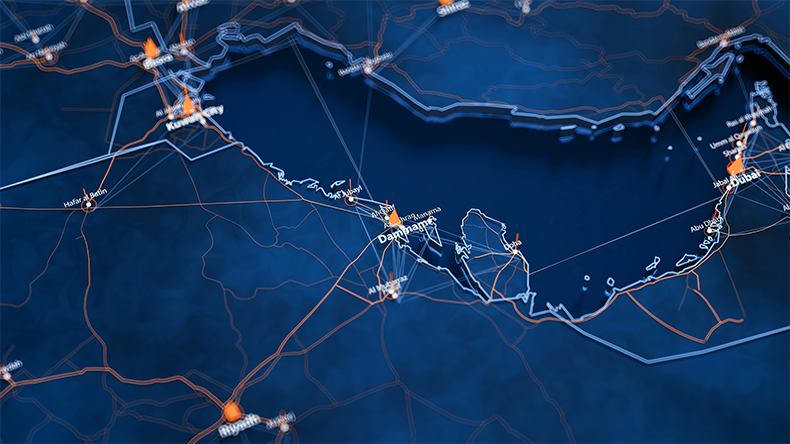
Three Omani-flagged vessels (two VLCCs and one LNG carrier) are attempting eastbound transits of the Strait of Hormuz while avoiding the Iran-approved corridor, and are sailing unusually close to the Omani coast per AIS. If successful these would be the first ships tracked not using the Iranian corridor in nearly three weeks and would mark the first LNG transit since the war began. The move could signal incremental shifts in routing and heighten short-term risk premia for shipping and insurance, with potential localized impacts on crude and LNG flow reliability through the chokepoint.
Market participants treating flagging and coastal hugging as an operational workaround is a signal the marginal cost of transiting the chokepoint has risen more in perceived risk than in nautical miles. That gap — insurance, war-risk premiums, vetting and the need for dark/deliberate transits — creates a non-linear premium that shows up first in spot freight volatility and second in buyers’ willingness to accept prompt cargoes. Expect the immediate winner to be owners with spot-exposed, modern VLCC/LNG tonnage and charterers with flexible delivery windows; the loser is anyone running tight prompt crude/LNG cover where a 7–21 day visibility gap forces expensive replacement cargoes.
If these Omani-flagged transits stick for a week or two, downside for near-term Brent upside is real because physical throughput is being preserved via substitution rather than cut. Conversely, a single interdiction or credible threat (naval incident, missile strike, or a high-profile seizure) would blow up risk premia — freight FFAs can reprice +30–60% within 72 hours based on recent analogs; commodity spreads (Brent vs WTI, TTF vs JKM) can gap similarly. The practical timescales: tactical freight and options moves resolve in days–weeks, balance-of-season repositioning and charter refleeting play out over 3–12 months.
Second-order effects to monitor: increased AIS manipulation and dark transits raise counterparty and counter-fraud risk for banks financing cargoes and for insurers writing excess war-risk layers, which could tighten trade finance and push some mid-size buyers to term contracts or alternative basins (West Africa/USGC) — that rerouting will reweight refinery crude slates over quarters. Catalysts that reverse the current behavior are clear — credible diplomatic de-escalation, an elevated multinational escort program restoring visible safe lanes, or a sustained sequence of uneventful successful transits that collapses the opaque premium — each would drain freight and commodity basis premia rapidly.
AI-powered research, real-time alerts, and portfolio analytics for institutional investors.
Request DemoOverall Sentiment
neutral
Sentiment Score
0.00
