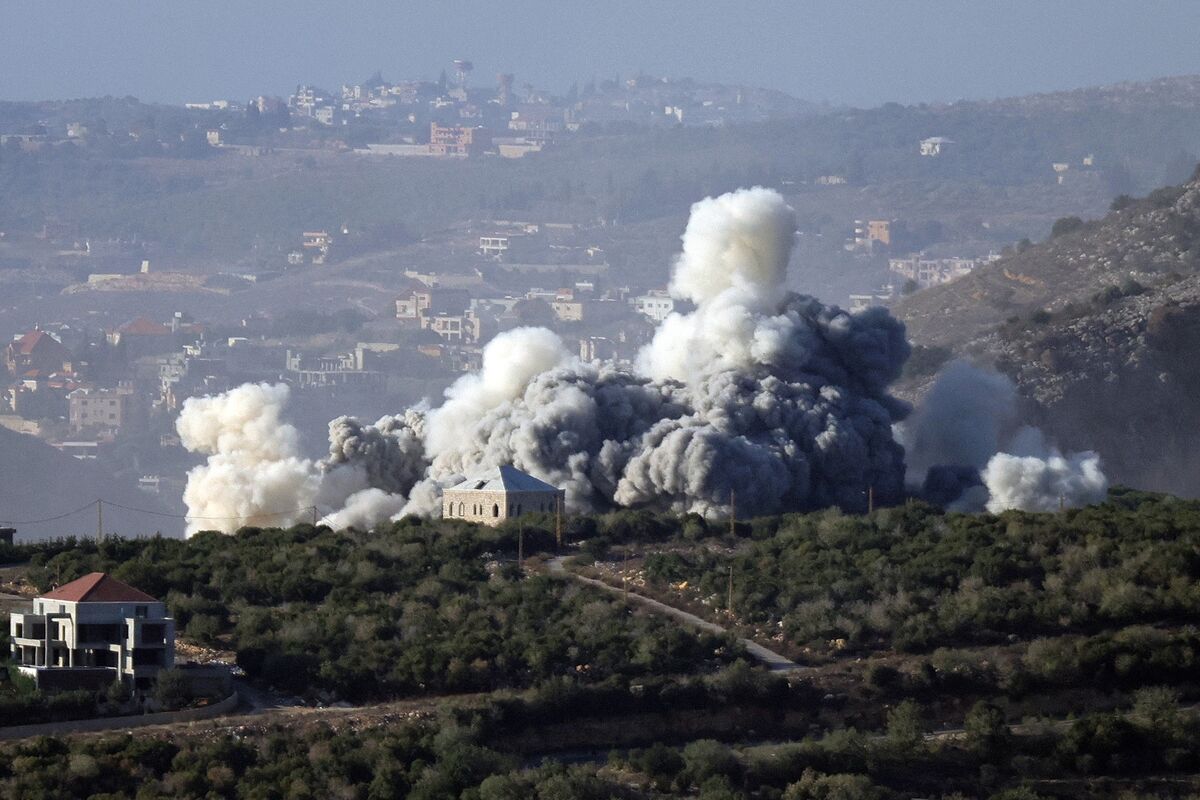
Lebanon and Israel sent negotiators to a rare summit overseen by a US-led committee to address tensions from last year’s ceasefire with Hezbollah amid concerns the group is attempting to rearm. Lebanon named former ambassador Simon Karam to lead its delegation and Israel’s prime minister instructed a representative to attend, signaling both sides are engaging diplomatically to try to defuse the situation. The talks, while aimed at preventing escalation, keep regional security risks elevated and could sustain higher risk premia and safe-haven flows with potential knock-on effects for regional asset and energy markets.
Market structure: Near-term winners are global defense primes (Lockheed Martin LMT, Raytheon RTX, Northrop NOC) and commodity safe-havens (gold GLD, oil XLE/XOM) as sovereign-risk premia and government procurement budgets reprice; losers are regional tourism, small-cap Israeli equities and Lebanese/EM financials where capital access is already strained. Competitive dynamics favor large, integrated defense contractors with filled backlogs and price-setting power—expect 3–12 month order visibility and margin resilience versus cyclical travel and regional banks facing deposit flight and higher funding costs.
Risk assessment: Tail risks include escalation to a broader regional confrontation or Iranian involvement (low probability <10% over 6 months, high impact: oil +$10–20/bbl, EM CDS +200–500bps). Immediate (days) effects: risk‑off flows to USD/JPY, gold and front-month oil; short-term (weeks–months): sovereign yield widening and defense contract announcements; long-term (12–36 months): structurally higher defense capex and insurance costs. Hidden dependencies: US congressional timing on military aid, Iranian proxy calculus, and winter energy demand that could amplify commodity moves.
Trade implications: Favor overweight in large-cap defense equities (3–4% combined portfolio weight) and a small tactical oil call spread plus gold as convex tail hedges; underweight Israeli-duration and travel/leisure exposures with portable short/put protection on MSCI EM (EEM) or regional ETFs. Use options to size asymmetric risk — keep directional exposure limited (<=3–4% each) with stop/triggers tied to CDS/oil thresholds to avoid regime shifts.
Contrarian angles: Market may be pricing perpetual escalation; the convening of talks is a de-escalation signal that could trigger a mean reversion in defense knee‑jerk rallies — if LMT/RTX jump >15% in 2–4 weeks, consider trimming. Historical parallels (2006 Lebanon war) show brief spikes then reversion; unintended consequences include higher global rates from fiscal defense responses, which hurt long-duration assets. Key thresholds to watch: WTI +$10, Israeli 10y yield +30bp, regional CDS +100bp — each should materially alter position sizing.
AI-powered research, real-time alerts, and portfolio analytics for institutional investors.
Request DemoOverall Sentiment
mildly negative
Sentiment Score
-0.25
