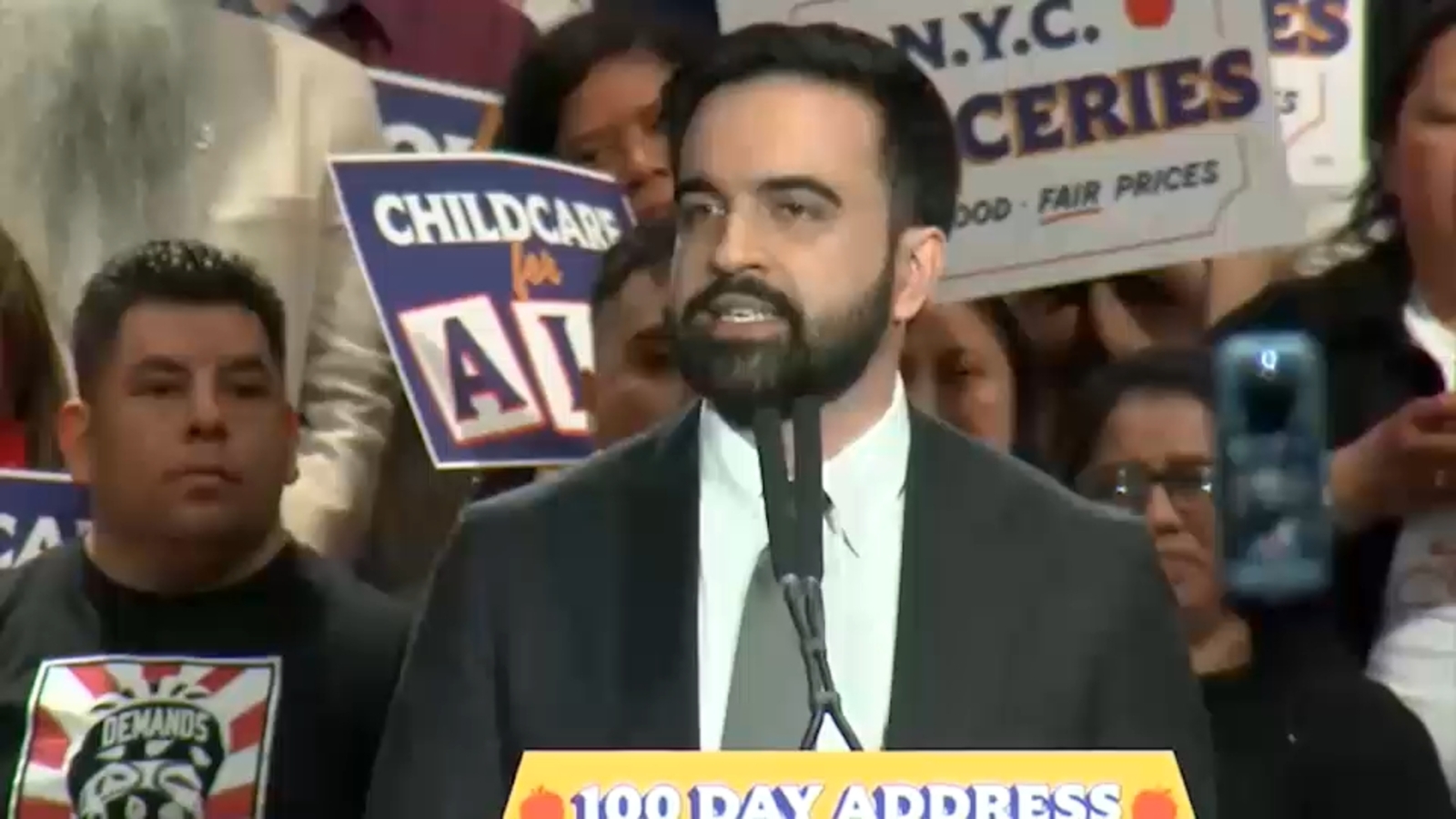
Mayor Zohran Mamdani said the first city-run grocery store will open in Hunts Point, Bronx, by year-end in a 20,000-square-foot space at The Peninsula affordable housing complex. The plan calls for five city-run stores, one in each borough, with the city funding construction or renovations and a private contractor handling operations and discounted everyday staples. The first announced location, La Marqueta in East Harlem, is slated to open by 2029.
This is less a grocery-store story than a localized subsidy to household real income, which is politically attractive because it is visible and immediate. The second-order effect is competitive pressure on incumbent urban grocers, bodegas, and private-label distributors in the affected neighborhoods, but the broader market signal is about public-sector willingness to underwrite low-margin retail as a quasi-welfare instrument. If successful, it creates an investable template that could spread to other municipal services with similarly thin operating economics, especially where housing and food insecurity overlap.
The key market implication is not on a single listed retailer but on the margin structure of urban grocery formats. Discounted public stores may pull traffic away from independent bodegas first, then from lower-income-format chains by forcing price matching on basket staples; the winners are likely national CPGs with the most elastic distribution and the ability to protect shelf space through promotions, while private-label and local wholesalers face the most pricing pressure. Over time, the more meaningful channel is real-estate optionality: publicly anchored grocery access can raise foot traffic and perceived neighborhood stability, modestly supporting nearby affordable-housing absorption and reducing vacancy risk in mixed-use assets.
The risk is execution. A municipally sponsored retailer with outsourced operations can look efficient on opening day and still fail on shrink, labor scheduling, and assortment discipline within 6-18 months, especially if the store is expected to maintain price cuts while absorbing urban wage and logistics costs. If early consumer response is strong but margins deteriorate, the political narrative can reverse quickly, turning a symbolic win into a budgetary embarrassment and slowing expansion to the other boroughs. That makes the first 2-4 quarters after launch the key catalyst window; beyond that, the question becomes whether the model is self-funding or permanently dependent on subsidy.
The contrarian view is that the market may be underestimating the signaling value to private capital: if city-run stores truly de-risk food access in underserved areas, they can catalyze adjacent private investment rather than crowd it out, especially in mixed-income developments. In that case the real beneficiaries are not grocers but owners of neighborhood retail strips, transit-adjacent housing, and logistics nodes that serve small-format replenishment. The tradeable edge is to lean into assets that benefit from neighborhood stabilization, not the store operator itself.
AI-powered research, real-time alerts, and portfolio analytics for institutional investors.
Request DemoOverall Sentiment
neutral
Sentiment Score
0.12
