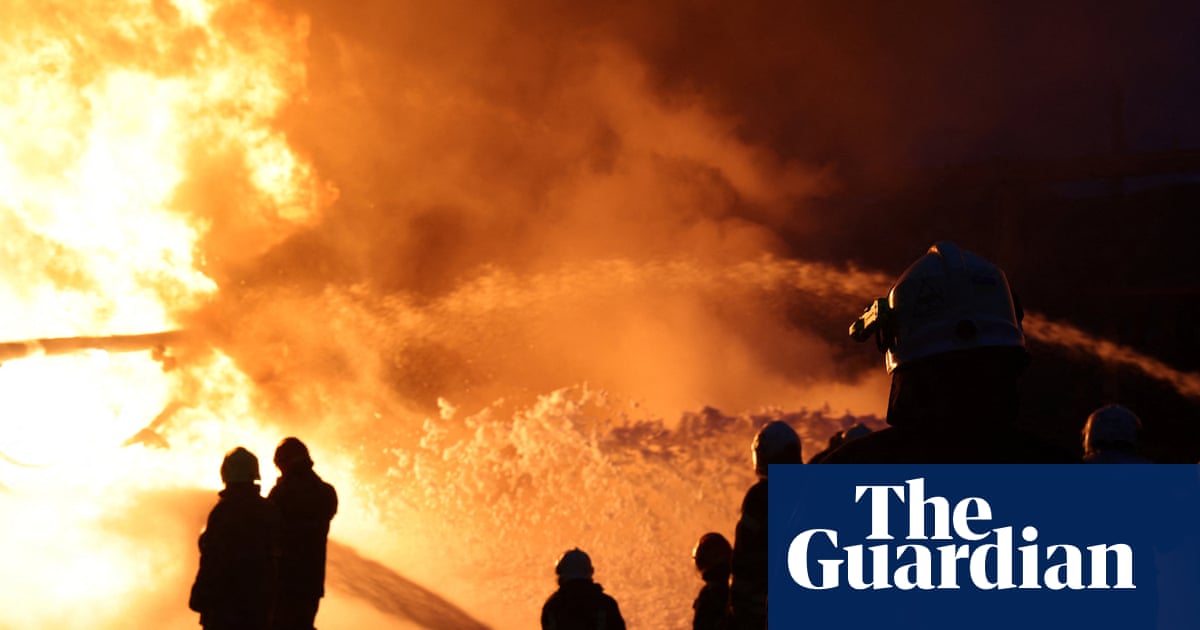
The Kremlin welcomed elements of the Trump administration’s new national security strategy as largely aligned with Russian positions even as White House envoys press a final-stage Ukraine peace framework that neither Kyiv nor Moscow appear ready to sign. Key sticking points include territory, security guarantees and the fate of the Zaporizhzhia nuclear plant; Zelenskyy is due to meet UK, French and German leaders amid difficult US talks and a two-hour call with US officials. Meanwhile Russia continues strikes on energy infrastructure—more than 600 drones and 50 missiles were used on Friday night, a combined attack left Kremenchuk largely without power and water, and one person was killed in Chernihiv—raising winter energy-security risks and political instability in Kyiv.
Market structure: A negotiated US-Russia rapprochement narrative is a win for Russian hydrocarbon suppliers (pressure to re-open pipelines or exports) and a near-term negative for European energy security; simultaneously, continued Ukrainian energy-targeting raises winter gas/oil demand volatility. Defense OEMs (LMT, NOC, RTX) get asymmetric upside from continued conflict but face medium-term revenue risk if a framework deal reduces European procurement. Sovereign and corporate credit in Europe is vulnerable to energy shocks (peripheral spreads +20-80bp on renewed outages); safe-haven (USD, USTs, gold) should see episodic inflows on headline risk.
Risk assessment: Tail risks include a failed deal that accelerates escalation (high-impact, <20% probability near-term) and a political reversal in DC that backtracks rapprochement (25-35% over 3–6 months), each causing >30% repricing in defense and energy. Hidden dependencies: sanctions regime changes, payment/insurance flow restoration for Russian exports, and the Zaporizhzhia plant outcome; any one can flip energy supply dynamics within 1–8 weeks. Catalysts to watch: a signed framework (48–72 hours market-moving), large-scale outages >5m households, or EU emergency gas releases.
Trade implications: Tactical near-term volatility favors short-duration longs in natural gas (expect 15–40% upside on winter supply shocks over 2–8 weeks) and options protection on defense names rather than outright long exposure. FX: EUR downside vs USD if European energy disruptions persist (target 2–4% move). Credit: buy protection on selected European utilities/energy corporates if outages deepen (5–10bp CDS widen triggers).
Contrarian angles: Consensus assumes détente -> lower energy prices; markets underprice the possibility of continued infrastructure attack that sustains a structural premium in European gas through this winter. If a framework is signed without Western troop guarantees, the Ruble and Russian export volumes could rally faster than markets expect, pressuring majors (XOM/CVX) only if flows normalize — a 3–6 month asymmetric outcome. Trade sizing should be option-heavy and time-liquidity aware to avoid being run over by headline risk.
AI-powered research, real-time alerts, and portfolio analytics for institutional investors.
Request DemoOverall Sentiment
moderately negative
Sentiment Score
-0.55
