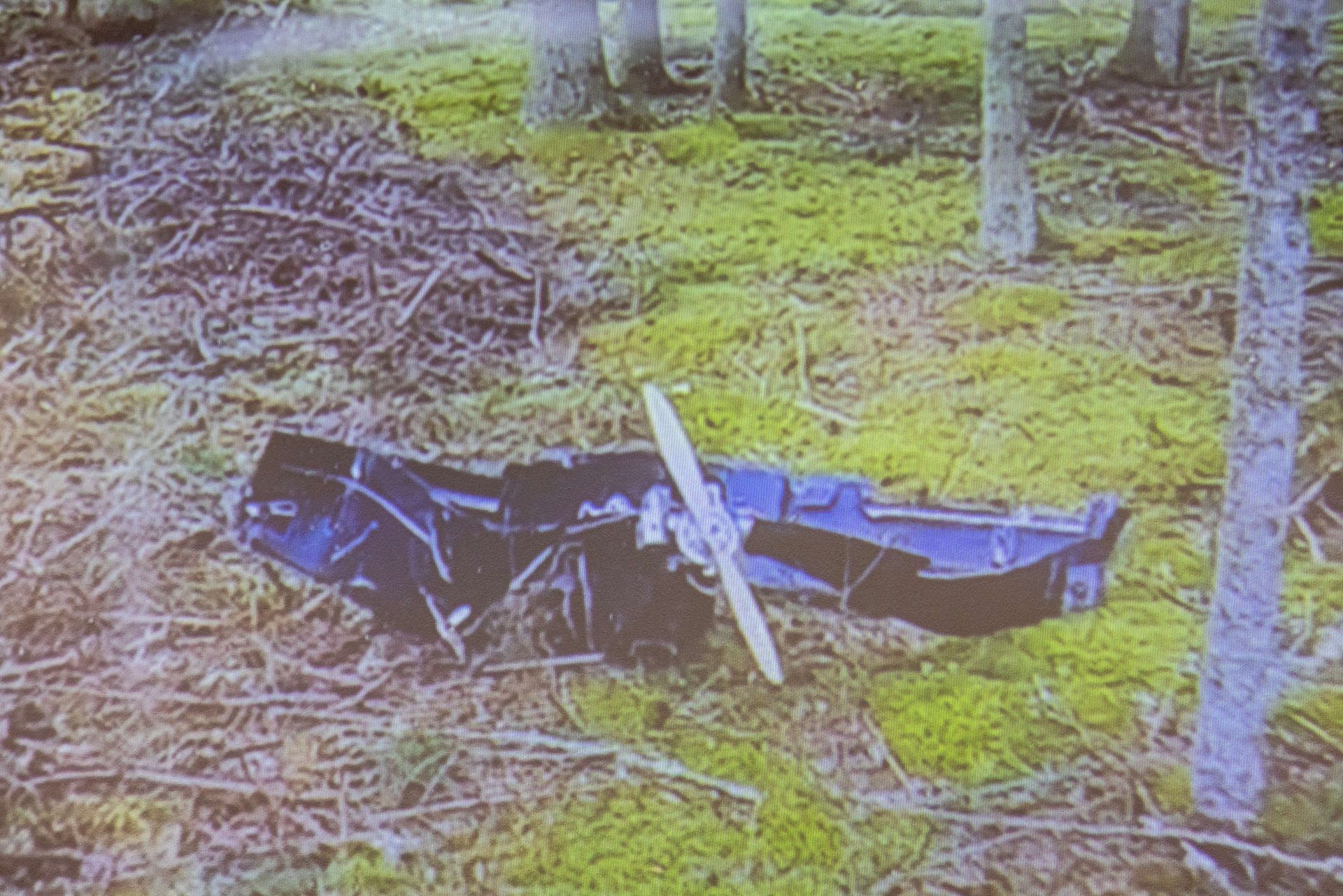
Several drones crashed in southeastern Finland on Mar 29; one UAV was confirmed Ukrainian and others are believed to be downed Ukrainian drones, with Kouvola ~50 km from the Russian border. Ukraine says its drones were not heading to Finland, blames likely Russian electronic warfare and has apologized; Finland characterizes the incident as not constituting a military threat while investigations continue. Separately, Ukraine struck Russian energy infrastructure (Ust-Luga oil/gas terminal and the Kinef refinery in Leningrad Oblast) in the same period, which could modestly lift regional energy risk premia and support defense-related equities in the near term.
The immediate market implication is a step-change in demand for electronic-warfare resilience and counter-UAV systems because operational interference has externalities beyond the kinetic target set; buyers will prioritize hardened command-and-control, GNSS-denied navigation, and RF-identification suites. Procurement cycles for air policing and homeland defense are relatively short (tenders and contracts within 3–12 months), so expect meaningful revenue visibility for select suppliers within the next two quarters.
A second-order supply effect will show up in Northern European energy and logistics: even a modest, transient re‑pricing of risk at small Baltic terminals reroutes refined product and bunker flows to larger hubs, raising short-term freight and product spreads for 2–8 weeks while inventory is reshuffled. That trade window amplifies volatility in spot diesel/gasoil and bunker markets and creates arbitrage opportunities between physical hubs and paper markets.
Policy and insurance dynamics matter as much as hardware: insurers will reclassify tail risk in the region, lifting premiums for port/terminal/shortsea exposures and accelerating demand for private risk-transfer solutions. On a multi-year horizon, sustained perceptions of EW-enabled collateral incidents push NATO/partner countries to increase air defense and EW budgets — a predictable, multi-year revenue tail for prime contractors and specialized subsystem vendors.
Catalysts that would reverse these effects are limited: rapid, verifiable attribution to non-adversarial technical failure or a quick, binding regional deconfliction mechanism would sharply compress both defense procurement urgency and insurance spreads. Conversely, a repeat episode or confirmed attribution to state EW would ratchet up budgets and premiums further, making the current environment asymmetric in favor of preparedness suppliers.
AI-powered research, real-time alerts, and portfolio analytics for institutional investors.
Request DemoOverall Sentiment
neutral
Sentiment Score
0.00
