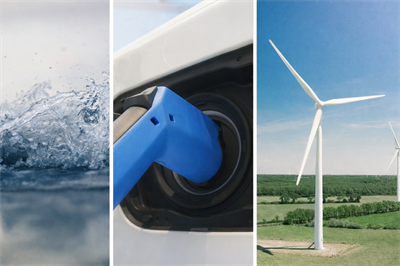
A Chalmers University life-cycle study published in iScience finds that replacing diesel with hydrogen for heavy-duty trucks can substantially reduce CO2 emissions, but climate benefits depend strongly on production and logistics choices. Locally produced green hydrogen (electrolysis using renewable power) and on-site refuelling production minimize emissions and energy losses, whereas blue hydrogen (natural gas with CCS) can be worse due to incomplete CO2 capture and methane leaks; biomethane has limited volume and may be more efficiently used directly as fuel. The findings imply policy and capex implications for electrolyser deployment, refuelling infrastructure, CCS projects, and demand for scarce catalyst metals (iridium/platinum), while reinforcing energy-self-sufficiency arguments amid geopolitical risks.
Market structure: Local green hydrogen winners are electrolyzer manufacturers (scaling demand for PEM electrolyzers), onsite compression/liquefaction equipment vendors, and renewable IPPs that can co-locate capacity; losers include long-haul hydrogen shipping/liquid-H2 logistics, some LNG/blue-hydrogen projects and diesel refiners as heavy-duty fuel demand falls. Distributed production shifts pricing power to capex equipment and electrolyzer OEMs, compressing margins for centralized producers and transporters; expect 2–5x revenue growth for top electrolyzer suppliers by 2026 under a 5–10% penetration of heavy-duty fleets.
Risk assessment: Tail risks include policy support pivoting to blue hydrogen (stranding green assets), fast discovery of methane leakage that triggers bans, and supply constraints for iridium/platinum that inflate electrolyzer/fuel-cell costs by >30%. Immediate effect: limited market pricing; short-term (3–12 months): volatility around subsidy announcements and OEM offtakes; long-term (3–10 years): structural demand driven by fleet conversions and renewable buildout. Hidden dependencies: grid capacity, permitting timelines, water availability, and competing demand for biomethane.
Trade implications: Direct plays—establish catalytic exposure to electrolyzer OEMs and service providers and renewable developers while trimming refiners/LNG midstream. Use LEAP calls to capture policy-driven rallies and buy protective puts on LNG/refiners to hedge. Pair trades (long electrolyzer OEMs, short Cheniere/LNG midstream) and rotate portfolio weight from oil & gas to renewable infrastructure and industrials over 6–18 months around subsidy windows.
Contrarian angles: Consensus underestimates material constraints (iridium/platinum) and grid bottlenecks that could cap roll-out pace; decentralization also reduces scale economies, favoring O&M/service business models over pure-play manufacturers. Historical parallel: biofuel mandate cycles show policy can swing quickly; unintended consequence—rapid green-H2 build could spike power prices, delaying adoption and creating a 12–36 month retracement opportunity for overlevered H2 names.
AI-powered research, real-time alerts, and portfolio analytics for institutional investors.
Request DemoOverall Sentiment
mildly positive
Sentiment Score
0.25
