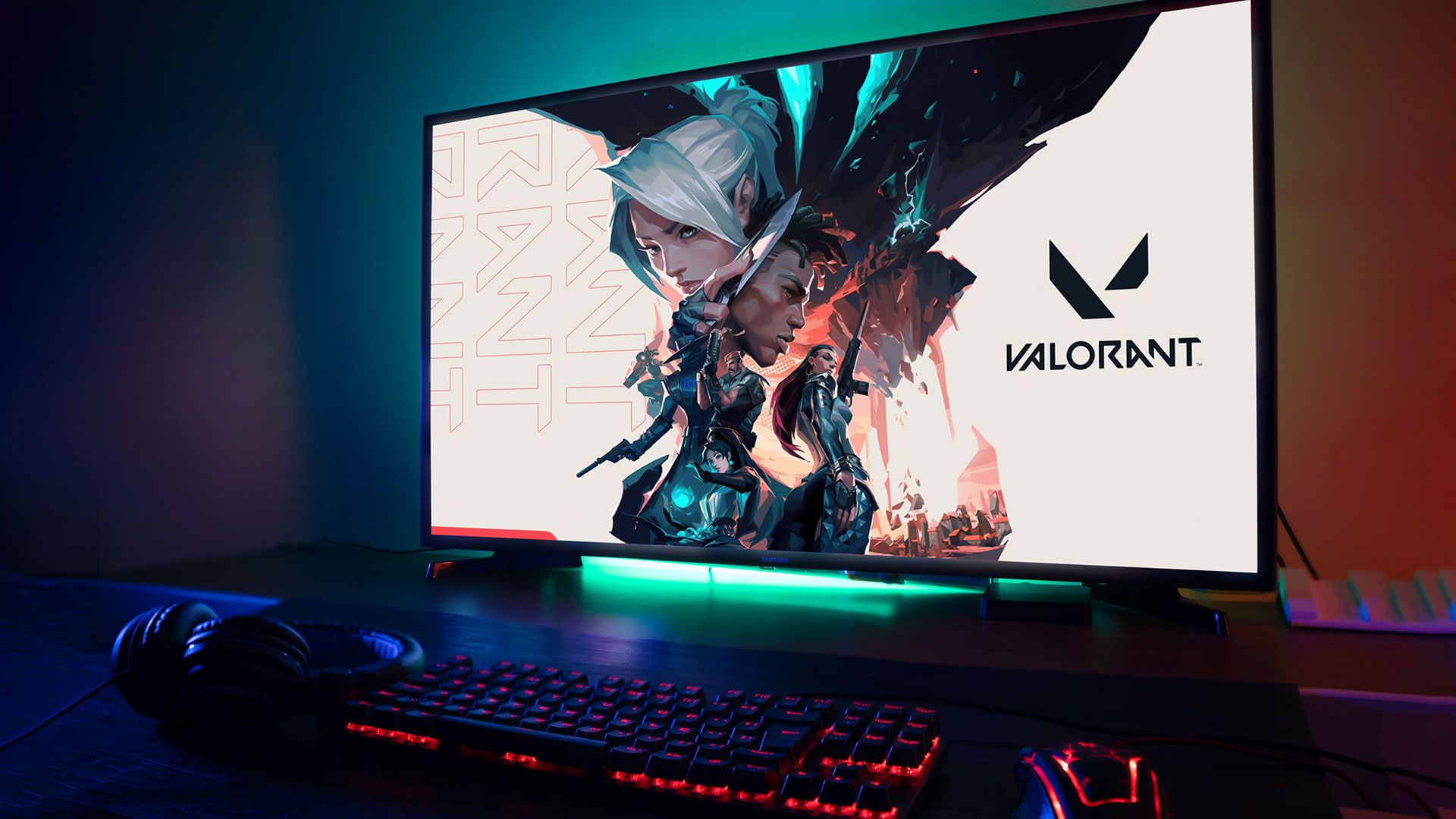
Riot Games discovered a pre-boot IOMMU initialization flaw in certain Asus, Gigabyte, MSI and ASRock motherboards that can allow DMA devices to bypass anti-cheat protections and enable undetectable cheating in competitive titles like Valorant. Hardware vendors validated the finding and pushed BIOS updates; Riot will block players who do not update firmware and advises enabling Secure Boot, VBS and IOMMU. The development creates reputational and support risk for affected motherboard makers and may spur short-term demand for firmware updates and customer service, but is unlikely to materially affect near-term revenues.
Market structure: Motherboard vendors (ASUUY/2357.T for ASUS, 2377.T for MSI, GIB.AX/Gigabyte OTC) face reputational and support-cost pressure; anti-cheat and endpoint-security vendors (CRWD, PANW, S) gain credibility and potential incremental spend as game devs force hardware-level verification. Console/platform incumbents (MSFT, EA, ATVI) benefit from higher integrity in competitive titles, limiting churn from blatant hardware cheats. Overall revenue shifts are small (single-digit % of PC hardware revenue) but margins hit via warranty/support and firmware QA headcount over next 1–2 quarters.
Risk assessment: Tail risks include major bricking events leading to class-action suits or regulatory scrutiny (consumer protection fines >$50m for a top-tier vendor) and an exploit resurfacing after a bad patch causing mass VAC-style bans. Immediate risk (days) is player friction and PR; short-term (weeks–months) is increased support costs and firmware recall risk; long-term (quarters) is structural premium on secure firmware ecosystems. Hidden dependencies: OEMs, BIOS vendors, and chipset suppliers must coordinate — a supply-chain firmware rollback could create cascading refresh/replacement orders.
Trade implications: Favor cybersecurity and OS-security exposures (CRWD, PANW, MSFT) for 3–12 month appreciation; expect options vol on these names to reprice +10–25% around earnings/security advisories. Avoid hardware-commodity plays; consider selective short/underweight on retail/DIY hardware players (BBY, GME) if support costs materialize. Watch adoption metrics: if <60% BIOS update uptake in 30 days, downside for motherboard OEMs accelerates.
Contrarian angles: Consensus will over-rotate to “cybersecurity winners” but underprice the near-term service-cost hit to mid-cap hardware OEMs and retailers; implied-vol spikes may be temporary — don’t chase near-term pop. Historical parallel: 2018 Spectre/Meltdown firmware cycle produced 5–15% stock shakeouts in OEMs but durable gains for endpoint security over 6–12 months; similar pattern likely here with asymmetric upside in security names and limited long-term damage to OEM revenues unless bricking events exceed ~5% of installed base.
AI-powered research, real-time alerts, and portfolio analytics for institutional investors.
Request DemoOverall Sentiment
mildly negative
Sentiment Score
-0.25
