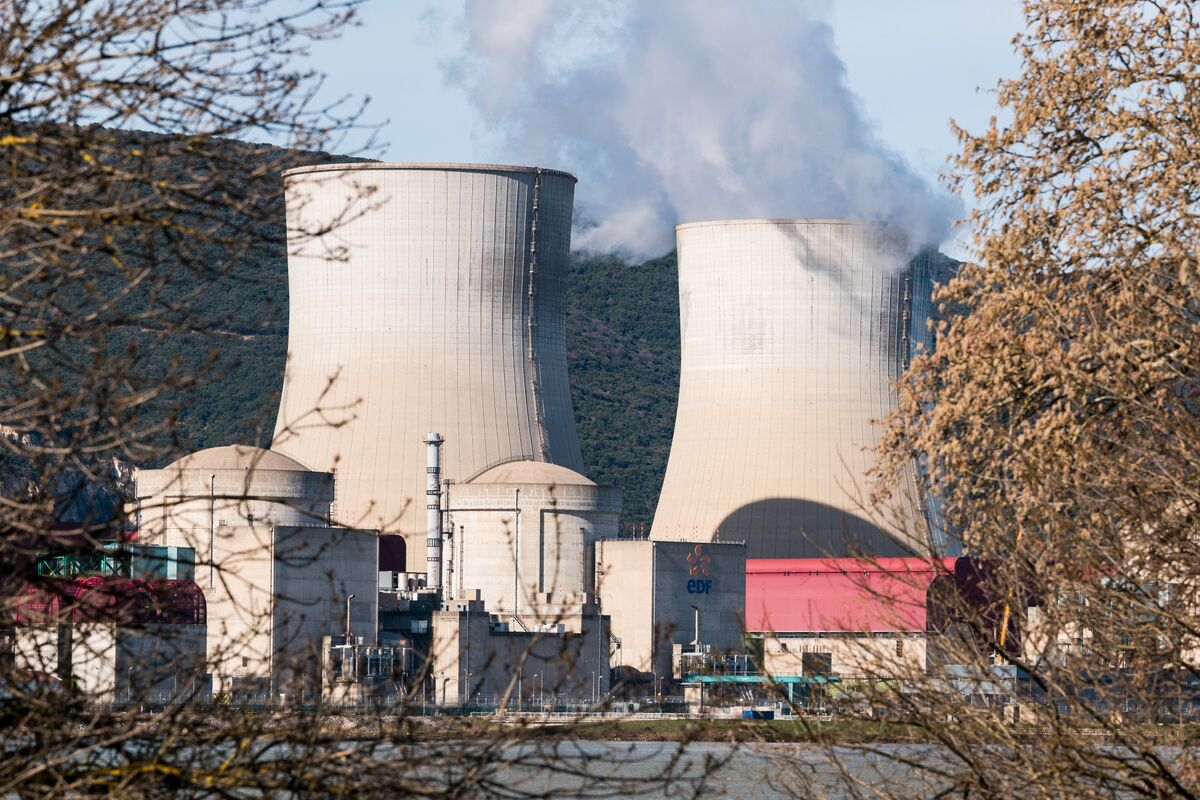
French nuclear generation is on track for its highest March output since 2019, and French reactors have nearly doubled power exports versus last year, according to RTE. The increased nuclear output is helping to stabilize European power prices amid the energy shock from the Middle East war, reducing upward pressure on regional electricity markets.
If French baseload supply runs 5–10 GW above seasonal norms into spring and summer, the marginal fuel mix in northwest Europe shifts decisively away from gas for large blocks of hours. Mechanically that should compress baseload spreads by roughly €8–12/MWh versus a scenario where gas remains on the margin, with immediate knock-on effects on spark spreads and merchant gas plant EBITDA (order of hundreds of millions EUR across large operators over 12 months).
Lower marginal gas burn will also reduce short-term demand for spot LNG and pipeline flex volumes, creating a softening pressure on TTF and spot LNG prices that typically emerges over 1–6 months as inventory cycles and cargo re-routing play out. That dynamic creates a negative feedback into EU carbon demand: fewer hours of gas-on-the-margin reduces EUA consumption from power switching and can exert 10–25% downside pressure on near-term carbon prices if sustained.
Second-order winners include energy-intensive European industrials (aluminum, chemicals) and battery/large-scale storage owners that can arbitrage low-midday prices into evening peaks, though persistent low prices can delay merchant renewables’ FID. Key risks that would reverse this chain are unplanned nuclear outages in France, a material escalation in Middle East logistics pushing global LNG/TTF spikes, or a cold snap that quickly draws down storage — each can re-price gas into the marginal role within days to weeks.
AI-powered research, real-time alerts, and portfolio analytics for institutional investors.
Request DemoOverall Sentiment
mildly positive
Sentiment Score
0.30
