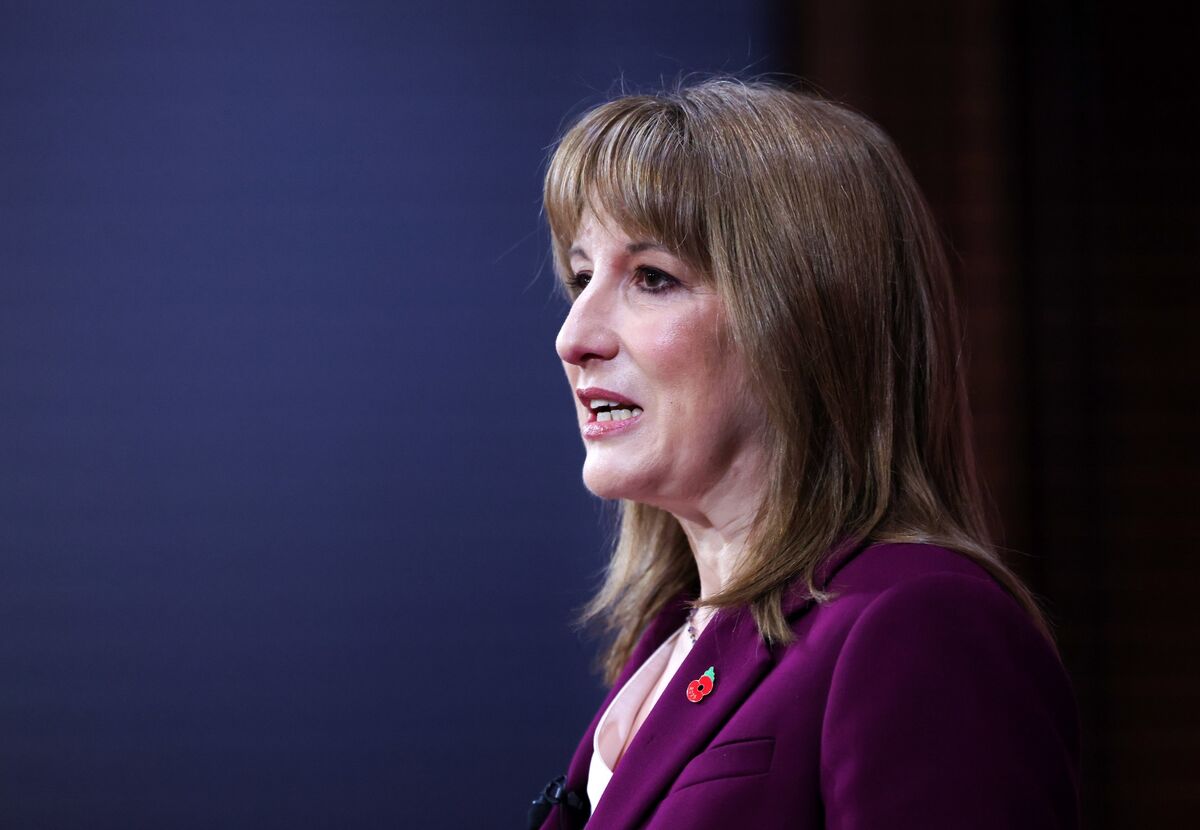
UK Chancellor of the Exchequer Rachel Reeves has reportedly dropped plans to raise income taxes, a reversal attributed to an improved fiscal forecast from the UK's budget watchdog. This development is said to reduce the projected fiscal hole from an estimated £35 billion to approximately £20 billion, despite her prior indications of a willingness to increase taxes ahead of the upcoming budget announcement.
Chancellor Rachel Reeves has reportedly reversed plans to increase income taxes, a decision stemming from an improved fiscal forecast provided by the UK's budget watchdog. This unexpected U-turn suggests a more favorable economic outlook than previously anticipated, allowing for a shift in fiscal strategy ahead of the upcoming budget announcement.
The revised forecast has significantly narrowed the projected fiscal deficit, reducing the estimated 'fiscal hole' from £35 billion to approximately £20 billion. This substantial improvement alleviates immediate pressure for revenue-generating measures, directly impacting the government's fiscal flexibility.
This policy reversal, despite Reeves' earlier indications of a willingness to break a party promise on tax increases, carries significant political implications. The moderately positive sentiment (0.6) and optimistic tone surrounding this development suggest potential relief for consumers and businesses, though the remaining £20 billion deficit still requires attention and will likely shape other budget decisions.
AI-powered research, real-time alerts, and portfolio analytics for institutional investors.
Request DemoOverall Sentiment
moderately positive
Sentiment Score
0.60
