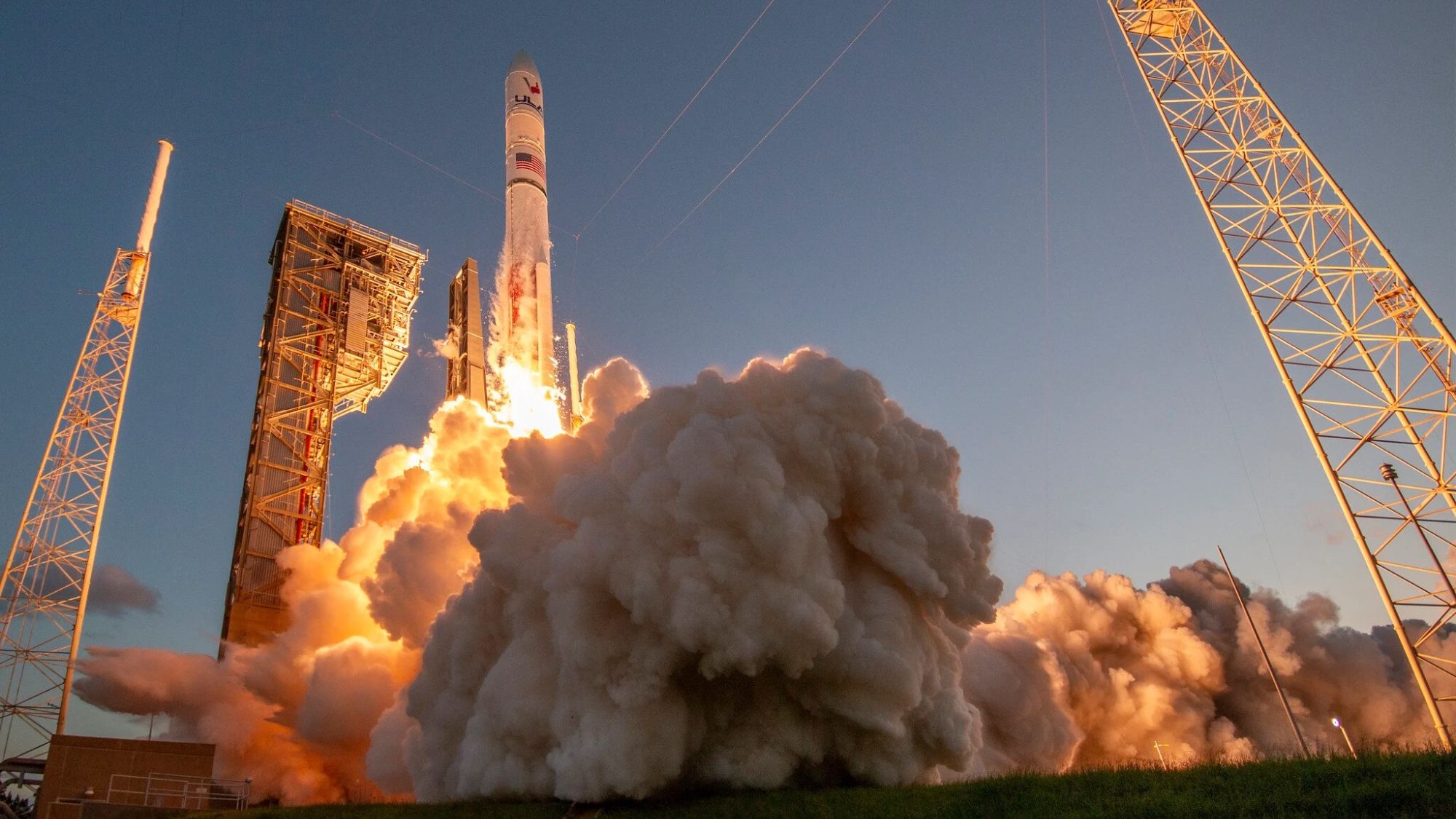
United Launch Alliance's Vulcan Centaur is scheduled to launch the USSF-87 mission from Cape Canaveral on Feb. 12, carrying two Geosynchronous Space Situational Awareness Program (GSSAP) satellites built by Northrop Grumman to GEO and additional R&D payloads. The flight will use the VC4S (four-SRB) variant and represents Vulcan's fourth flight and its certification for national security launches, leaving two U.S. providers (ULA and SpaceX) certified for military and intelligence payloads and supporting ULA's pipeline of more than two dozen national security missions.
Market Structure: This launch crystallizes two structural themes — sustained demand for GEO situational awareness (GSSAP-class) and increasing competition in national-security launch supply as ULA’s Vulcan is now a certified alternative to SpaceX. Direct winners: Northrop Grumman (NOC) as satellite builder and ULA (launch services/pricing leverage); losers: small commercial launchers and any single‑provider pricing power held by incumbents. Expect modest downward pressure on national‑security launch prices over 12–36 months as capacity expands, while government budgets keep demand relatively inelastic.
Risk Assessment: Tail risks include a high‑visibility launch failure (5–15% industry implied probability), a DoD budget cut or reprioritization (~10%+ program revenue risk for niche suppliers), or export/regulatory constraints that restrict GEO ops. Immediate effect (days): headline volatility around the launch; short term (weeks–months): contract awards and backlog updates; long term (1–3 years): margin mix shift as ULA captures share and scale economics normalize. Hidden dependency: launch certification/licensing cadence and SRB/engine supply chains (single‑source bottlenecks) can create abrupt capacity shocks.
Trade Implications: Tactical long: NOC is the highest‑conviction public direct play — estimate a 12‑month upside target +15–25% if follow‑on GSSAP work or sustainment contracts flow; size 2–3% portfolio. Pair trade: long NOC vs short LMT (Lockheed Martin) or reduce LMT relative exposure by 1–2% if you believe NOC captures more GEO ISR aftermarket revenue. Options: consider a 9–12 month NOC call spread (buy 1x 10–12% OTM, sell 1x 25% OTM) to cap cost while capturing upside on contract news within 3–9 months.
Contrarian Angles: Consensus underestimates the time it takes for new launch supply to depress pricing; over the next 12 months price competition will be constrained by certification friction and SRB lead times, so margins for ULA/NOC could remain firmer than expected. Conversely, the market may be overexcited about Vulcan’s national‑security wins — a major anomaly or sustained undercutting by SpaceX (price cuts >20%) would reverse gains quickly. Historical parallel: post‑Falcon reusability era showed initial margin expansion for incumbents before rapid price compression — monitor contract backlog growth and SRB delivery rates as early warnings.
AI-powered research, real-time alerts, and portfolio analytics for institutional investors.
Request DemoOverall Sentiment
neutral
Sentiment Score
0.05
Ticker Sentiment
